
Last updated November 25, 2026
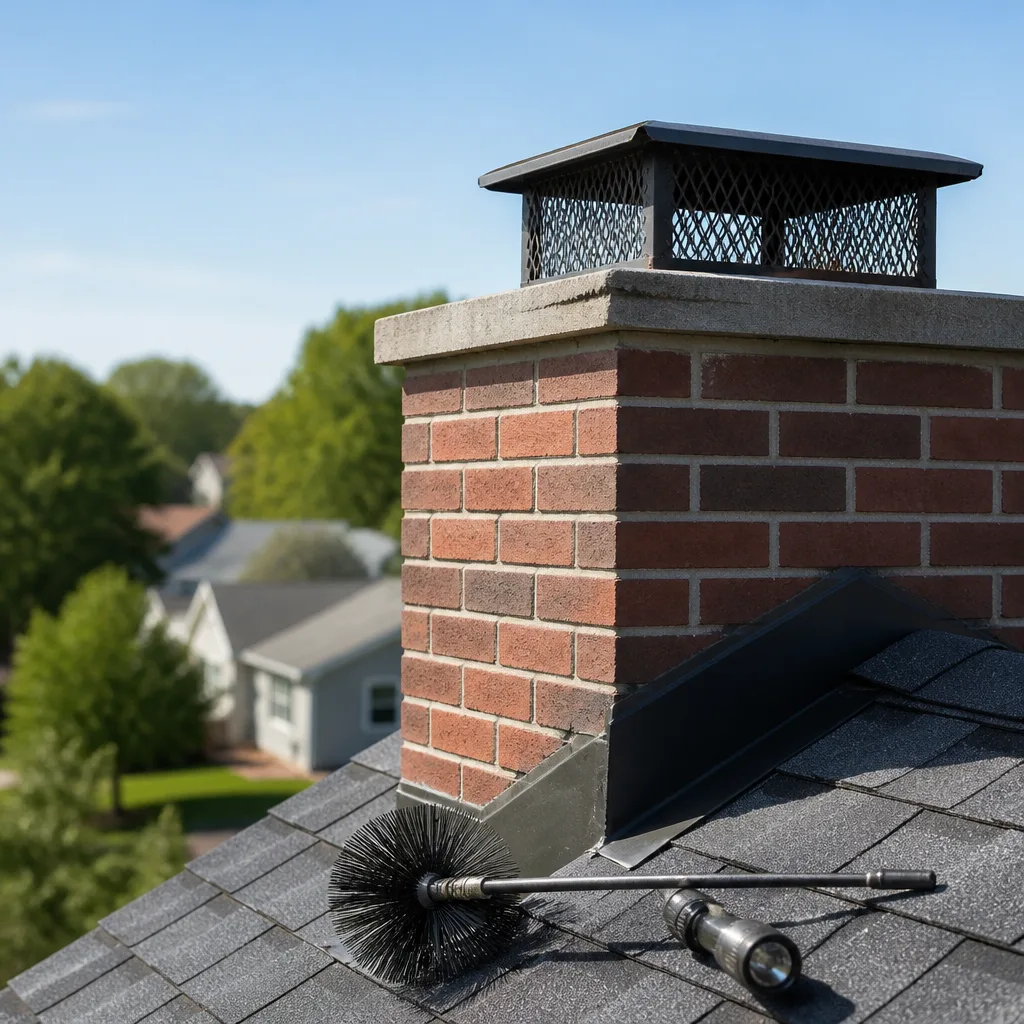 Sweep & inspection
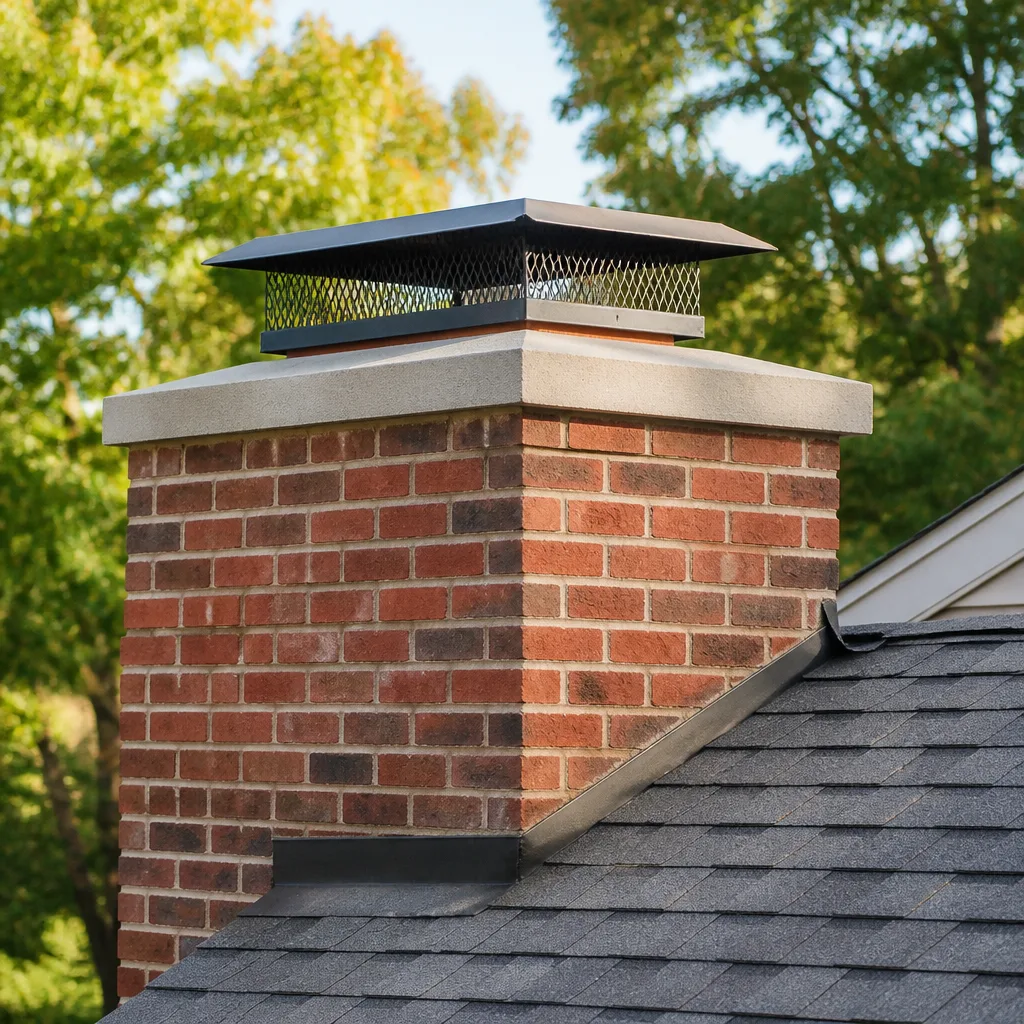 Caps & crowns
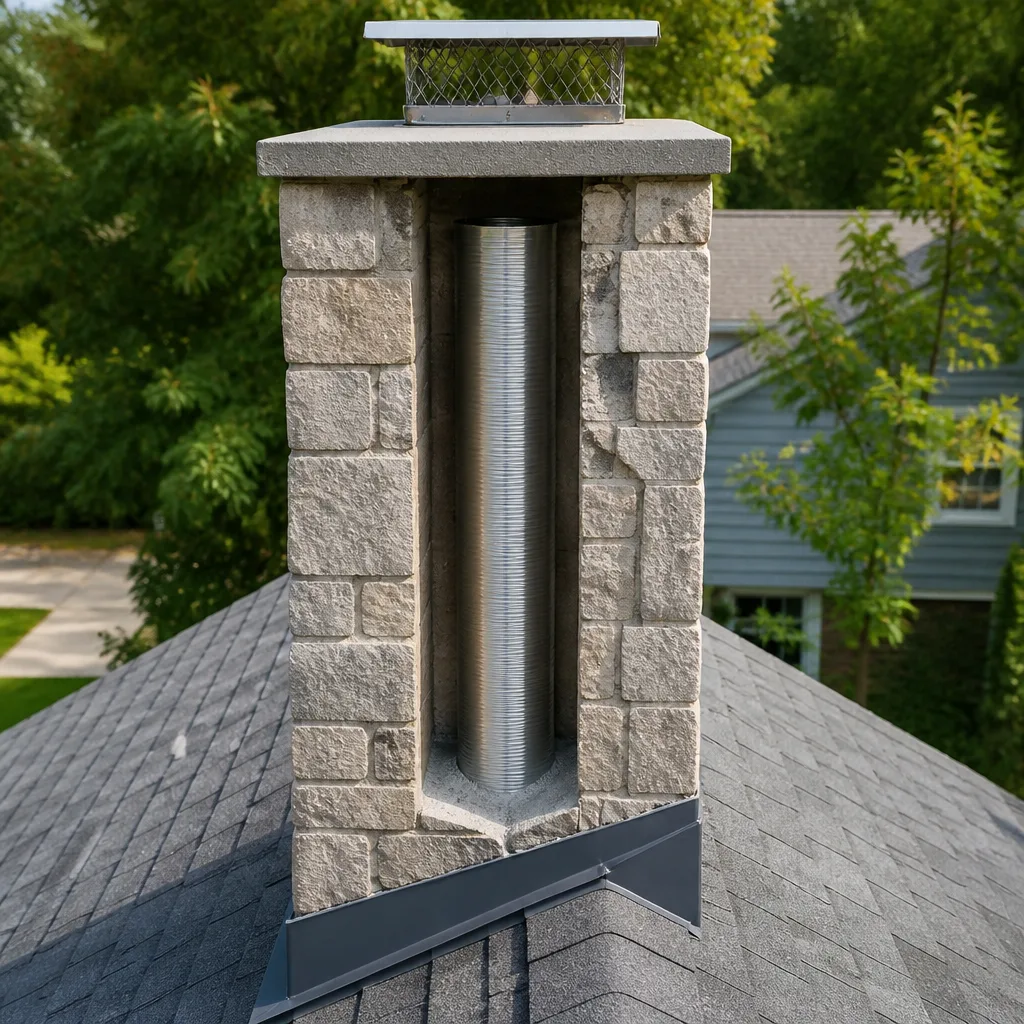 Flue relining
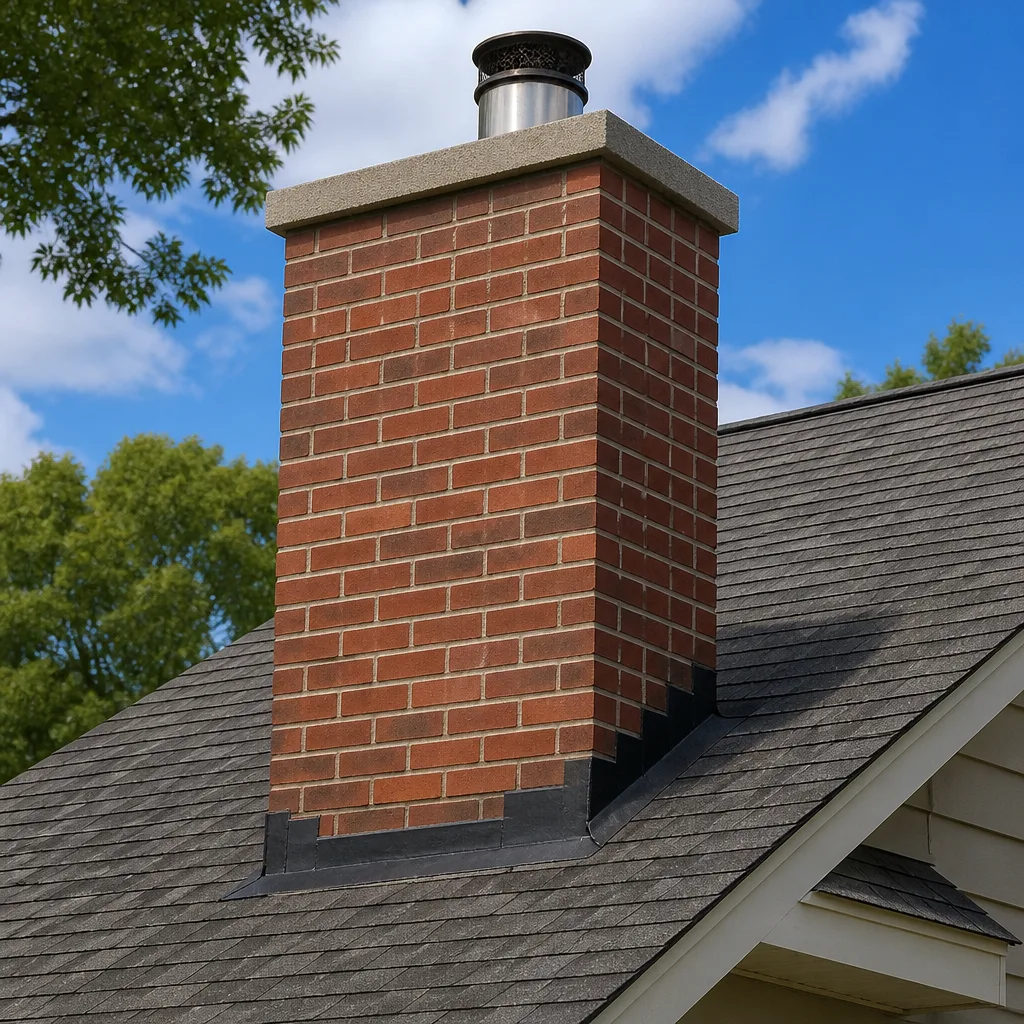 Masonry repair
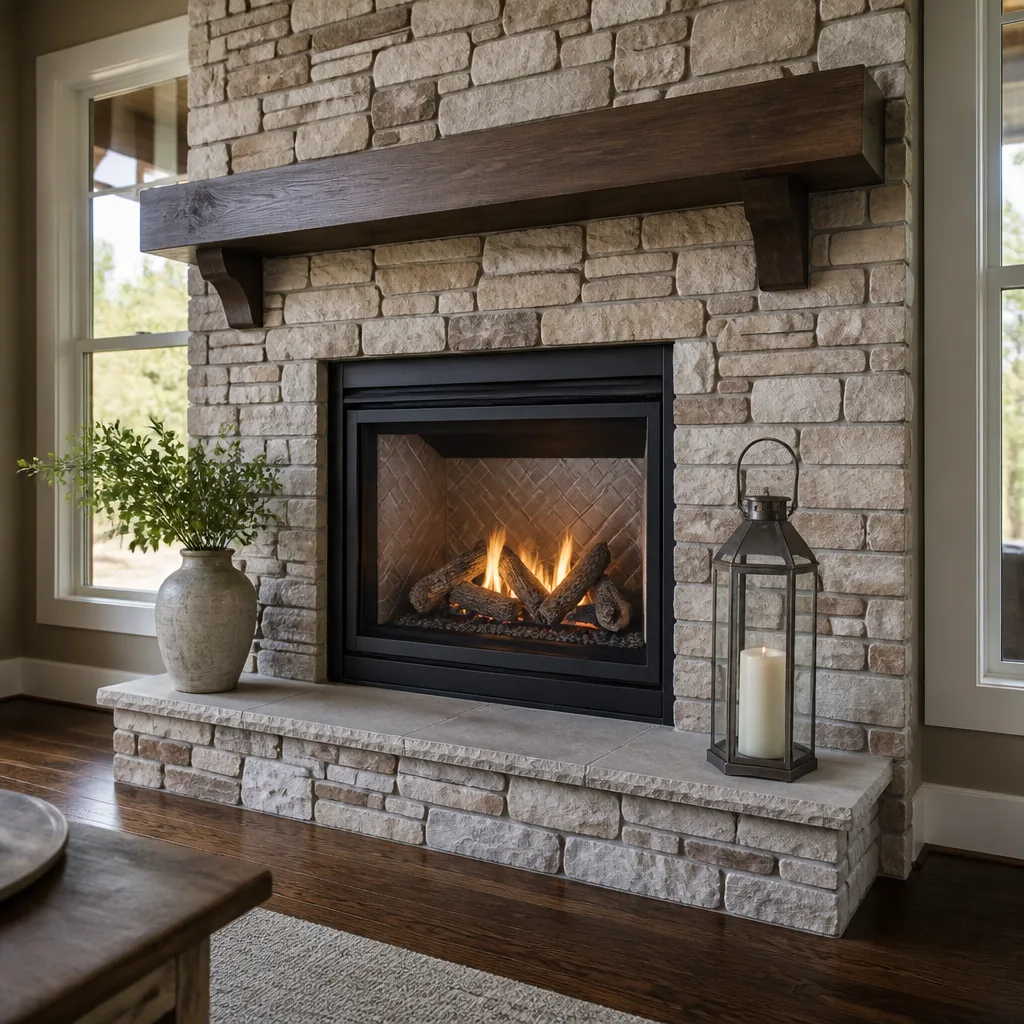 Gas fireplace service
Level 1 sweep and inspection to the NFPA 211 annual standard - flue, crown, cap, and flashing checked and photographed
Chimney sweep logs do not sweep chimneys. They loosen some creosote - which then falls where a brush and vacuum still have to collect it.
Chimney Cleaning Warning Signs: A Salt Lake City Homeowner’s Reference Guide
A white stain running down your chimney exterior isn’t a cosmetic problem. It’s efflorescence, and it means water is already moving through your masonry in a way that will crack it from the inside on the next freeze cycle. Most warning-sign guides hand you a list of symptoms and tell you to call someone. That’s not much help when you’re standing in your yard trying to figure out whether the stain you’re looking at is serious or just weather. This reference works differently. It maps each visible or behavioral sign back to the specific part of the chimney system that’s failing, so you understand what you’re actually looking at and can describe it accurately when you call. The freeze-thaw patterns here in Salt Lake City make some of these signs appear faster than generic guides expect.
Quick Answer
The warning signs that matter most are the ones tied to a specific system failure: white staining (water in the masonry), crumbling mortar joints (freeze-thaw damage), a smoky fireback (draft or blockage), and strong odors when the fireplace is off (creosote or animal intrusion). Signs like immediate smoke rollout, a collapsed flue, or soot falling into the firebox mean stop using the fireplace now and schedule an inspection. Signs like a worn cap, a hairline crown crack, or minor staining mean schedule an inspection before the season starts. Salt Lake City Chimney Sweep performs inspections as a standalone service so you get an honest baseline before any work is recommended.
Styles & brands we work with
- Sweep & inspection
- Caps & crowns
- Flue relining
- Masonry repair
- Gas fireplace service
Table of Contents
- Why Warning Signs Are Usually Invisible Until They’re Expensive
- Exterior Warning Signs and What Each One Means
- Performance Warning Signs: Smoke, Draft, and Fireback Problems
- Odor Diagnostics: What Chimney Smells Are Telling You
- Structural Warning Signs and the Salt Lake City Freeze-Thaw Factor
- Stop-Use Now Versus Schedule-This-Season
- The Cause-Mapped Symptom Index
- Common Mistakes to Avoid
- When to Call a Professional
- Frequently Asked Questions
Why Warning Signs Are Usually Invisible Until They’re Expensive
Chimneys fail from the inside out. The flue is the part that carries smoke, heat, and moisture up and out, and it’s the part you can’t see from the ground or from your living room. By the time a problem shows up on the exterior, the moisture that caused it has usually been working through the masonry for at least one full season. That’s why we tell homeowners to read the outside of a chimney as a report card on what’s been happening inside it.
There are three places damage originates, and each one shows up differently on the outside:
- The flue liner. A cracked or deteriorating liner lets moisture and corrosive combustion byproducts reach the masonry. This shows up as staining and spalling on the exterior.
- The crown and cap. These are the chimney’s roof. When either fails, water enters from the top and travels down through the masonry, damaging mortar joints and the firebox.
- The masonry itself. Brick and mortar absorb water. Freeze-thaw cycling expands that water and cracks the brick or mortar from inside.
In our experience, the homeowner who calls because of a stain on the exterior is usually calling about a problem that started two or three seasons earlier at the crown. That’s not a scare tactic; it’s how the physics work. Water enters at the top, works down, and the first visible sign appears low. Getting a baseline inspection before you see a stain is the cheapest way to catch a problem early. We use professional-grade materials from brands like HeatShield and DuraFlex when repair is needed, but the inspection comes first, always.
Exterior Warning Signs and What Each One Means
Every exterior sign on a chimney points to a specific part of the system. Here’s how to read each one and what it tells a technician before they get on the roof.
White Staining (Efflorescence)
A white, chalky deposit running down the exterior masonry is efflorescence. It’s salt that water carried through the brick and left behind when it evaporated. Efflorescence itself is harmless, but it’s the visible evidence that water is moving through the masonry. That water is what cracks brick during the next freeze. The source is almost always a failed crown, a missing or damaged cap, or deteriorated mortar joints letting rain in.
Rust Stains or Brown Streaks
Rust or brown streaks point to a rusting metal component: a damper, a cap, or a chase cover. Metal that’s rusting has been wet, and if a chase cover has rusted through, water is entering the flue system directly. This is one of the more urgent exterior signs because the failure compounds quickly.
Crumbling or Missing Mortar Joints
When mortar joints recede or crumble, the brick above them loses support. This is the most common structural warning sign in Salt Lake City because of the local freeze-thaw cycle. Recessed joints that catch a fingernail or a coin edge are the early stage. Missing joints and loose brick are the late stage.
Spalling Brick Faces
Spalling is brick that’s flaking or popping off in layers at the face. It happens when water inside the brick freezes and expands. Once a brick face spalls, that brick has lost part of its weather resistance and needs repointing or replacement. Multiple spalled bricks on one face usually mean the crown above isn’t shedding water properly.
Green or Dark Staining Near the Cap
Dark staining near the cap on a gas-appliance chimney often points to condensation or to a draft problem drawing exhaust down. On a wood chimney, dark staining at the top usually means the cap is missing or damaged and creosote-bearing smoke is depositing on the masonry before it clears.
A Missing or Damaged Cap
No cap means rain goes straight down the flue, animals can enter and nest, and sparks can land on the roof. A damaged cap is the most common cause of water intrusion we see on Salt Lake City chimney inspections. Installing a proper chimney cap & crown is often the single highest-value repair a homeowner can make.
Performance Warning Signs: Smoke, Draft, and Fireback Problems
Performance signs are the ones you experience while the fireplace is in use. They point to airflow and draft problems, not to structural failure, and the response is different. Structural signs mean “get on the roof.” Performance signs mean “investigate the flue and the burn.”
Smoke Rolling Into the Room
Some smoke at startup is normal while the flue warms. Persistent smoke rolling into the room once the fire is established means the chimney isn’t drafting properly. The causes, roughly in order of frequency: a blocked flue (creosote, a bird nest, a collapsed liner), a flue that’s too short for the firebox opening, negative pressure in the house from a modern tighter home or a competing exhaust fan, or a fire that’s too large for the flue’s size.
Smoky Smell Even When the Fire Is Out
A fireplace that smells smoky when it’s cold is pulling air backward down the flue. Cold air is denser than warm air, and until the flue warms, the house can draw air down instead of up. This is a draft reversal, and it often shows up on cold mornings in Salt Lake City. Persistent draft reversal points to a missing or too-short flue, a flue that’s oversized for the firebox, or a house that’s sealed too tight for the chimney to breathe.
A Fire That Won’t Stay Lit or Burns Poorly
A fire that struggles to stay lit, smolders, or burns with a lazy orange flame is starved of air or being cooled by a draft problem. Wet wood is the most common cause, followed by a flue that’s blocked or too large. A fire that smolders is also a creosote factory, so this sign has a compounding effect.
Soot Falling Into the Firebox
Soot falling into the firebox during a burn or when the damper is opened points to loose deposits in the flue that have reached the point of detaching. This is a warning sign that the flue needs sweeping soon and should be inspected to rule out a liner problem.
Excessive Creosote in the Firebox or Flue
Creosote buildup comes in stages, and the stage determines the fix. Light, flaky, easily brushed creosote is the early stage. Glossy, hardened creosote is the middle stage and requires more aggressive sweeping. Puffy, crusted creosote is the stage that ignites easily and is the reason chimney fires happen. If you can see heavy creosote in the flue from the firebox with a flashlight, schedule a chimney sweep now.
Odor Diagnostics: What Chimney Smells Are Telling You
Smell is the diagnostic tool most homeowners already have, and it’s more informative than most people realize. Different chimney odors point to different root causes. Here’s how to read them.
A Sharp, Pungent, Tar-Like Smell
This is a creosote smell, and the sharper and stronger it gets, the more advanced the creosote stage. Light creosote smells faintly smoky. Heavier creosote smells sharp and acrid when the fireplace is off, especially on warm days when the house is drawing less air up the flue. If the smell is strong enough to notice on a warm day, the flue is likely due for a sweep.
A Musty or Earthy Smell
Musty or damp smells point to water in the chimney system or to an animal nest. Water in the masonry or at the smoke shelf produces a damp, earthy smell that gets worse in wet weather. If you smell it with no fire lit and after a rain, look for the exterior water signs in the section above.
An Animal or Decaying Smell
A strong animal smell, especially with scratching or fluttering sounds in the flue, means a bird, squirrel, or raccoon has gotten in. Birds are the most common in Salt Lake City because a missing or undersized cap leaves an open flue mouth. Get the animal out and the flue cleaned, then get a proper cap installed. Never light a fire with an animal in the flue.
A Sulfur or Chemical Smell
Sulfur or chemical smells near a gas fireplace point to a gas appliance issue. Stop using the appliance, open windows, and call a licensed gas professional. A chimney technician can inspect the venting, but any gas leak itself is a gas-professional call.
A Cold-Draft or Backdraft Smell
The smell of last season’s smoke coming back into the room when the fireplace is off is draft reversal. It’s common in tighter modern homes where an exhaust fan (kitchen or bath) pulls air down the flue. The fix involves improving draft, not just cleaning. This is one of the reasons an inspection is worth doing before a sweep.
Structural Warning Signs and the Salt Lake City Freeze-Thaw Factor
Salt Lake City chimneys sit above 4,000 feet, and the local climate adds a warning sign that generic guides underestimate: freeze-thaw cycling. When water gets into brick or mortar and the temperature drops below freezing overnight, the water expands and cracks the masonry. When it thaws, more water enters. A warm afternoon followed by a hard overnight freeze accelerates this cycle, and it’s why the mortar joints on older chimneys here can deteriorate faster than the same chimney would at a lower elevation.
Why the Freeze-Thaw Cycle Matters Here
The damage pattern we see most often in Salt Lake City is concentrated at the top of the chimney, near the crown, and in the mortar joints the sun hits during the day. That’s the zone that gets the most freeze-thaw action. A crown with a hairline crack lets water in, the water migrates down into the top course of brick, and the next overnight freeze cracks the mortar. Over a few seasons, you get recessed joints and spalling brick faces. The fix is to repair the crown first, then repoint the joints, not the other way around.
Visible Structural Warning Signs
- Mortar joints that have receded an eighth of an inch or more
- Brick faces flaking or popping off in layers (spalling)
- A chimney that leans or has visibly shifted from plumb
- A crown with cracks wider than a hairline
- A firebox with cracked or crumbling firebrick
- A damper that won’t open or close smoothly
- Loose brick at the top of the chimney
What a Structural Warning Sign Means
Structural warning signs are about stopping water and restoring strength. In our experience, most of the structural damage we see on Salt Lake City chimneys could have been prevented by keeping the crown and cap in good condition. The crown sheds the water, the cap keeps it out of the flue, and both together keep the masonry dry. Repairs often involve repointing mortar, rebuilding the crown, and, when the flue itself is deteriorating, restoring the liner. HeatShield is one professional-grade option for resurfacing a deteriorating flue without full replacement when the liner is still structurally sound underneath.
Why Repointing and Rebuilding Differ
Repointing replaces the mortar in the joints without removing the brick. It’s the right repair for mortar joints that have deteriorated but where the brick itself is still sound. Rebuilding a section of chimney means removing and replacing brick and is needed when brick faces have spalled or the top courses have loosened. The right choice depends on what the inspection finds, and the inspection is the only way to know.
Stop-Use Now Versus Schedule-This-Season
The hardest call for a homeowner is whether to stop using the fireplace today or wait for an inspection. The distinction matters because some signs get much worse (or dangerous) if you keep burning, and others can safely wait a few weeks for an inspection slot. Here’s how to sort them.
Stop Using the Fireplace Now
These signs mean the fireplace is not safe to use until it’s inspected and cleared.
- Heavy smoke rolling into the room with an established fire. The flue isn’t exhausting smoke, and carbon monoxide can back up into the house.
- Any sign of a chimney fire in the past. A loud roaring sound, a shaking chimney, a hot chimney exterior, or soot and creosote fragments on the roof all point to a fire in the flue, even if you didn’t see flames.
- Visible heavy creosote in the flue. Puffy, crusted creosote ignites at temperatures a normal fire reaches.
- Loose or fallen brick inside the firebox or flue. This points to structural failure and a hazard if the fireplace stays in use.
- A strong animal or decaying smell with sounds in the flue. A blocked or partially blocked flue won’t vent.
- A cracked or crumbling firebox liner. The firebox is the containment boundary; a cracked liner lets heat reach the surrounding structure.
- A gas smell near a gas fireplace. Stop using it, ventilate, and call a gas professional.
Schedule an Inspection This Season
These signs are serious enough to inspect but don’t require you to stop using the fireplace immediately. Get on the schedule before the burning season starts.
- White efflorescence staining on the exterior. Water is moving through the masonry, but it isn’t a fire hazard today.
- Recessed mortar joints or early spalling. This is a masonry repair, and it gets more expensive the longer it waits through freeze-thaw cycles.
- A missing or damaged cap. Get it fixed before the next rain or snow-melt cycle.
- A hairline crack in the crown. Small cracks widen with freeze-thaw cycling.
- Rust stains on metal components. These point to water intrusion you want to stop before it reaches the flue.
- A smoky smell when the fire is out. This is draft reversal and worth diagnosing before it becomes a performance problem mid-season.
- Soot falling into the firebox. Sweep soon and inspect to rule out a liner issue.
If you’re not sure which list a sign belongs to, err on the side of an inspection. A standalone inspection gives you an honest baseline, and it’s the starting point we recommend before any repair is discussed.
The Cause-Mapped Symptom Index
This is the reference table to use when you’re standing in front of the chimney trying to figure out what you’re looking at. Each row maps a visible symptom to the system failure behind it and the likely fix. Use it to describe your situation accurately when you call.
- White chalky staining on exterior masonry. Root cause: water in the masonry from a failed crown, missing cap, or deteriorated joints. Likely fix: crown repair, cap installation, repointing.
- Rust or brown streaks on metal. Root cause: a rusting cap, chase cover, or damper. Likely fix: replace the failed metal component.
- Recessed or crumbling mortar joints. Root cause: freeze-thaw cycling driving water into the joints. Likely fix: repointing and crown repair.
- Spalling brick faces. Root cause: water inside the brick freezing and expanding. Likely fix: brick replacement and addressing the water source above.
- Dark staining near the cap. Root cause: a missing or damaged cap letting smoke and moisture deposit. Likely fix: cap installation.
- Smoke rolling into the room. Root cause: blocked or undersized flue, negative pressure, or a fire too large for the flue. Likely fix: sweep, inspect flue sizing, address draft.
- Smoky smell with the fire off. Root cause: draft reversal on cold mornings. Likely fix: inspect flue height and sizing, improve draft.
- Sharp, tar-like smell. Root cause: creosote buildup at a later stage. Likely fix: sweep and inspect the liner.
- Musty or earthy smell. Root cause: water in the chimney or an animal nest. Likely fix: repair water source, sweep, cap.
- Animal smell with sounds in the flue. Root cause: a bird, squirrel, or raccoon in the flue. Likely fix: remove the animal, sweep, install a proper cap.
- Soot falling into the firebox. Root cause: loose deposits in the flue. Likely fix: sweep and inspection.
- Cracked or crumbling firebrick in the firebox. Root cause: heat stress on the firebox liner. Likely fix: fireplace repair and firebox rebuild.
- A puffy, crusted creosote layer in the flue. Root cause: a long stretch of poor burning or wet wood. Likely fix: aggressive sweeping and inspection before the next fire.
- A cracked or failing flue liner. Root cause: heat stress, moisture, or corrosive byproducts. Likely fix: liner resurfacing or relining, depending on liner condition.
Common Mistakes to Avoid
- Assuming a water stain is cosmetic. A stain on the chimney exterior is evidence that water is moving through the masonry right now. Treat it as a report on the inside of the chimney, not a paint problem.
- Putting off mortar repair for “next season.” One more winter of freeze-thaw cycling at this elevation removes more mortar and cracks more brick. The repair is smaller if you do it before the cycle starts.
- Burning green or wet wood because it was cheap. Wet wood burns cool and smolders, which is the fastest way to build the creosote stage that ignites. Seasoned wood is the single highest-value habit for keeping creosote under control.
- Using the fireplace when it’s smoking into the room. Smoke that won’t go up the flue is carbon monoxide heading into the living space. Stop and get it inspected before the next fire.
- Treating a missing chimney cap as optional. Without a cap, rain goes straight down the flue and animals move in. This is the single most preventable cause of water intrusion we see.
- Skipping the inspection and going straight to repair. Any honest chimney repair starts with an inspection. If a contractor recommends a liner or masonry job without showing you what they’re seeing, slow down and get a second opinion.
- Lighting a fire with an animal in the flue. Birds and animals nest more often when the cap is missing. If you smell something decaying or hear scratching, get it cleared before lighting anything.
- Ignoring a smoky smell when the fire is out. It’s draft reversal, and it points to a real flue or house-pressure problem that gets worse with cold weather.
When to Call a Professional
Call a professional when you see any of the stop-use warning signs above, and call before the burning season starts if you see any of the schedule-this-season signs. Call if you’ve moved into a home with an unfamiliar chimney and no inspection history, if you’re selling and need a credible inspection report, or if you had a scare (an animal in the flue, a smoky fireback, water staining you didn’t have last year). The inspection is the honest starting point: it’s a standalone service, and nothing is recommended without photo or camera evidence you can see for yourself.
Salt Lake City Chimney Sweep offers free estimates in Salt Lake City. Call (866) 947-9124. We answer 24/7. Fast dispatch from 7am to 7pm, Sunday through Friday. We do chimney sweeping, inspections, chimney cap and crown installation, fireplace repair, and chimney repair, all under one roof, so one call covers the whole chimney. We work with professional-grade materials from brands including DuraFlex, Olympia Chimney, HeatShield, Gelco, Famco, and Copperfield, and our technicians have up to 14 years of experience.
Frequently Asked Questions
For an actively used wood fireplace, once a year before the burning season is the standard schedule.
That schedule holds especially true here because the local freeze-thaw cycle and the long heating season mean creosote accumulates through a longer run of fires than in a milder climate. If you burn heavily, burn wet wood, or burn in a smokier fireplace, get the sweep done before the season and inspect for creosote at the mid-season point. Call (866) 947-9124 for an exact quote; estimates are free.
Not necessarily, and that’s the right question to ask. A liner should be replaced only when the inspection shows it’s actually failed, and sometimes it can be resurfaced rather than replaced.
HeatShield is a professional ceramic resurfacing system that can restore a deteriorating flue when the liner is still structurally sound underneath, which often saves homeowners the cost of full relining. The inspection should come first, and you should see the camera evidence before anyone recommends either repair. Call (866) 947-9124 for an exact quote; estimates are free.
Creosote builds up in the flue, and at the later stages it ignites at the temperatures a normal fire reaches, which is how chimney fires start.
Skipping a sweep also lets moisture-driven damage compound through freeze-thaw cycling, so what starts as a small crown crack can become spalling brick and recessed mortar. Neither failure is sudden; each one builds season over season. The cheapest repair is the one caught at the inspection. Call (866) 947-9124 for an exact quote; estimates are free.
Efflorescence is not dangerous by itself, but it’s an honest signal that water is moving through the masonry, and that water is what cracks brick during freeze-thaw cycling.
The stain points to a source above it, usually a crown or cap problem. Catching that source early and repairing it keeps the water out and protects the brick. Call (866) 947-9124 for an exact quote; estimates are free.
Yes. We perform chimney inspections as a standalone service, not as an upsell attached to a cleaning.
That’s the honest baseline we recommend before any repair is discussed, and it’s especially useful if you’re moving into a home with no inspection history or selling one and want a credible report. Call (866) 947-9124 for an exact quote; estimates are free.
That’s draft reversal. On a cold morning the flue is cold and the air in the house is warm, and the house draws air down the flue instead of up until the flue warms.
Some morning smoke at startup is normal, but persistent smoke rolling into an established fire is a different problem and means the flue is blocked, undersized, or fighting negative pressure in the house. An inspection sorts out which. Call (866) 947-9124 for an exact quote; estimates are free.
The Bottom Line
Chimney warning signs aren’t a mystery once you know what part of the system each one points to. White staining means water in the masonry; recessed mortar means freeze-thaw damage; smoke in the room means a draft or blockage problem; a sharp tar smell means creosote at a later stage; an animal smell means something is in the flue. Sort the signs into stop-use-now and schedule-this-season, and you’ll know exactly what to do next. If you’re not sure which list a sign belongs to, an inspection is the honest starting point. Salt Lake City Chimney Sweep offers free estimates in Salt Lake City. Call (866) 947-9124. We answer 24/7. Fast dispatch from 7am to 7pm, Sunday through Friday. Closed Saturday.
Written by the team at Salt Lake City Chimney Sweep.
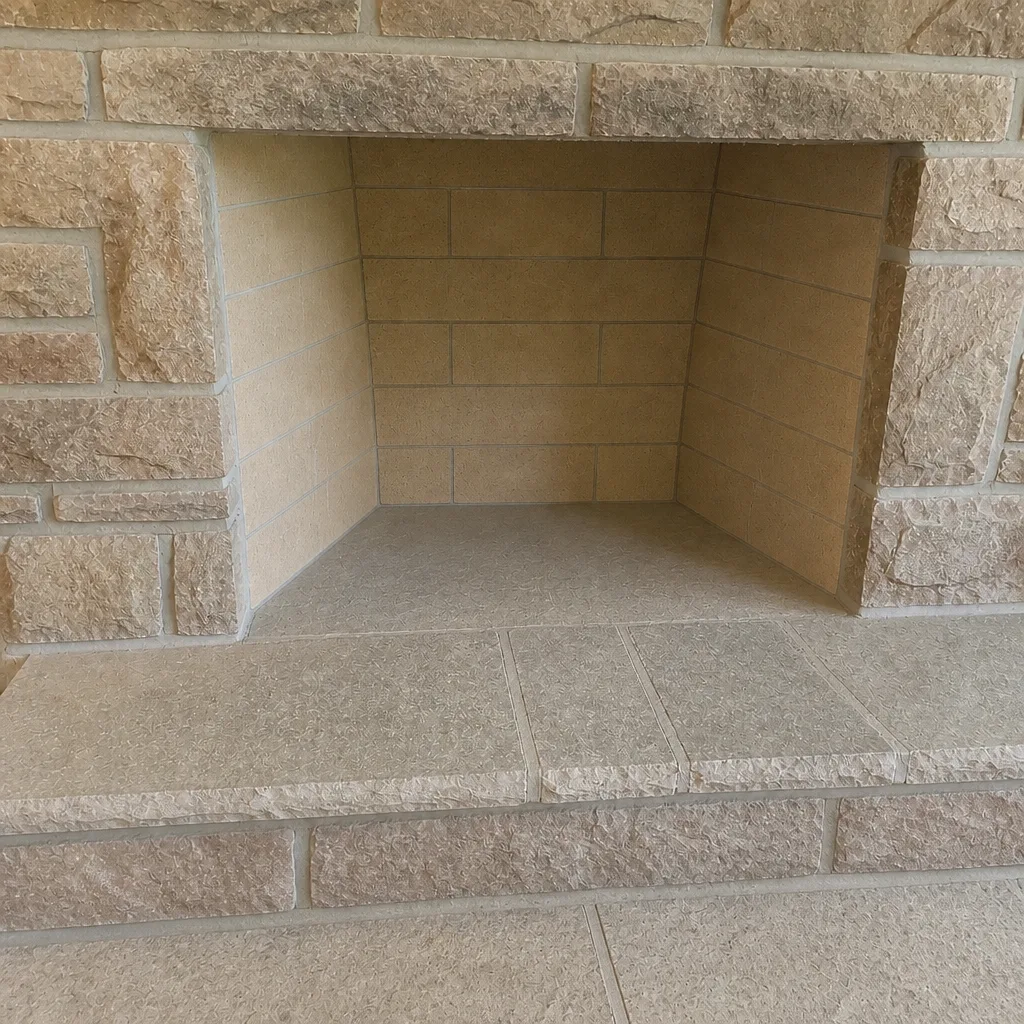
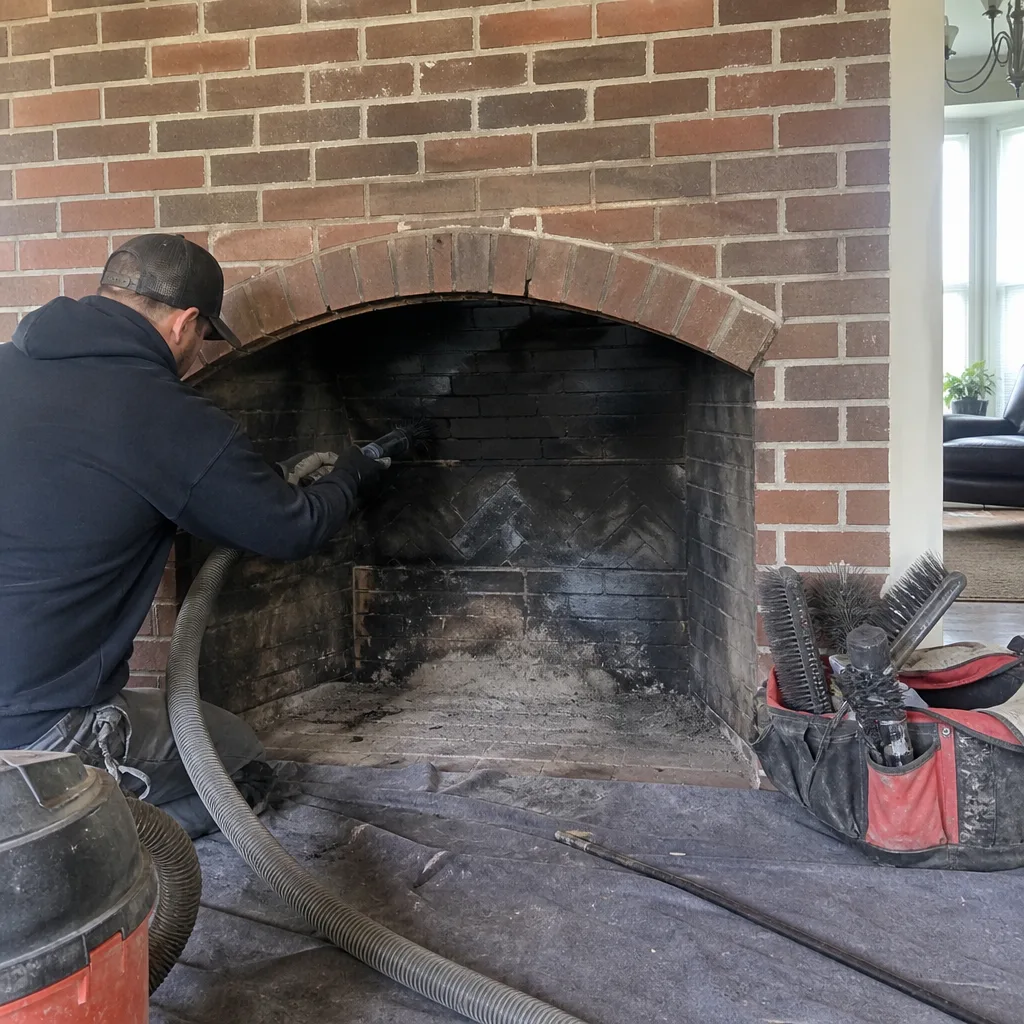
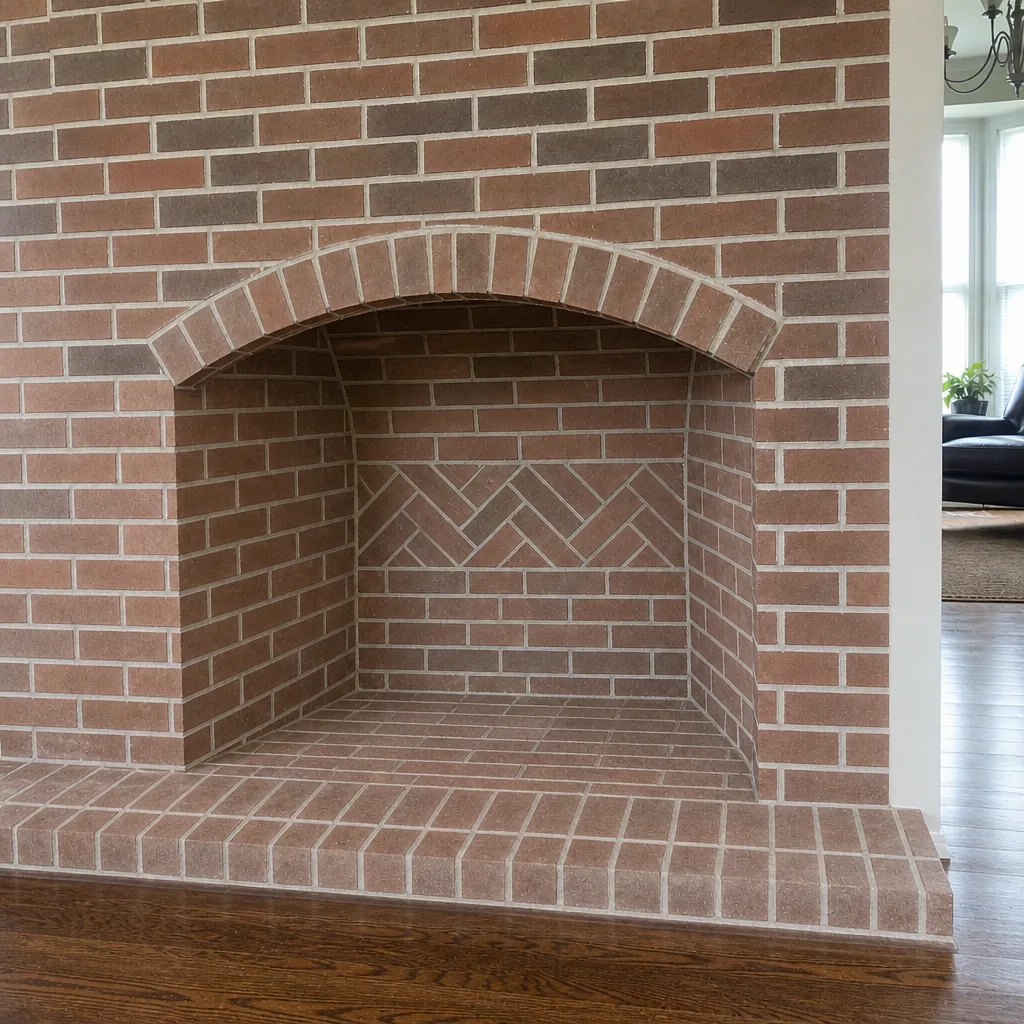
See the difference
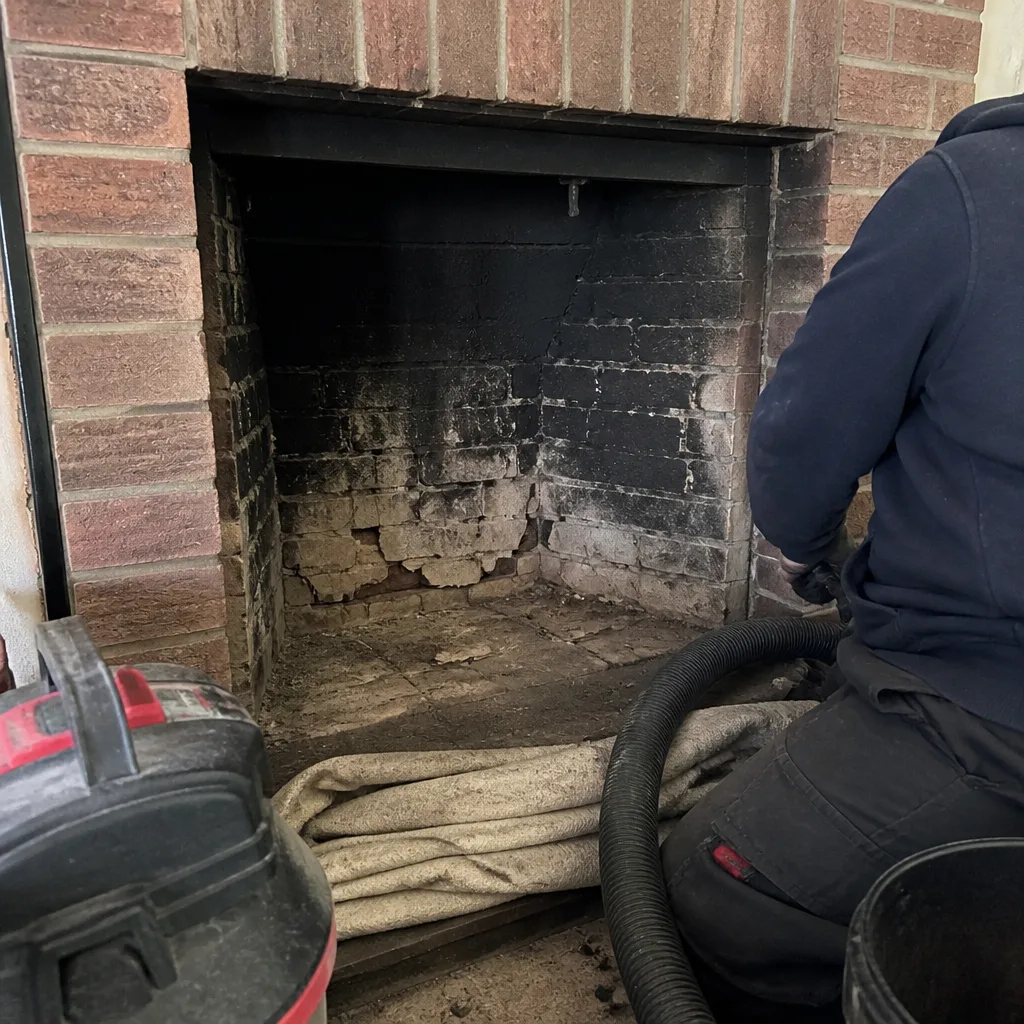 Before
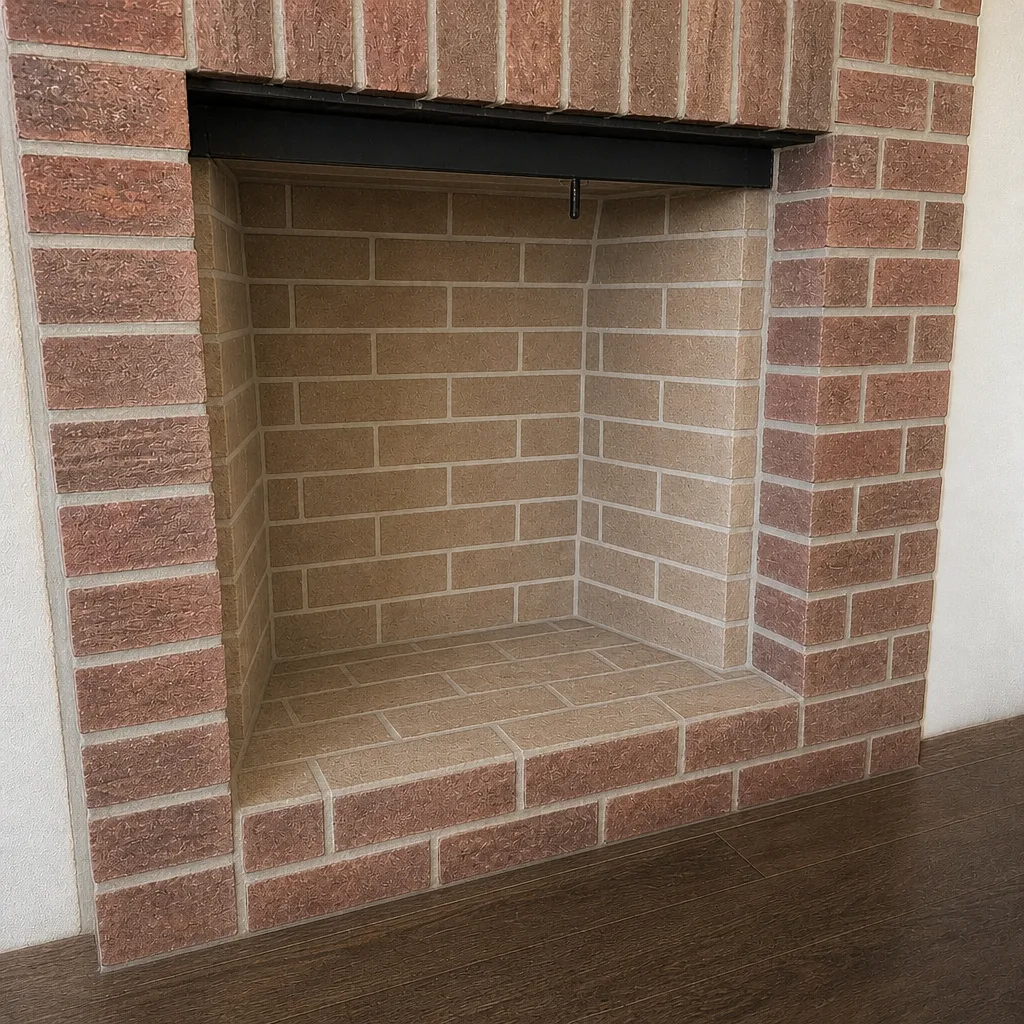 After
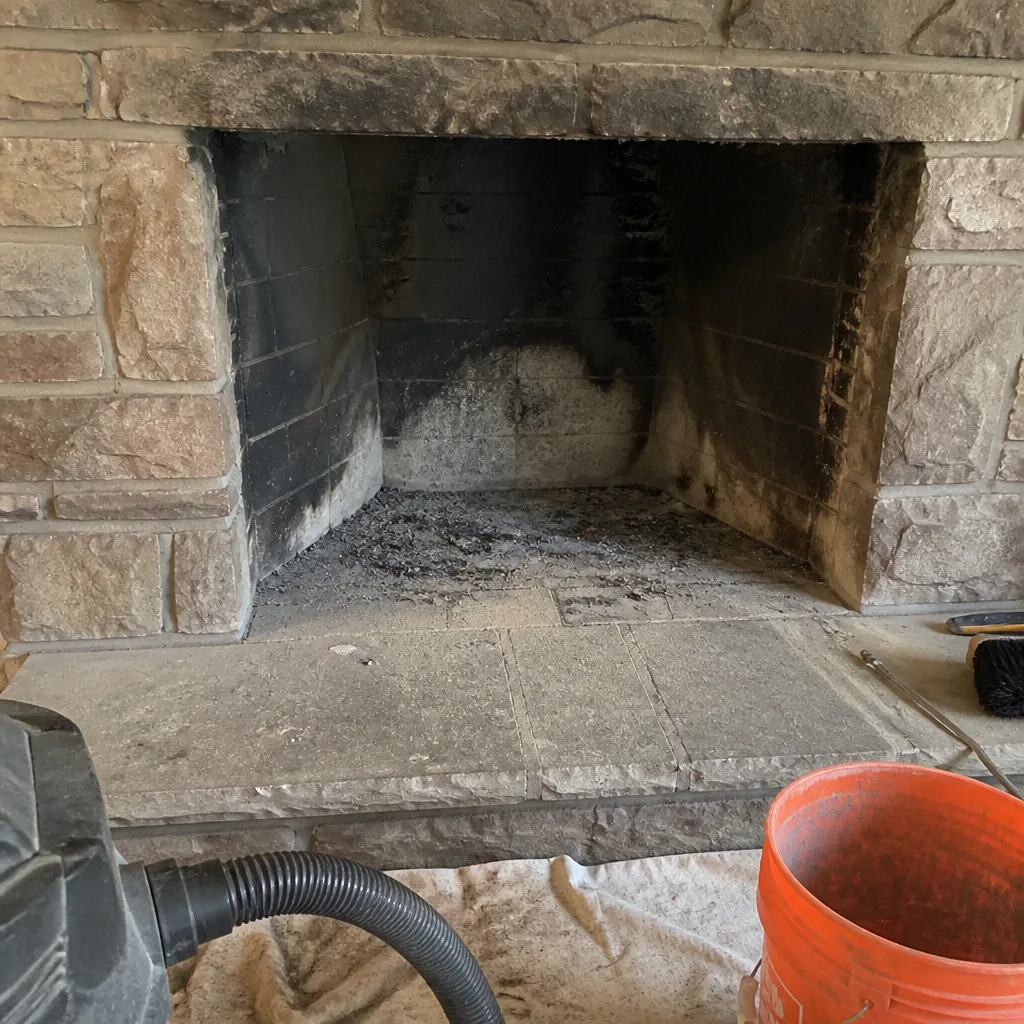 Before
 After
 Before
 After