
Last updated November 25, 2026
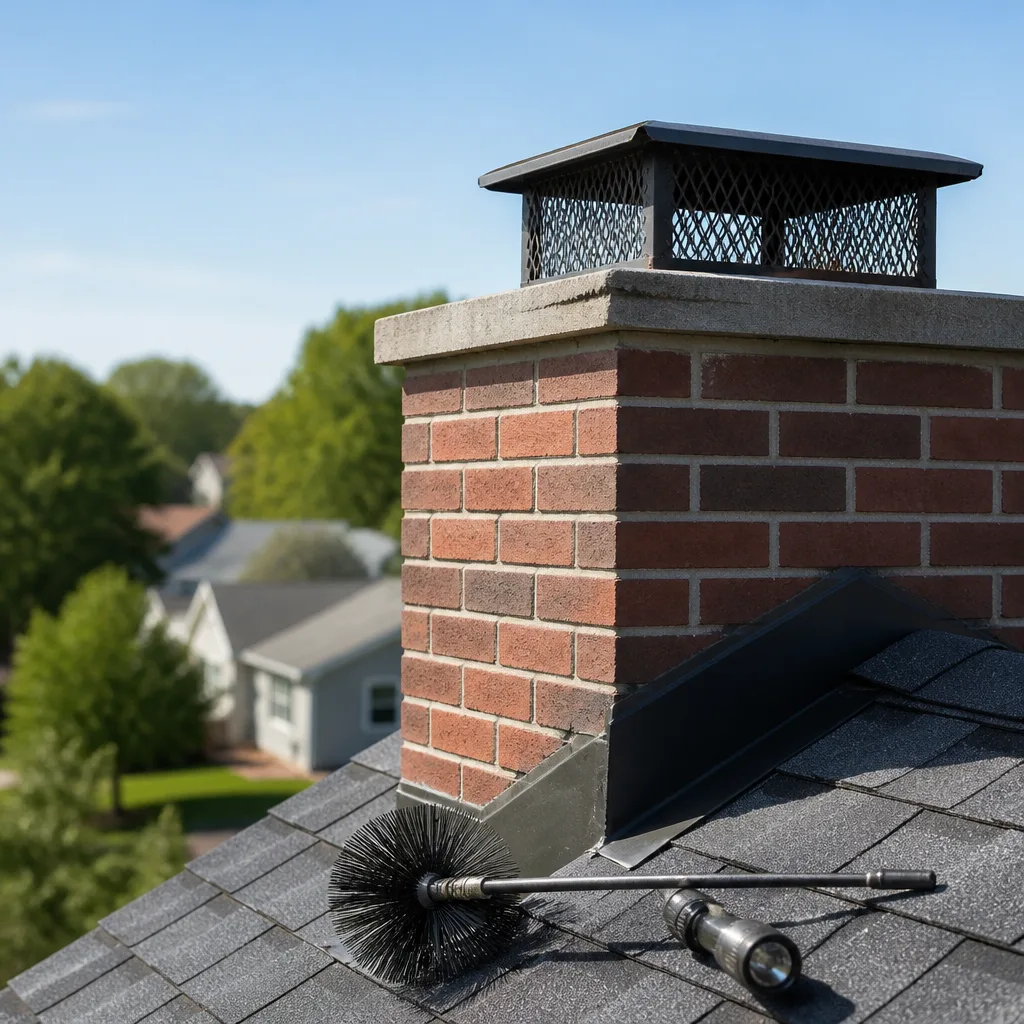 Sweep & inspection
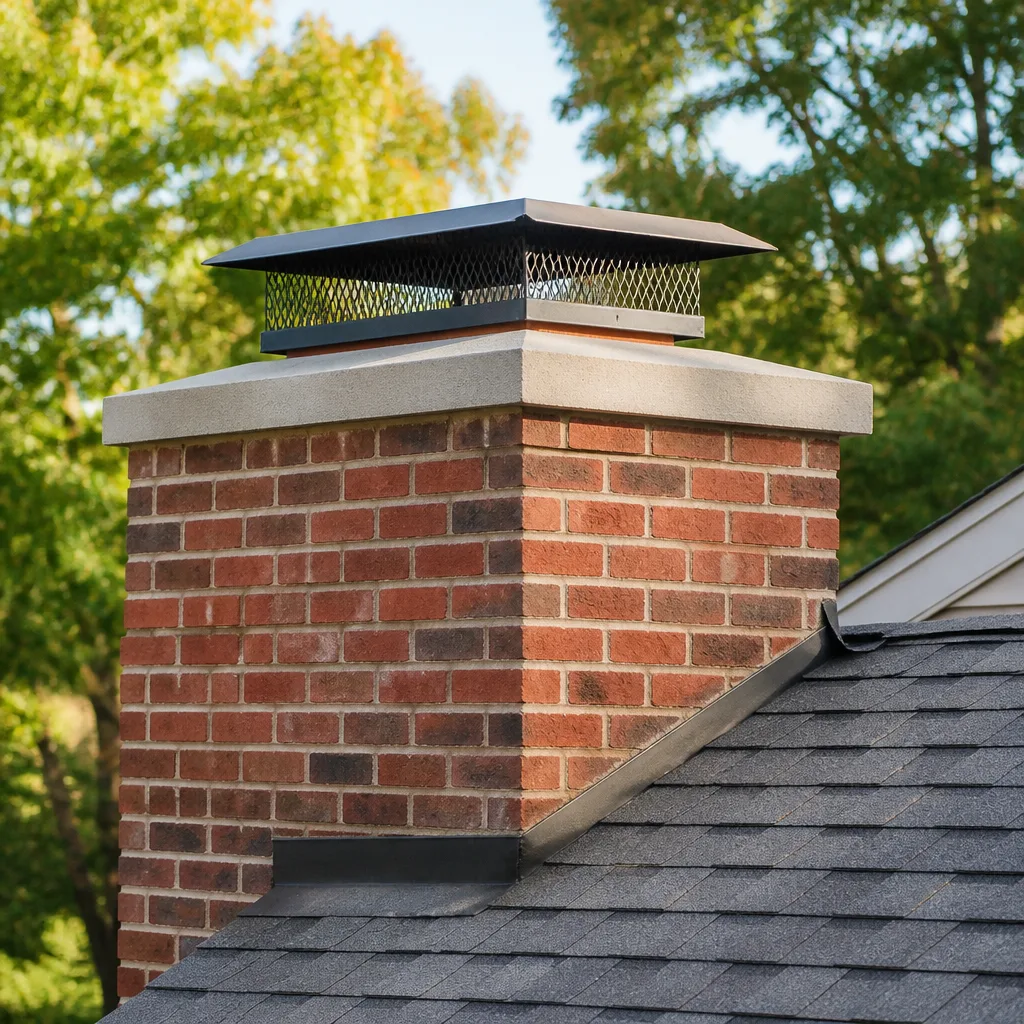 Caps & crowns
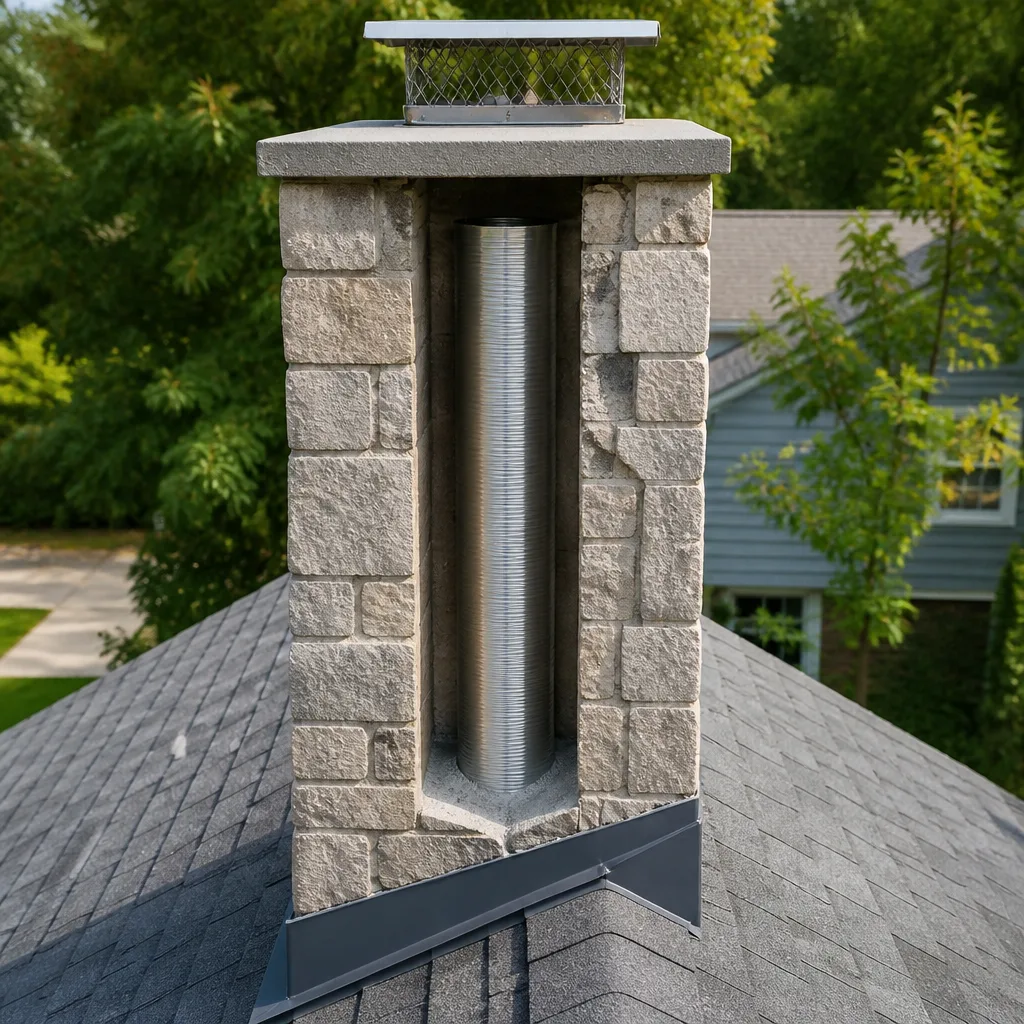 Flue relining
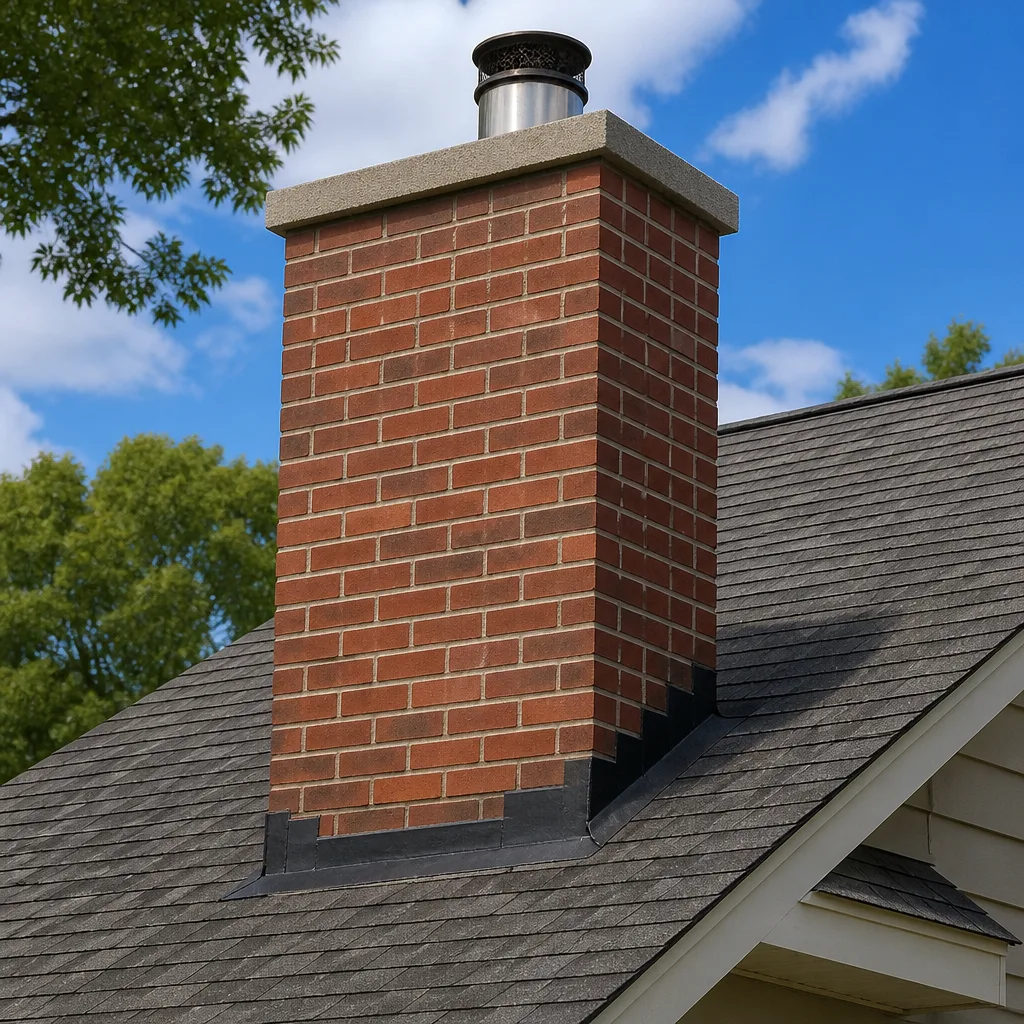 Masonry repair
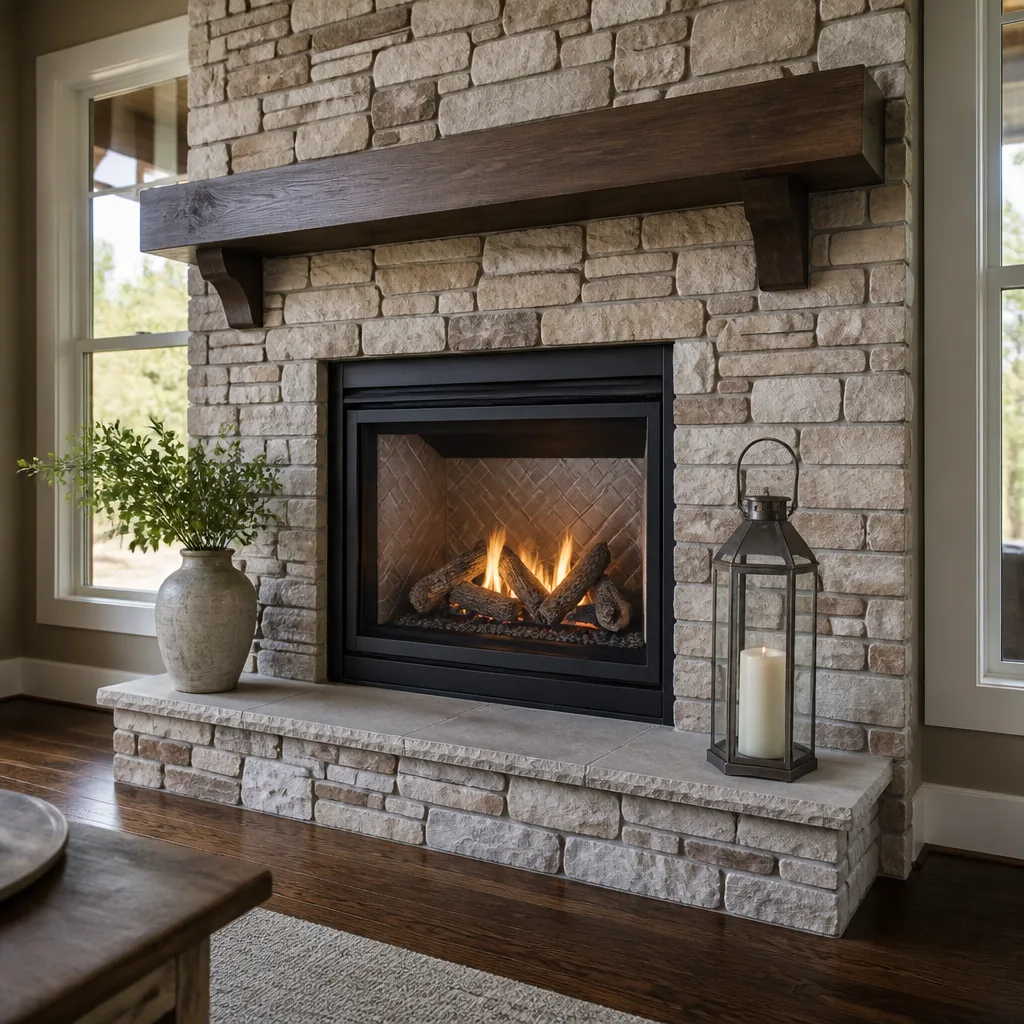 Gas fireplace service
Level 1 sweep and inspection to the NFPA 211 annual standard - flue, crown, cap, and flashing checked and photographed
Chimney sweep logs do not sweep chimneys. They loosen some creosote - which then falls where a brush and vacuum still have to collect it.
Chimney Sweep Troubleshooting in Salt Lake City: Common Problems and How to Fix Them
A smoky firebox after a cleaning isn’t a sign the sweep did something wrong. It’s often a sign the real problem was never creosote to begin with. That distinction matters here in Salt Lake City, where valley air, elevation, and long cold-season burn habits create failure patterns you won’t find in a generic troubleshooting guide. Most chimney issues trace back to one of four root causes: draft failure, blockage, moisture intrusion, or a structural breach. Knowing which one you’re dealing with tells you whether a sweep will fix it or make it worse. This guide maps symptoms to causes so you can stop treating effects and get to the source.
Quick Answer
Most chimney problems in Salt Lake City come down to one of four root causes: draft failure, physical blockage, water intrusion, or a structural breach in the flue, crown, or cap. A standard chimney sweep resolves creosote and soot problems, but a draft or moisture issue often needs inspection and repair instead. The fastest way to sort them is a camera inspection before any work is booked.
Styles & brands we work with
- Sweep & inspection
- Caps & crowns
- Flue relining
- Masonry repair
- Gas fireplace service
Table of Contents
- Is It a Draft Problem or a Blockage? How to Tell Them Apart
- Why Salt Lake City’s Elevation and Inversions Cause Draft Failures
- Is the Cap, Liner, or Crown the Actual Failure Point?
- Creosote Stages 1, 2, and 3: Which One Needs a Chemical Treatment?
- Water Staining, Rust, and Odor: The Moisture Trail
- Why Your Fireplace Smokes and What Actually Fixes It
- What You Can Safely Check Yourself and When to Stop
- Common Mistakes to Avoid
- When to Call a Professional
- Frequently Asked Questions
Is It a Draft Problem or a Blockage? How to Tell Them Apart
These two problems look nearly identical from the living room. A fireplace that backdrafts, spills smoke when you open the door, or won’t hold a flame may be starved for air or it may be sitting behind a clogged flue. The fixes are opposite, and that’s why guessing is expensive.
A draft problem means the chimney stack can’t pull combustion gases up and out. Causes include a flue that’s too short for the roof, negative pressure from a tight modern house, competing exhaust fans, or cold-stack syndrome where a cold exterior chimney won’t establish draft until it warms. Draft failures tend to appear as:
- Smoke rolling out at the top or sides of the firebox opening
- Difficulty lighting a fire, or a fire that dies back
- Smoke returning when a bathroom or kitchen fan runs
- Things improve after the chimney has been burning for 20 to 30 minutes
A blockage problem means something is physically in the flue: a bird nest, squirrel debris, a fallen cap, a collapsed tile, or heavy creosote. Blockage symptoms are more consistent and don’t improve with time:
- Smoke in the room every single fire, warm or cold
- A smell of soot or animal waste that never fades
- Visible debris at the smoke shelf or damper
- Audible scratching or flapping during the day
The confirm step is a camera inspection. We can’t tell you which cause you have without looking, and neither can anyone else. Many Salt Lake City homes near the foothills, from Federal Heights to the Avenues, have long histories with bird and squirrel intrusion through uncapped flues, while newer tight-built homes in Daybreak more often run into negative-pressure draft issues. The location of the home is a clue, not a diagnosis. Chimney sweep visits include a visual assessment of the flue as part of the visit, and a standalone inspection goes further with camera footage you can review.
Why Salt Lake City’s Elevation and Inversions Cause Draft Failures
Salt Lake City sits at roughly 4,300 feet above sea level, and thinner air at that elevation changes how a chimney behaves. Every troubleshooting guide written for sea-level homes assumes denser air and stronger stack effect than you actually get here. That mismatch explains why so many homeowners are told “your chimney should draft fine” and then can’t keep a fire lit.
At elevation, the pressure difference that drives stack effect is smaller. A chimney that would draft reliably at 500 feet may struggle at 4,300. The result is a shorter effective stack height, which means the chimney has to make up for it in other ways: more height above the roofline, a tighter flue, or a liner sized correctly for the appliance.
Then there’s the inversion layer. Wasatch Front inversions trap cold, dense air in the valley through much of the winter. During an inversion, the outside air pressure above the chimney can be nearly equal to the pressure inside the flue, which collapses the draft. Homeowners notice it first as smoke that hangs and then sags back into the room on still, cold, hazy days, and a fire that burns well on a windy afternoon. This is why troubleshooting “why does my fireplace only smoke sometimes” almost always starts with weather patterns for Salt Lake City homes.
Three practical adjustments we see work in Salt Lake City:
- Add effective stack height. A cap extension or a taller liner can restore draft when the flue is marginal for the roof pitch.
- Size the liner to the appliance. An oversized flue loses velocity. A correctly sized DuraFlex or Olympia Chimney stainless liner keeps gases moving even under inversion pressure.
- Provide combustion air. Modern tight homes with weather-stripped windows need a dedicated air source. A cracked window works as a check, not a permanent fix.
If your fire smokes only on inversion days, the problem is draft, not creosote. Booking a sweep won’t fix it, but a quick visit with a technician who’s seen the pattern is worth the time.
Is the Cap, Liner, or Crown the Actual Failure Point?
Three components take the blame for water damage, and homeowners often skip straight to the most expensive one. Stop and trace the symptom back to the source before booking anything. Here’s how to identify which of the three is really failing.
The chimney cap
The cap is the housing at the very top. It keeps rain, snow, birds, and squirrels out. Signs it’s failing:
- Visible rust-through on the metal, especially at the seams
- Loose or detached from the flue tile, rocking in the wind
- Debris or water inside the flue below the cap
- Animal activity or nesting sounds
A missing or damaged cap is the single most common entry point for wildlife in Salt Lake City. If the cap is the problem, the fix is a one-visit installation, and you can see more on our chimney cap & crown page.
The liner
The liner is the flue’s inner protective surface, either clay tile or stainless steel. Signs it’s failing:
- White or dark staining on the exterior masonry
- Pieces of clay tile or mortar visible in the firebox
- Smoke odor in the house long after the fire is out
- Draft weakness that gets worse each season
A failed liner needs resurfacing or replacement. HeatShield ceramic resurfacing restores a deteriorating flue in place when the damage is moderate, which can save the cost of a full reline. When the liner is structurally compromised, a DuraFlex or Olympia Chimney stainless system is the standard replacement.
The crown
The crown is the concrete cap over the masonry at the top of the chimney. It sheds water away from the stack. Signs it’s failing:
- Visible cracks wider than a hairline
- Crumbling or spalling concrete
- Masonry staining directly below the crown
- Water inside the attic or ceiling stain near the chimney chase
Crowns crack naturally with freeze-thaw cycling, which Salt Lake City gets in quantity. A cracked crown is almost always the actual source of water intrusion that homeowners mistake for a roof leak. Caps and crowns are the same service, and we treat a failing crown as a structural repair, not a cosmetic caulking job.
The order of operations matters. Check the cap first (cheapest, easiest), then the crown (visible from the ground with binoculars on a clear day), then the liner (needs a camera). A failed cap can cause the appearance of every other problem on this list.
Creosote Stages 1, 2, and 3: Which One Needs a Chemical Treatment?
Not all creosote is equal, and the stage determines whether a standard sweep is enough. Stage 1 is light, flaky soot and dust that a brush removes cleanly. Stage 2 is harder, crusty, and can flake or chip. Stage 3 is glazed, tar-like, and bonded to the flue surface, and a brush alone can leave it behind while polishing the surface into an even harder shell.
Sweeping a stage 3 flue the wrong way can make the problem worse. The bristles glaze the tar and drive it deeper. That’s the “sweep made it worse” experience some homeowners report. In practice, the sequence is:
- Inspect first. A camera pass establishes the creosote stage before any brush touches the flue.
- Stage 1: Standard sweep with rotary brushes is sufficient.
- Stage 2: Rotary sweep with a poly brush and a follow-up camera check for remaining deposits.
- Stage 3: A chemical treatment that softens the glazed deposit before brushing. That’s a two-visit process: treat, wait, then sweep and re-camera.
Creosote builds faster in homes burning unseasoned wood, restricted air, or smoldering overnight burns. Salt Lake City’s cold winters push people toward overnight burns, and the resulting creosote fills the flue faster than the usual seasonal schedule assumes. If your flue has been swept on schedule but still shows heavy buildup, the root problem is burn habits and draft, not the sweep.
Safety note: Stage 3 glazed creosote is the fuel source for a chimney fire, and it’s the reason we recommend a trained professional for inspection and cleaning at this stage. This isn’t a task for a homeowner with a brush and a ladder. The camera shows you exactly what stage you’re in, and the written report tells you whether a sweep, a chemical treatment, or a liner decision is next.
Water Staining, Rust, and Odor: The Moisture Trail
Water is the most destructive force your chimney deals with, and Salt Lake City homeowners tend to notice it in the form of a smell before they notice the stains. The smell is wet creosote plus masonry, and it intensifies on humid days or in the spring melt. If your fireplace smells like a sooty barbecue pit all summer, you have a moisture problem.
Water damage follows a short list of entry points. In order of frequency:
- Missing or damaged cap: direct rain into the flue
- Cracked crown: water absorbed into the masonry top and freezing
- Failed flashing at the roofline: water into the chase and attic
- Deteriorated mortar joints: water into the brick and freeze-thaw spalling
- Liner breach: condensation and creosote leaching into masonry
Freeze-thaw cycles are the multiplier. Salt Lake City weather cycles above and below freezing repeatedly each winter, and each cycle pushes trapped water deeper into mortar and brick. A hairline crack in the crown in October becomes a spalled brick course by March. The same physics destroys clay flue tiles. Small cracks widen with each freeze.
What to check yourself
- Stand across the street with binoculars and look for cracks in the crown and rusted caps. This is a safe, ground-level check.
- Sniff the firebox on a warm day. Persistent soot or mildew odor points to moisture.
- Look for white staining on exterior brick. Efflorescence signals repeated wetting and drying.
What needs a professional
Flashing repairs, crown rebuilds, and mortar repointing are roofline work on a steep surface. Water intrusion diagnosis needs a camera and a thermal or moisture reading. Fixing the wrong entry point wastes a season. If your cap is intact and the crown looks sound but you still get water, the next suspect is the flashing, and that’s a call, not a weekend project.
Why Your Fireplace Smokes and What Actually Fixes It
Smoke coming into the room is the most common reason people call us, and the fix is almost never what the homeowner expects. Run through these causes in order, because each one rules out the next.
- The damper isn’t fully open. Check the handle at the top of the firebox. It sounds obvious. It’s the most common reason, and it’s free to check.
- The flue is blocked. Bird nests, animal debris, or a fallen cap. Confirm with a camera, not with a flashlight held up to the damper.
- Negative pressure in the house. Competing exhaust fans, a tight envelope, or an open furnace flue create a pressure deficit. Test by cracking a nearby window before lighting. If the smoke clears, the house is starving the fire of air, and the fix is combustion air, not a sweep.
- Insufficient stack height. A flue that terminates too close to the roof, a nearby tree, or the ridge line loses draft. A cap extension can add effective height without rebuilding the chimney.
- Oversized flue. An oversized clay flue loses velocity and cools gases before they clear the stack. A correctly sized stainless liner fixes it and is standard for any fireplace being brought onto a new appliance. HeatShield can also smooth and reduce an oversized or irregular flue as part of a resurfacing.
- Inversion weather. If it smokes only on cold, still, hazy days, this is a Salt Lake City pattern, not a chimney problem you can sweep away. Draft aids, longer warm-up burns, and correcting stack height are the levers.
See our fireplace repair page if the smoke comes with damaged firebox panels, a cracked damper, or a hearth that needs masonry work. That’s a separate diagnosis from a draft issue, and both are handled under one roof.
What You Can Safely Check Yourself and When to Stop
There’s a clean line between safe checks and work that needs a trained technician. Here’s the line, without ambiguity.
Safe for a homeowner to check
- Damper operation from inside the firebox
- Visual look up the flue with a strong flashlight, from the firebox, without tools
- Cap and crown condition from the ground with binoculars
- Smoke and draft behavior with a window cracked
- Obvious debris at the smoke shelf, if reachable with a hand and glove
- Odor, staining, and rust evidence
Stop and call a professional
- Anything on the roof. Steep pitches, ice, and roofs over two stories are a fall hazard, full stop.
- Liner and flue interior camera work
- Anything involving the firebox masonry or damper repair
- Chimney fire evidence: puffy honeycomb creosote, warped damper, cracked tiles, discolored cap
- Any gas appliance venting through the chimney
- Chemical creosote treatment
The clearest sign to stop is a flue you can’t see all the way up. That’s not a “try harder” moment. Book the inspection. The Salt Lake City Chimney Sweep team runs a camera and hands you the footage.
Common Mistakes to Avoid
- Burning wet or unseasoned wood to save money. It builds creosote faster than any other single habit and costs more in labor down the road than dry wood costs upfront. In Salt Lake City’s long burn season, that difference shows up quickly.
- Sweeping a glazed stage 3 flue with a brush. Brushing polishes glazed creosote into a harder shell. That’s a chemical treatment case, and a sweep alone can leave the fire hazard in place.
- Assuming a smoky fireplace needs a sweep. Draft failures and blockages share symptoms but opposite fixes. Sweeping a draft problem doesn’t fix anything and delays the actual diagnosis.
- Caulking a cracked crown instead of rebuilding it. Salt Lake City freeze-thaw cycling pushes caulk out of a crack within a season. A crown repair is masonry work, not a tube of sealant.
- Skipping the cap because it’s “just cosmetic.” An uncapped flue is the top cause of water intrusion and animal entry in this valley. Caps and crowns prevent both, and the cost of a cap is a fraction of the repairs it prevents.
- Patching a failed liner instead of resurfacing or replacing it. A breach in the liner lets heat and gases reach masonry. That’s a safety issue and a code issue, not a cosmetic one.
- Buying a liner or cap from a hardware store for a specific flue. Sizing and material matter. Professional-grade components from Famco and Copperfield are spec’d to the flue, not guessed from a shelf tag.
When to Call a Professional
Call when you can’t see the full length of the flue, when you smell soot or animal waste indoors, when the crown or flashing looks damaged from the ground, or when you’ve had any sign of a chimney fire. Call if you’re buying or selling a home in Salt Lake City and need a credible inspection report, or if the same symptom returns after a previous repair. We answer 24/7. Fast dispatch from 7am to 7pm, Sunday through Friday, and we’re closed Saturday. Salt Lake City Chimney Sweep offers free estimates in Salt Lake City. Call (866) 947-9124. Our technicians have up to 14 years of experience, and every visit gives you camera evidence and a written photo report before you commit to any work. Nothing is recommended without the evidence to back it up, and we’ll tell you plainly when a repair can safely wait.
Frequently Asked Questions
A standard sweep typically runs in the range of a scheduled service call, and the exact price depends on the flue configuration, the creosote stage, and whether a camera inspection is included. We quote the sweep price up front, before the visit, so there’s no surprise. If we find a stage 3 flue or a draft problem during the sweep, we stop and explain what a proper fix involves before booking it. Call (866) 947-9124 for an exact quote. Estimates are free.
Not always. A moderate amount of liner deterioration can often be restored with HeatShield ceramic resurfacing, which rebuilds the flue surface in place without a full reline. A full stainless liner (DuraFlex or Olympia Chimney) is needed when the existing liner is structurally compromised, oversized, or the wrong material for the appliance. The camera footage decides which path you’re on, and you can review it yourself before we quote anything.
Chimneys venting wood should be swept once a year during active burning, and more often if you burn heavily, burn unseasoned wood, or have a stage 2 or 3 creosote history. Gas appliances should be inspected annually even though they don’t produce creosote. In Salt Lake City, the practical habit is to book a sweep in late summer or early fall, before the first cold snap, so you know the flue is clear before burning season. Call (866) 947-9124 to schedule. Estimates are free.
Creosote accumulates and eventually ignites, which is a chimney fire. A single chimney fire can crack the flue tiles, warp the damper, and expose the masonry to heat intense enough to damage surrounding framing. Even without a fire, a blocked flue pushes carbon monoxide and smoke into the living space instead of up and out. The real reason to sweep isn’t cleaning for its own sake. It’s preventing an event you can’t undo. Call (866) 947-9124 if it’s been a while. Estimates are free.
That’s an inversion-layer draft problem, and it’s specific to the Wasatch Front. When a cold, dense layer of air traps pressure in the valley, the stack effect collapses and smoke can hang or back up into the room. A taller effective stack, a correctly sized liner, or improved combustion air can resolve it. A sweep won’t, because creosote isn’t the issue. Call (866) 947-9124 to book an inspection and confirm the cause. Estimates are free.
Common signs are puffy, honeycomb-textured creosote, a warped or discolored damper, cracked flue tiles, and heat-discolored metal on the cap or top plate. Homeowners sometimes hear a low roar or a sound like a freight train during the event and don’t realize what it was. Any of these signs warrants a camera inspection before the chimney is used again. Call (866) 947-9124 to book one. We answer 24/7, with fast dispatch from 7am to 7pm, Sunday through Friday.
The Bottom Line
Salt Lake City chimney problems almost always trace to one of four root causes: draft failure, blockage, moisture intrusion, or a structural breach. The symptoms overlap, but the fixes are different, and booking the wrong service wastes money and time. The right first move is a camera inspection, before any sweep or repair. Once you know whether you’re looking at an inversion-driven draft issue, a cracked crown, a stage 3 flue, or a failed liner, the path is clear. Our team handles the whole system under one roof, from sweep to structural repair, with professional-grade materials and a written photo report on every visit. If something on this list matches what you’re seeing, call (866) 947-9124 for a free estimate. We answer 24/7, with fast dispatch from 7am to 7pm, Sunday through Friday.
Written by the team at Salt Lake City Chimney Sweep.
See the difference
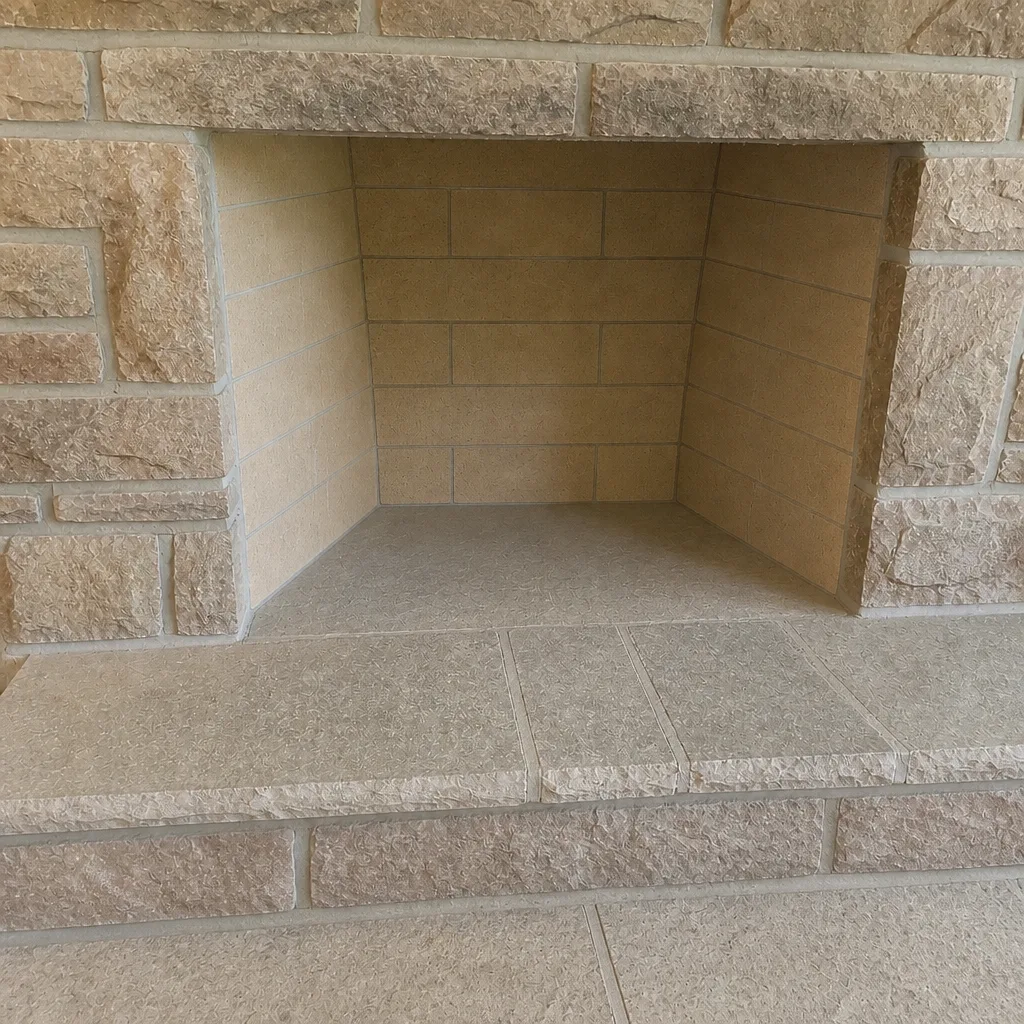
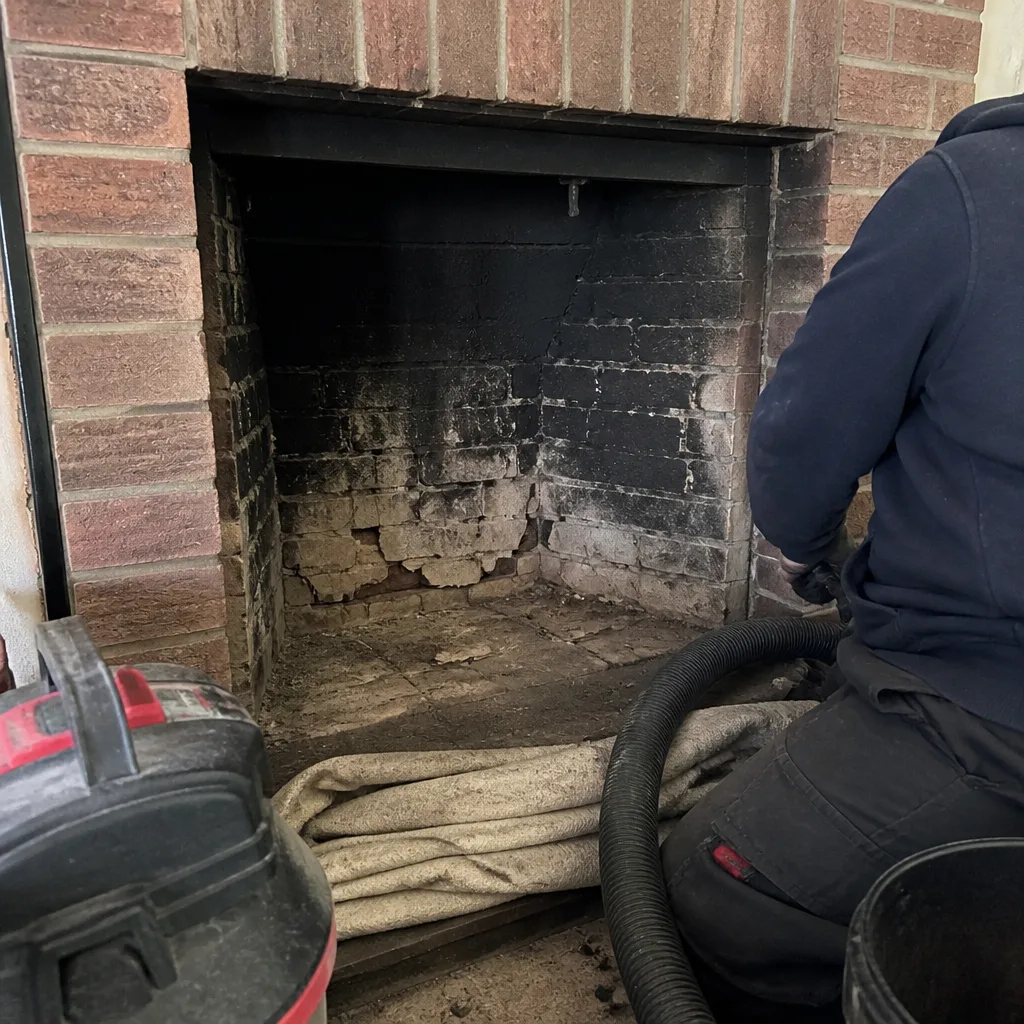 Before
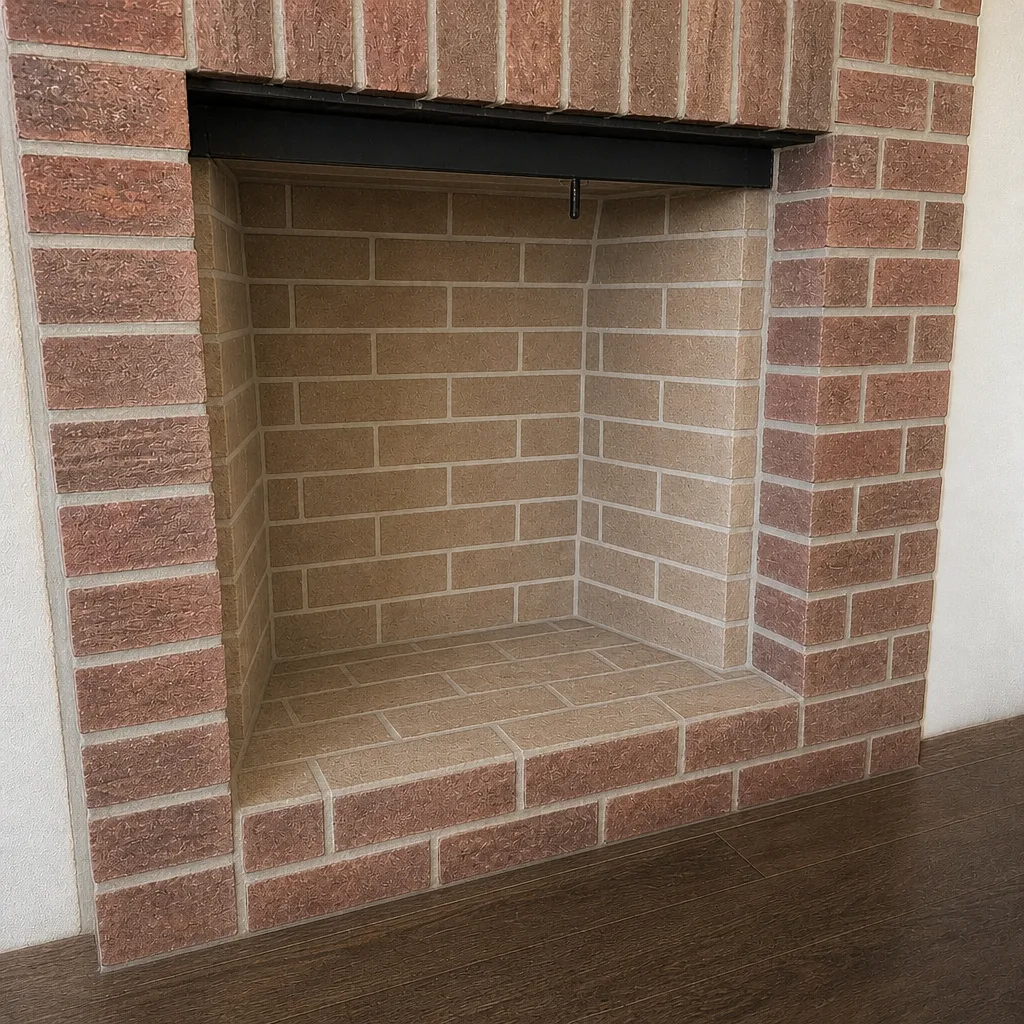 After
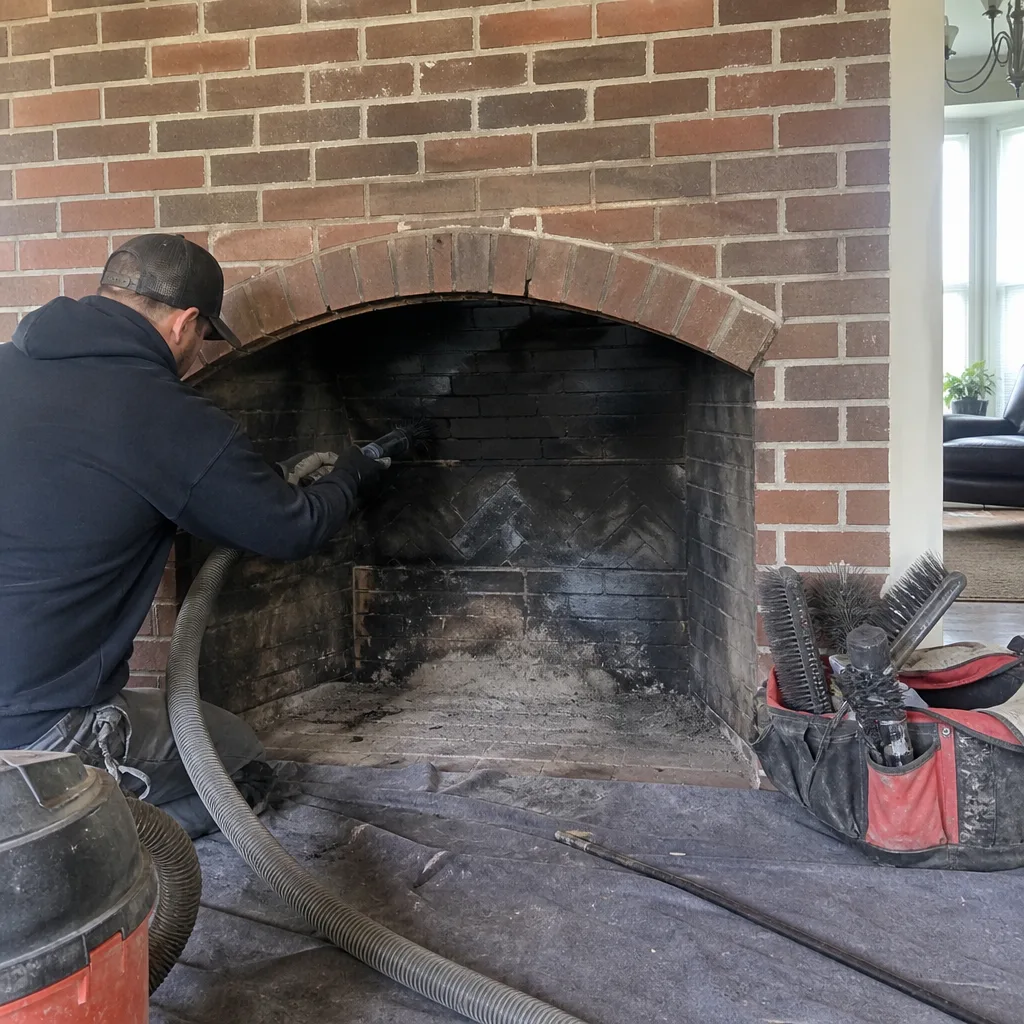
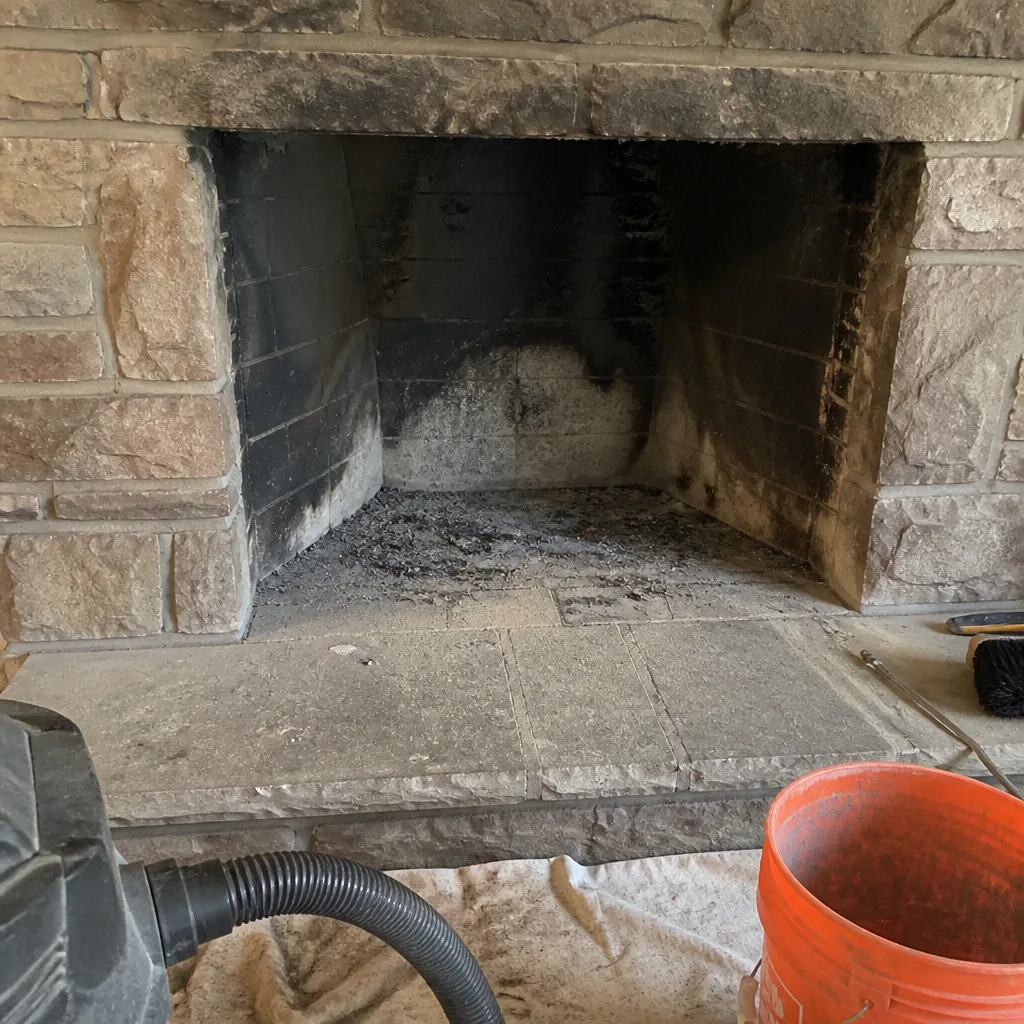 Before
 After
 Before
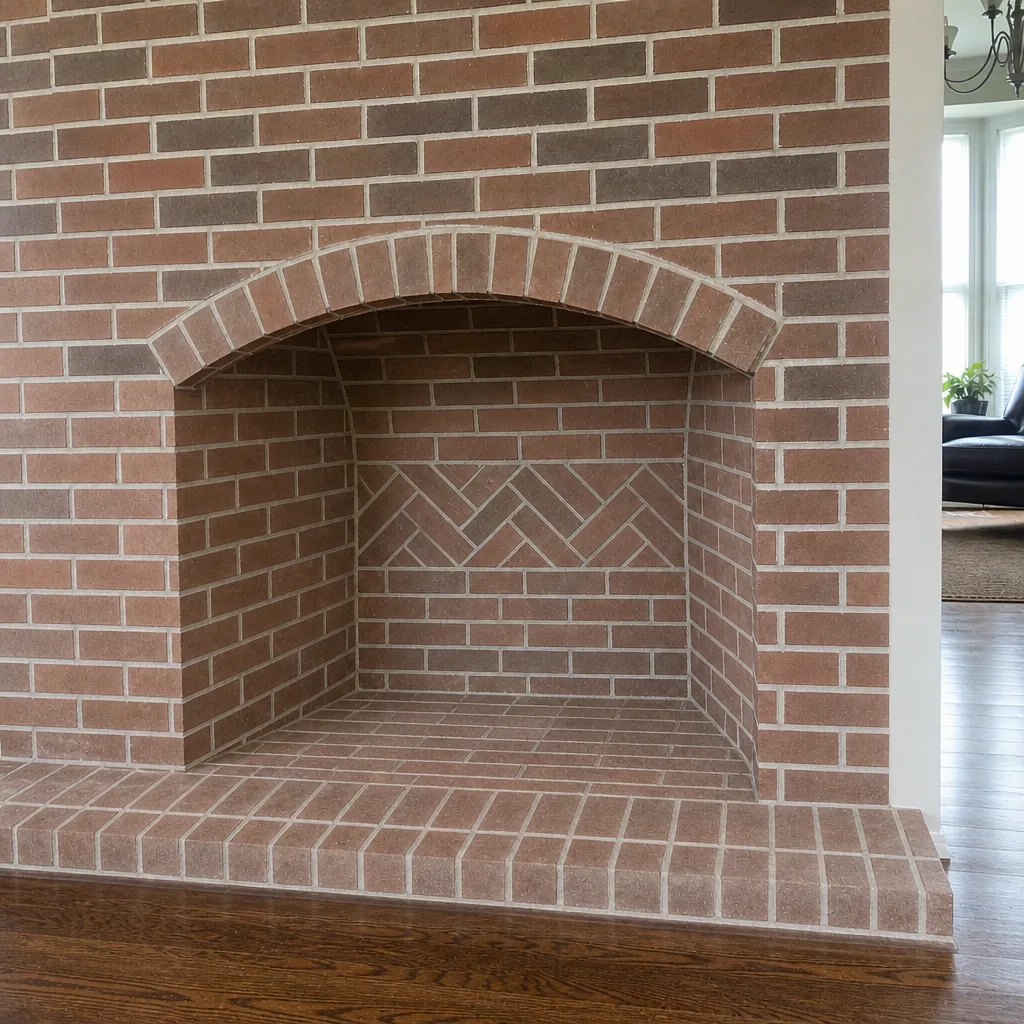 After