
Last updated November 25, 2026
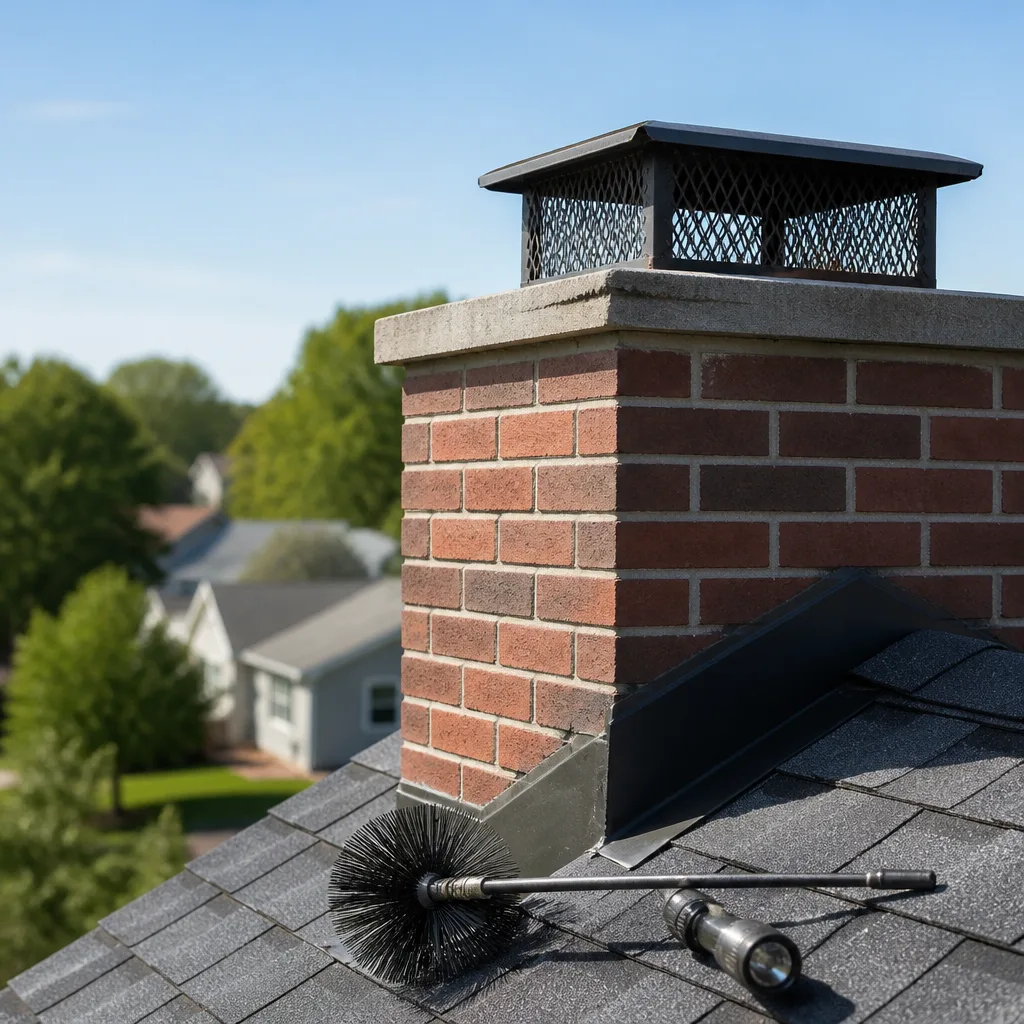 Sweep & inspection
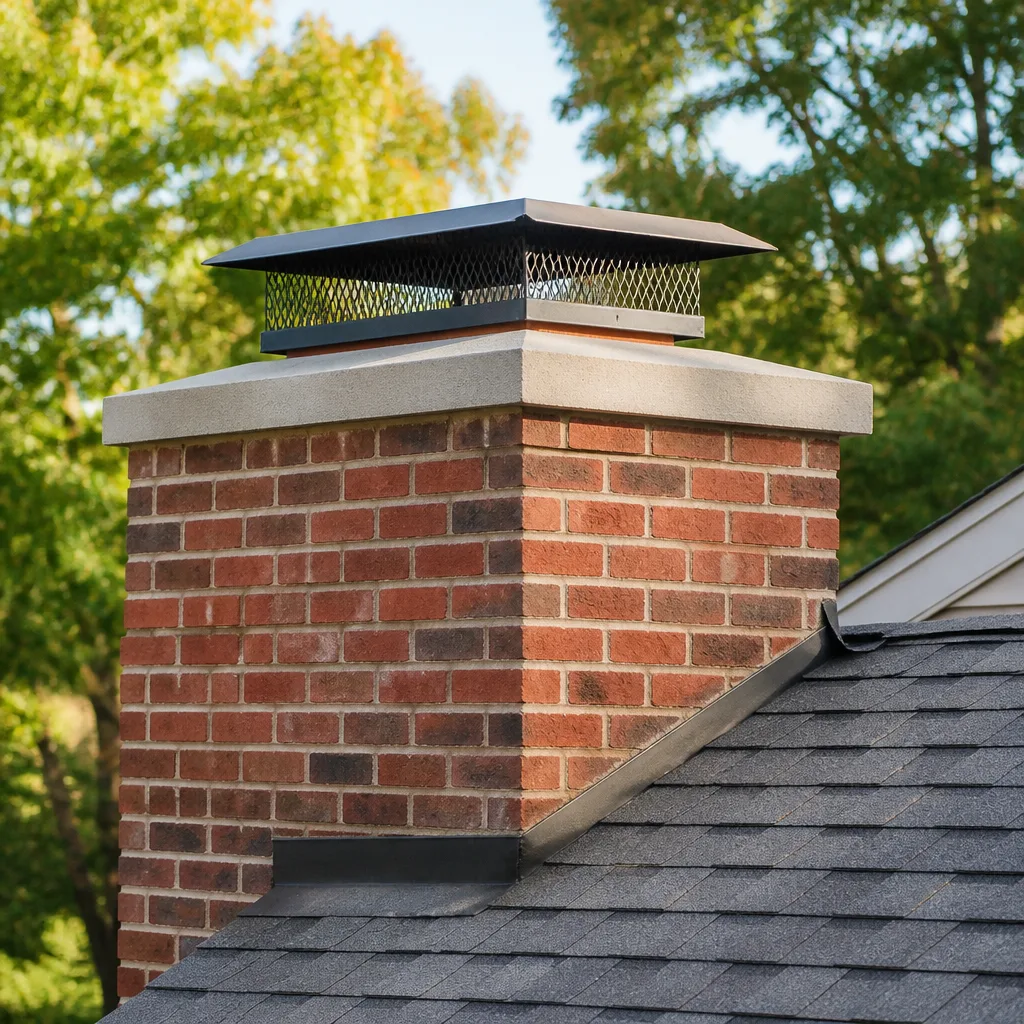 Caps & crowns
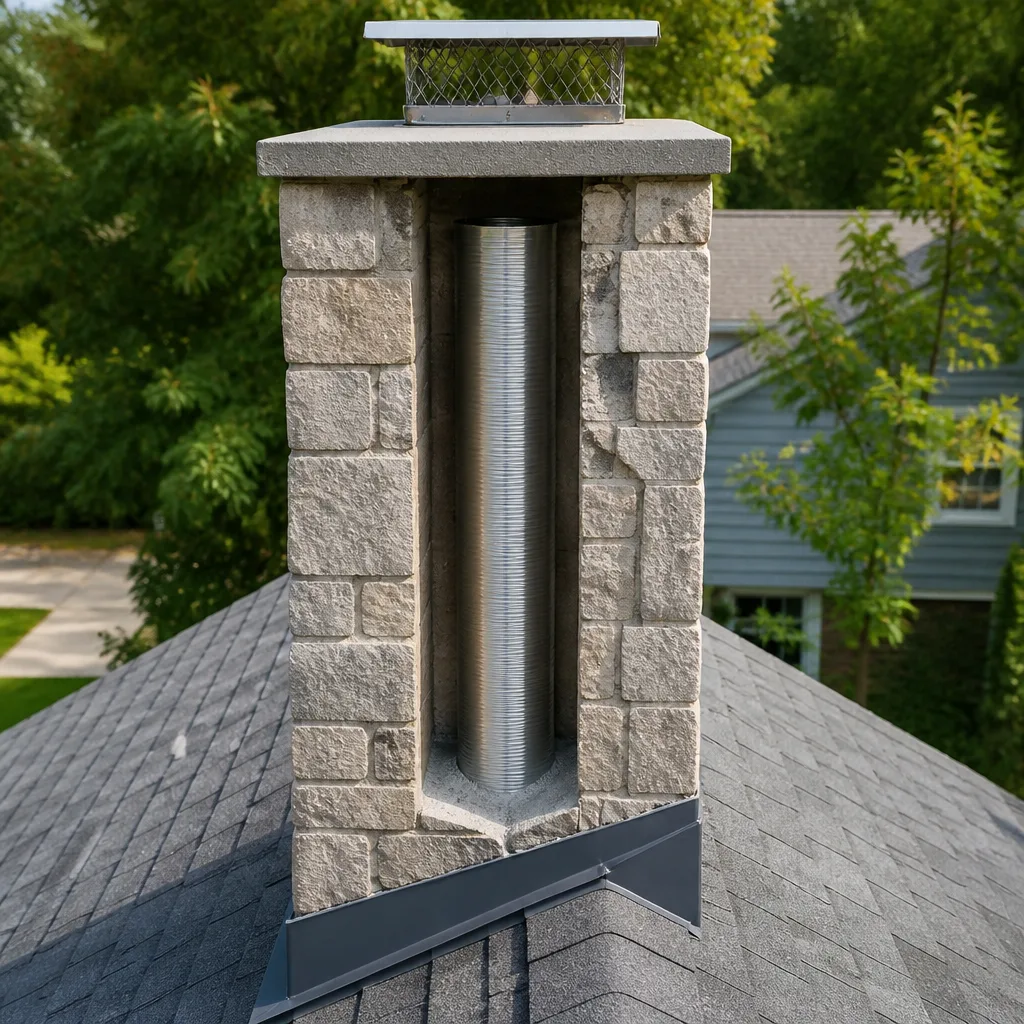 Flue relining
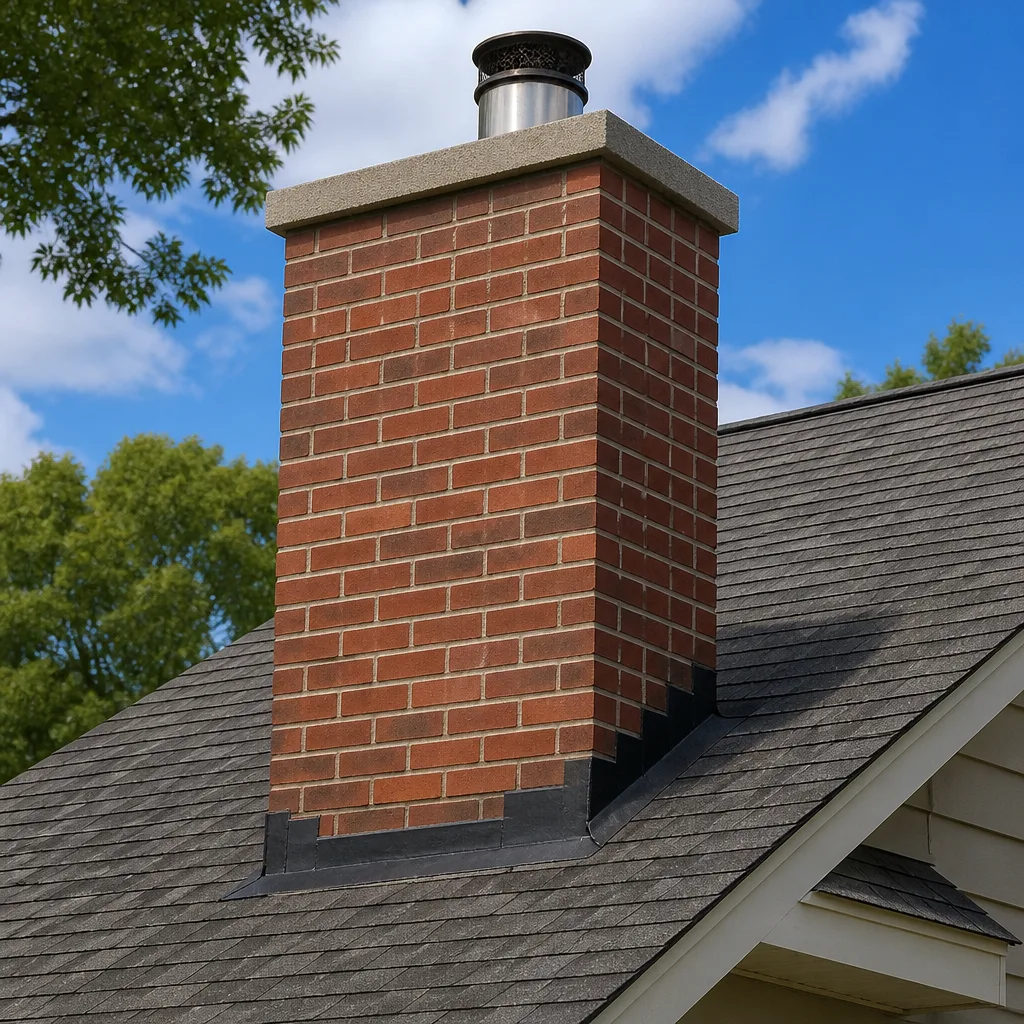 Masonry repair
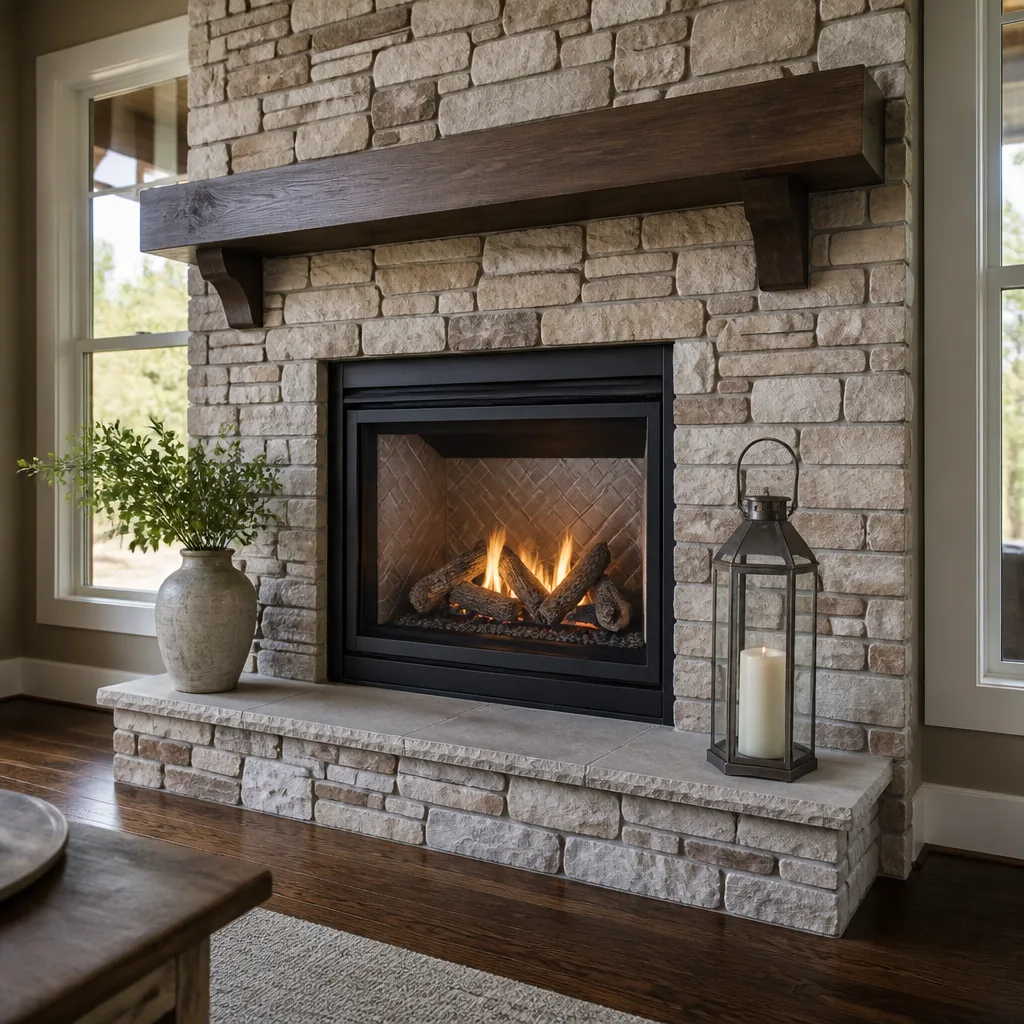 Gas fireplace service
Level 1 sweep and inspection to the NFPA 211 annual standard - flue, crown, cap, and flashing checked and photographed
Chimney sweep logs do not sweep chimneys. They loosen some creosote - which then falls where a brush and vacuum still have to collect it.
Chimney Cleaning Emergency Preparedness Guide for Salt Lake City Homes
The call that scares homeowners most doesn’t come in January. It comes in late October, usually the evening of the first hard freeze, when someone lights a fire in a flue that has been sitting untouched since spring. Chimney emergencies in Salt Lake City cluster around that first cold snap because the failure was building all summer: a cracked crown, a nest at the flue cap, a glaze of creosote that dried into something combustible. Nothing “suddenly” went wrong. This guide covers what a chimney fire actually sounds like, why the advice to close the damper can backfire, and the pre-season routine that prevents most of these calls before they happen.
Quick Answer
Most chimney emergencies in Salt Lake City are preventable and trace back to a system that sat uninspected through the summer. A professional inspection and sweep before the first cold snap, combined with a secure cap and an intact crown, eliminates the most common causes of October and November chimney fires. If a fire has already happened, the flue must be professionally inspected before the fireplace is used again, and a visual check from the firebox isn’t enough.
Styles & brands we work with
- Sweep & inspection
- Caps & crowns
- Flue relining
- Masonry repair
- Gas fireplace service
Table of Contents
- Why Chimney Emergencies Cluster Around the First Cold Snap
- What a Chimney Fire Actually Sounds and Feels Like
- The First Five Minutes: What to Do and in What Order
- Why “Close the Damper” Can Make Things Worse
- Pre-Season Preparation That Prevents Most Emergencies
- After a Chimney Fire: What Must Be Inspected
- Carbon Monoxide and Salt Lake City’s Inversion Problem
- When to Call a Professional
Why Chimney Emergencies Cluster Around the First Cold Snap
Salt Lake City Fire Department responds to chimney-related calls most heavily in October and November, and the pattern isn’t a coincidence. Chimneys don’t fail in the moment someone lights a fire. They fail because something changed during the six or seven months the fireplace sat idle, and nobody looked. The first cold night simply reveals it.
Here’s what accumulates over a Salt Lake City summer. Warm-weather rain and snowmelt beat against the crown and cap. A hairline crack in the mortar widens. Birds and squirrels find an uncapped flue and build a nest of twigs, grass, and insulation that will smolder the moment it meets heat. Creosote left from last season’s fires dries into a brittle, highly flammable glaze. Soot settles and restricts the draft. None of this announces itself. The fireplace looks exactly as it did when the owner closed the glass doors in April.
The specific failure modes we see in Salt Lake City homes tend to break down like this:
- Blocked flue from animal nesting. A missing or loose cap is the single most common cause. A nest restricts the flue, and smoke backs into the room the first time the fireplace is lit.
- Third-degree creosote ignition. Glazed creosote is hard, shiny, and burns hot. It builds fastest in wood stoves and inserts run at low, smoldering settings.
- Cracked flue tile from a previous overfire. A tile can crack one winter and go unnoticed until the following season, when heat and moisture open the gap into a path for fire and carbon monoxide.
- Water-damaged mortar and crown. A failed crown directs water into the chimney’s masonry, which freezes, expands, and spalls the structure through the winter.
The prevention is unglamorous: inspect and sweep before the season, not after a scare. Our technicians have up to 14 years of experience, and the pattern is consistent. The homes that get ahead of it are the ones that schedule a chimney sweep in the late summer or early fall, before the first freeze compresses everyone’s calendar into the same two weeks.
What a Chimney Fire Actually Sounds and Feels Like
Most people picture a chimney fire as visible flames shooting from the top. In reality, a lot of chimney fires are quiet and internal, burning inside the flue where nobody sees them. Knowing the sensory signs matters, because the difference between a small fire that burns itself out and one that damages the structure comes down to how quickly it’s recognized.
What a chimney fire can sound like from inside the house:
- A low, roaring rumble like a distant freight train or a jet passing overhead, often building in intensity over several minutes.
- Loud popping or crackling that’s much sharper and more aggressive than normal firewood.
- A tapping or vibrating sound from the flue itself, sometimes described as a “sucking” noise as the fire pulls air up the chimney.
What it can feel and look like:
- Stovepipe or chimney breast becoming hot to the touch, sometimes glowing dull red at joints.
- Dense, dark smoke or visible flame from the chimney top. You may see sparks or embers.
- A strong, acrid smell inside the room, and smoke pushing past the damper into the living space.
- A sudden, noticeable increase in draft, as the fire pulls air hard up the flue.
In our experience, the most dangerous chimney fires are the ones homeowners never realized happened. They burn hot and fast inside the flue, cool, and leave behind cracked tiles and warped metal that only show up on inspection. That’s why a fire-safe home isn’t just about reacting well in the moment. It’s about making sure the system gets looked at afterward even if everything seems fine.
The First Five Minutes: What to Do and in What Order
The first five minutes of a chimney fire are about limiting structural damage and getting everyone safe. The sequence matters. Here’s the order we recommend.
- Get people out and call 911. If there is any doubt whether it’s a chimney fire, treat it as one. Get everyone outside or ready to leave, and call 911. The fire department can confirm what’s happening and whether the roof or attic is at risk.
- Stop adding fuel. Don’t put more wood on. Close the firebox doors or screen if you have them, which limits oxygen to the firebox without sealing the flue.
- Cut the air supply to the firebox, not the flue. On most wood stoves and inserts, closing the air intake starves the fire of oxygen. On an open fireplace, this is harder. The firebox doors help, but the flue stays open for the moment.
- Check for smoke entering the room and get out if it is. Smoke pushing past the damper means the flue is compromised or blocked. That’s a get-out signal.
- Don’t spray water down the flue from the roof. A sudden thermal shock on hot masonry or metal flue tile can crack it and cause far more damage than the fire itself. This is a fire-department call.
- After the fire is out, keep the fireplace cold and unused. Don’t relight it. Get a professional inspection before you consider using it again.
The instinct to “do something” is strong, and it can work against you. In our experience, homeowners who act calmly during the first minute and get a professional in afterward end up with far less damage than those who improvise. The Salt Lake City Chimney Sweep team handles the inspection side of that recovery, which we cover in detail below.
Why “Close the Damper” Can Make Things Worse
The most repeated piece of chimney fire advice is also one of the most misapplied: “Close the damper to starve the fire of oxygen.” Depending on what kind of fire is burning, that can backfire.
A chimney fire needs three things: fuel (creosote or soot on the flue walls), heat, and oxygen. Closing the damper does reduce oxygen, but it also traps combustion gases inside the flue. If the fire is burning in the flue and the gases can’t escape upward, they build pressure and heat inside the chimney itself. That pressure finds the weakest point: a cracked tile, a failed mortar joint, or a gap in the chimney structure. Instead of suffocating the fire, the closed damper can force extremely hot gas into the home’s framing.
The safe generalization is this: closing the damper may help if you’re dealing with a small firebox fire that’s starting to spread, but it can hurt if the fire is already burning in the flue. That distinction isn’t one a homeowner can reliably make in the dark, mid-crisis. Which is why the practical advice is:
- Get people safe and call 911 first.
- Close the firebox doors if you have them. That’s different from closing the flue damper.
- Don’t try to seal the flue from inside the house if the fire is roaring. Let the fire department handle the flue.
This is also why the post-fire inspection matters so much. A damper closed mid-fire can push heat where it shouldn’t go, and the damage won’t be visible from the firebox. A proper inspection uses a camera to look inside the flue and check the structure from the top down. We’ll come back to that.
Pre-Season Preparation That Prevents Most Emergencies
Every fall, we see the same two-week scramble in Salt Lake City: the first freeze hits, everyone lights a fire at once, and a handful of homes discover a blocked flue, a broken damper, or a nest in the chimney. The homes that avoid this do the work in late summer or early fall, before the cold snap.
Here’s the pre-season routine we recommend for a Salt Lake City home with an active fireplace:
- Schedule a professional inspection before the season. An inspection gives you an honest baseline on the flue, cap, crown, damper, and firebox. It’s the starting point for everything else.
- Sweep the flue based on what the inspection finds. A sweep clears soot and creosote. If the system was heavily used last winter, sweeps are due sooner. Inspect before you repair, and sweep before you light the first fire.
- Check the cap and crown. The cap keeps out birds, squirrels, rain, and snow. The crown keeps water off the masonry. Both fail eventually. Replacing a cap is quick and cheap compared to a structural repair.
- Look for water staining inside the firebox and on the chimney breast. Water staining means a leak from the crown, cap, or flashing. Catch it early and it’s a small repair. Ignore it and freeze-thaw cycles through a Salt Lake City winter can open it up dramatically.
- Test the damper. It should open and close freely, and seal well when closed. A stuck-open damper is an energy drain. A stuck-closed damper is a smoke-in-the-room risk.
- Clear the firebox and check the grate and doors. Remove ash buildup, check that the firebox doors and screen are intact, and confirm the fireplace will draw properly. A smoky first fire usually traces back to a cold flue or a restricted draft.
Two of those five steps (the inspection and the sweep) require a professional. The rest a homeowner can check. Together they close off the four main causes of a first-cold-snap emergency: blocked flue, excess creosote, water intrusion, and a failed damper. For cap and crown work specifically, our chimney cap & crown service handles the full scope, since these two components are the most common source of the water damage we see in Salt Lake City homes.
After a Chimney Fire: What Must Be Inspected
After a chimney fire, the flue must be professionally inspected before the fireplace is used again. A visual inspection from the firebox is not enough. A chimney fire can leave damage that no one, homeowner or technician, can see from the bottom of the firebox.
What a proper post-fire inspection needs to cover:
- The full interior of the flue. A camera inspection views the flue from the top down and bottom up. Cracked tiles, spalled mortar joints, and gaps in the liner only show up this way.
- The chimney crown and cap. Fire and heat can crack the crown. A cap can warp. Both are water and animal entry points if they’ve failed.
- The firebox and damper. Warped metal, cracked firebox brick, and a damper that no longer seals are all common after a hot fire.
- The chimney exterior and internal structure. Heat-stressed masonry and framing need to be checked. A fire inside a compromised flue can push heat into the wood framing of the house.
A camera inspection and photo report are the standard we hold ourselves to, and it’s the standard you should expect from any inspector. A visual look with a flashlight isn’t an inspection. It’s a glance. If your liner is damaged, there are two legitimate repair paths: relining with a flexible stainless-steel system from a brand like DuraFlex or Olympia Chimney, or resurfacing with a ceramic system like HeatShield. HeatShield is a repair-first option that can restore a deteriorating flue without full replacement. Both are professional work. The right choice depends on what the inspection actually shows, and the written estimate sets the final price.
If the fire was severe enough to call the fire department, the fire department will often flag the chimney as unsafe to use until it’s inspected. Take that seriously. We see far too many homeowners relight a fireplace “just to check” before the inspection happens. Don’t. For firebox and damper issues discovered after a fire, fireplace repair covers the full scope of that work.
Carbon Monoxide and Salt Lake City’s Inversion Problem
Salt Lake City’s winter inversions create a specific carbon monoxide risk that doesn’t exist in most cities, and it compounds with everything else in this guide. An inversion traps cold air in the valley under a layer of warmer air, so emissions from cars, wood smoke, and heating systems stay put. Air quality drops. Homeowners close the windows and stay inside. Heating system use goes up at exactly the moment outdoor air is at its worst.
That’s a problem for chimneys because carbon monoxide can travel down the flue in two scenarios:
- A blocked or damaged flue. A nest, a cracked tile, a degraded liner, or a failed mortar joint can let combustion gases back into the home instead of up the flue.
- A backdrafting system. When the flue isn’t venting well, or the pressure differential between the house and outside pushes the wrong way, combustion gases can reverse into the living space.
Add in a tightly sealed home with no fresh-air intake, running the fireplace or a gas appliance for longer stretches because everyone is indoors, and the setup is real. The signs of carbon monoxide exposure worth knowing: headaches, dizziness, nausea, confusion, and a feeling of “offness” that improves when you leave the house. Anyone with symptoms and a fireplace or gas appliance running should get fresh air immediately and call 911.
For Salt Lake City homes, the practical response is:
- Have carbon monoxide alarms on every level of the home, tested every six months.
- Get the chimney inspected annually, and more often if you burn wood heavily.
- Pay attention to smoke or draft issues. A fireplace that “doesn’t draw” is a warning sign, not a quirk.
- During an inversion, be more cautious about wood burning and watch for backdrafts. A weaker fire keeps the flue cooler and can backdraft more easily into a tight house.
Carbon monoxide is the reason we don’t believe in waiting for problems to become emergencies. An inspection is the cheapest way to catch a venting issue before it matters. When you’re ready to get on the calendar, our team can help: call (866) 947-9124. We answer 24/7.
When to Call a Professional
Not every call needs to be a 911 call. Some are same-day, some can be scheduled, and some can honestly wait a few weeks. Here’s how we sort them.
Call right away (before relighting): Any fire in the flue that you’ve just put out with the fire department, or any chimney fire you suspect happened even if it seemed small. Any smoke pushing into the room when the fireplace is lit. Any carbon monoxide alarm going off. Any animal you find in the firebox or flue until it’s been removed and the flue checked.
Schedule soon: Water staining inside the firebox or on the chimney breast. A visible crack in the crown. A cap that’s bent, missing, or loose. A damper that won’t close. A fireplace that’s been unused for a full season or longer (it needs an inspection before first use).
Schedule before the season: Annual inspections and sweep, cap and crown replacement, and any inspection you’ve been putting off. Booking in the late summer or early fall gets you ahead of the cold-snap rush.
If you’re buying or selling a home in Salt Lake City, an inspection independent of a cleaning is worth it. Our chimney sweep service and standalone inspection give a clear baseline on the system’s condition. Salt Lake City Chimney Sweep offers free estimates in Salt Lake City. Call (866) 947-9124. We answer 24/7. Fast dispatch from 7am to 7pm, Sunday through Friday.
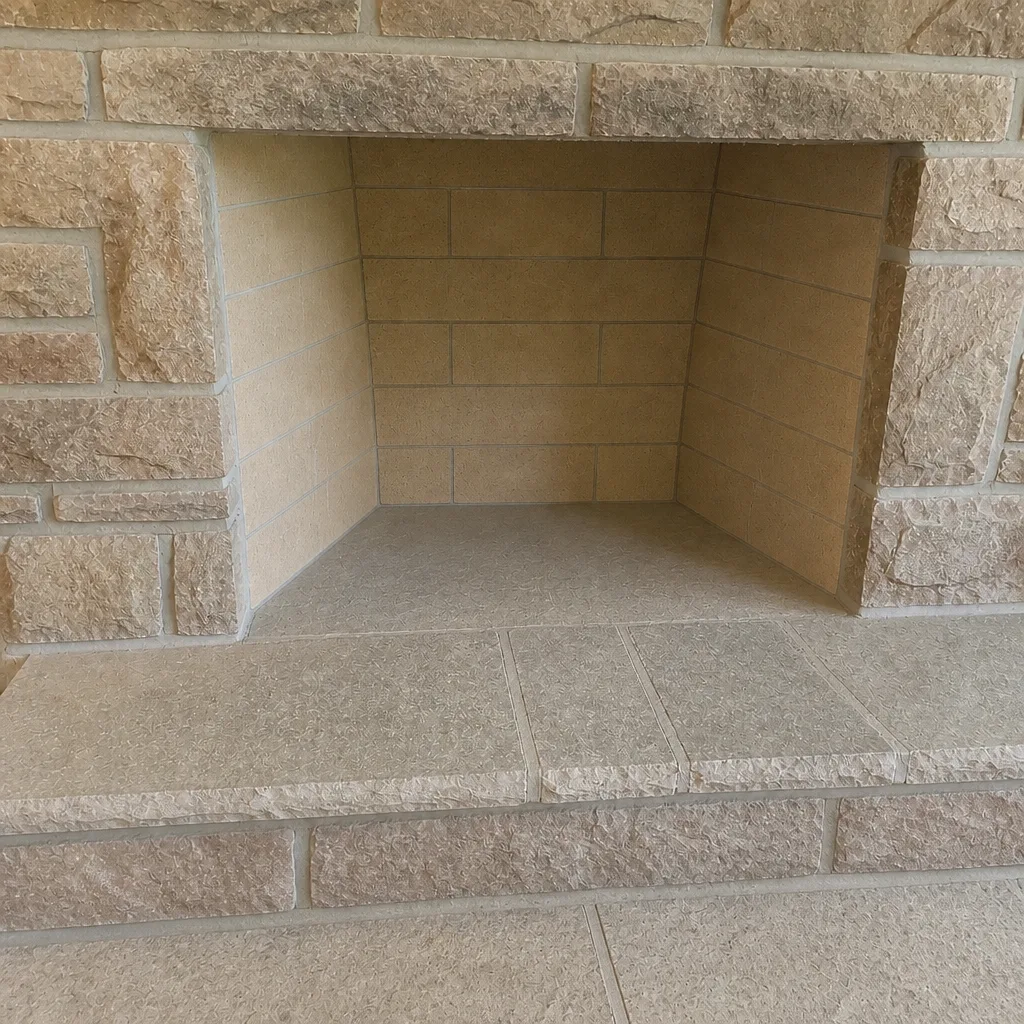
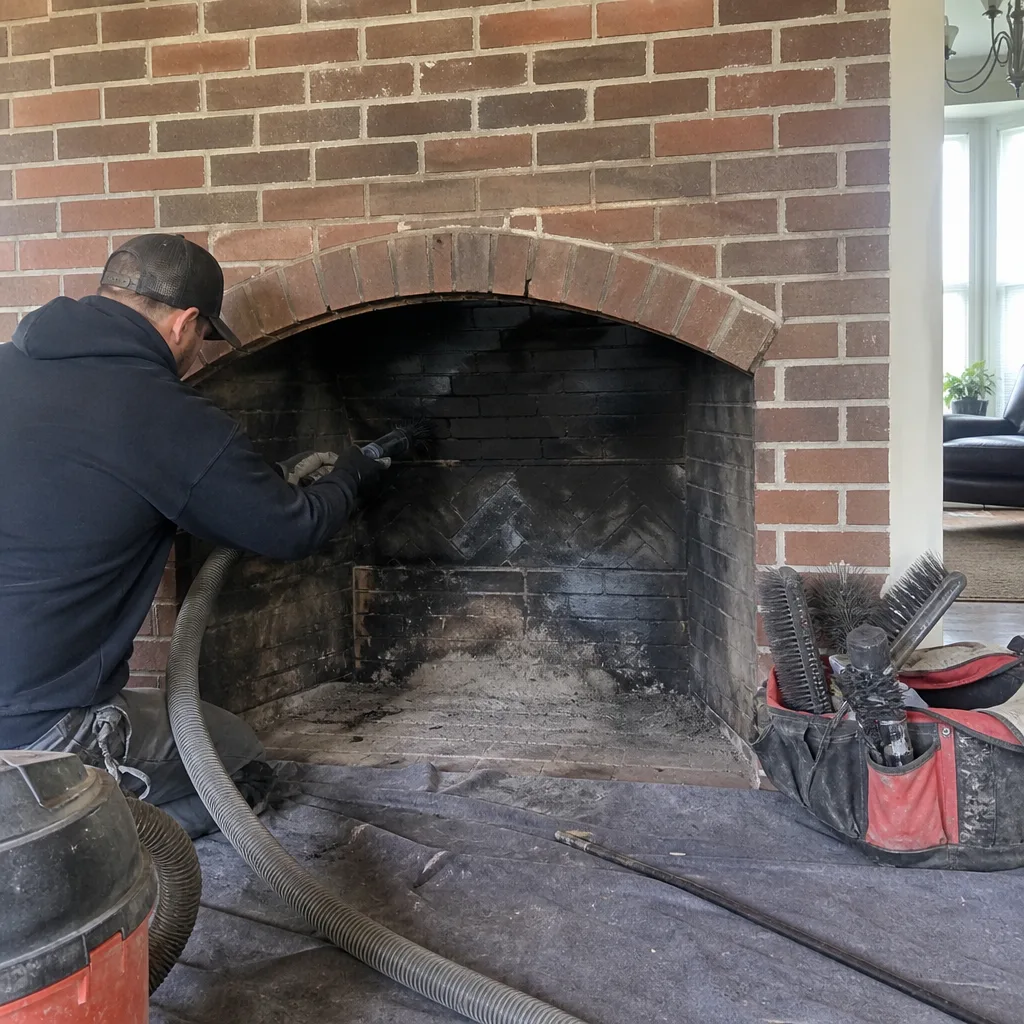
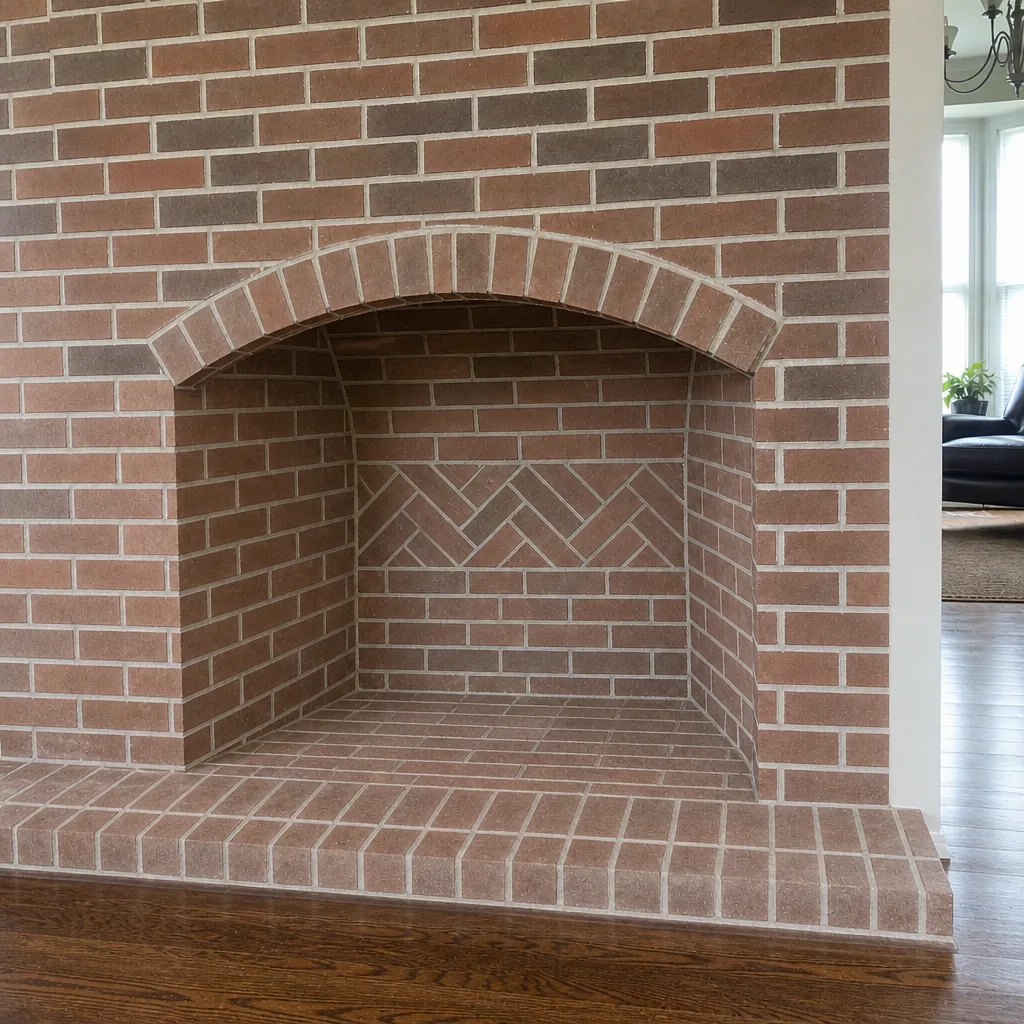
See the difference
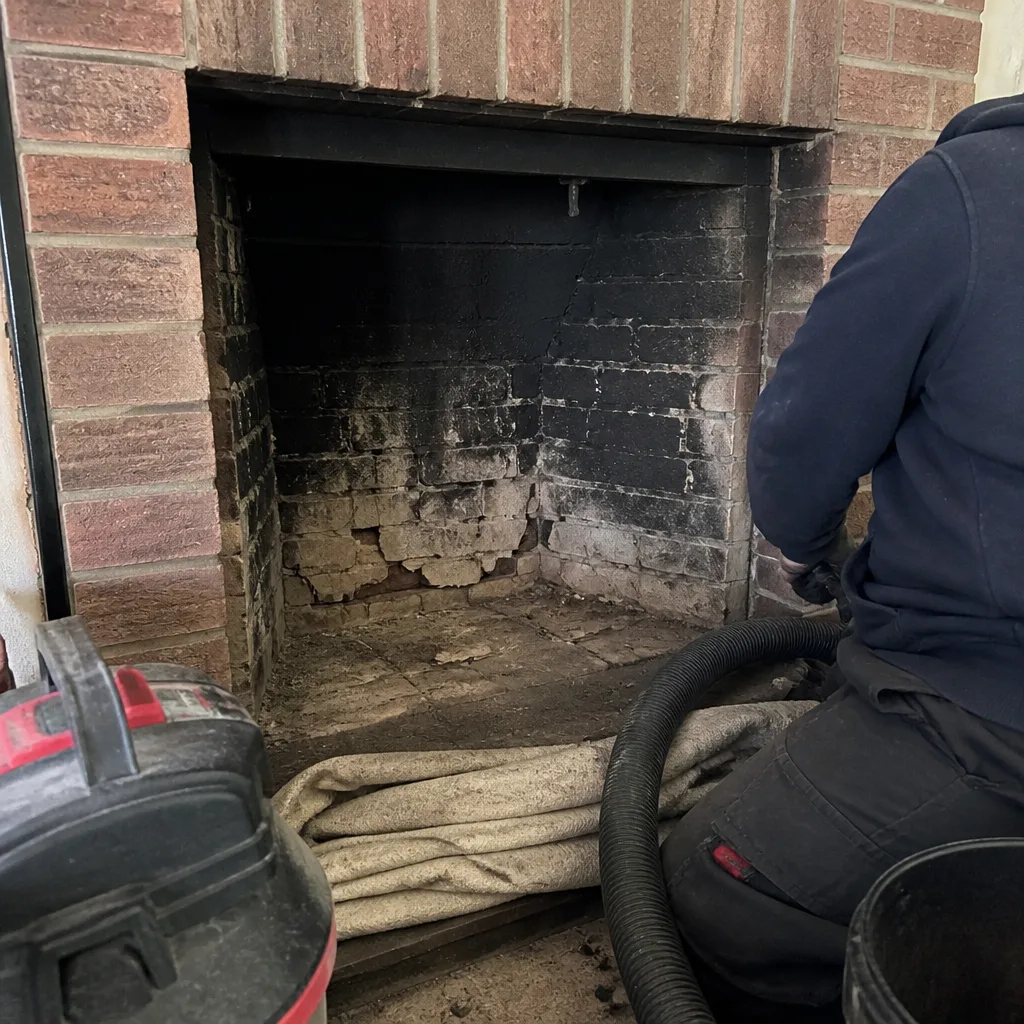 Before
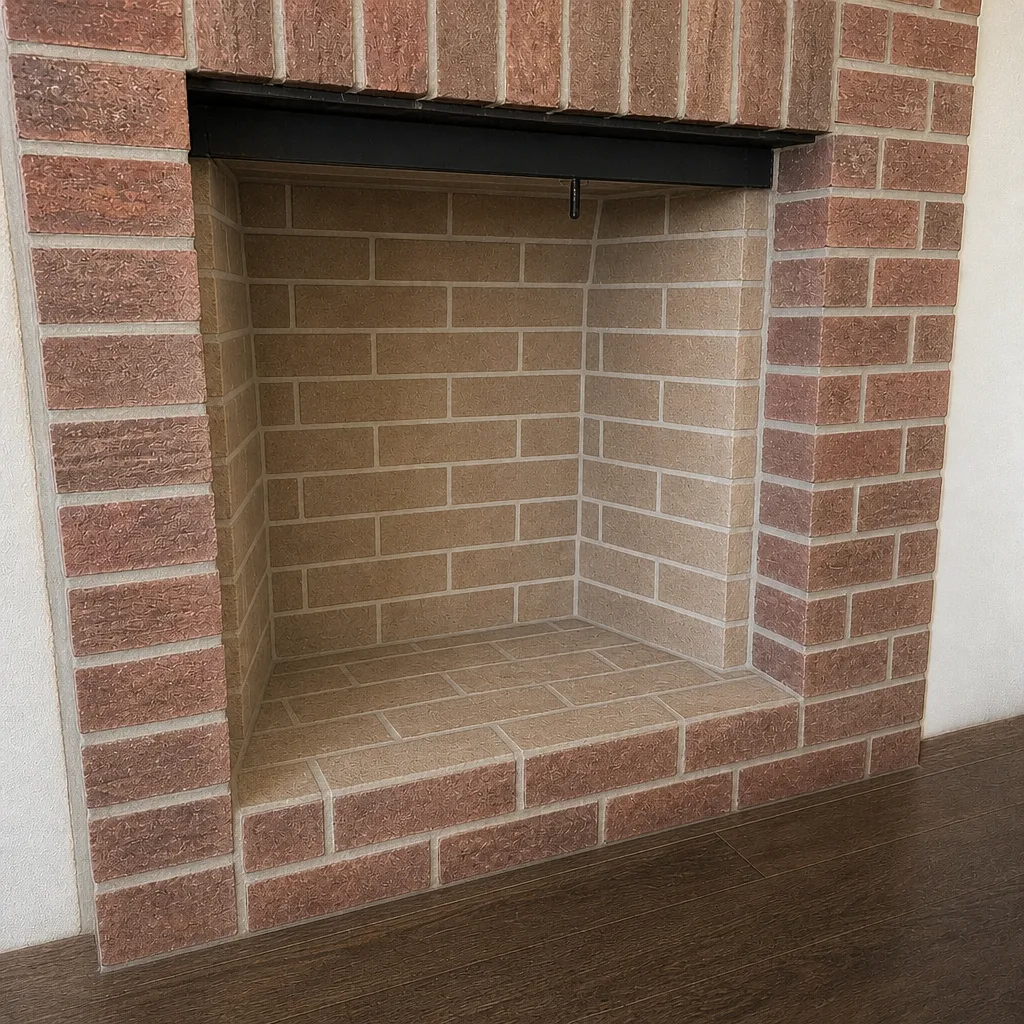 After
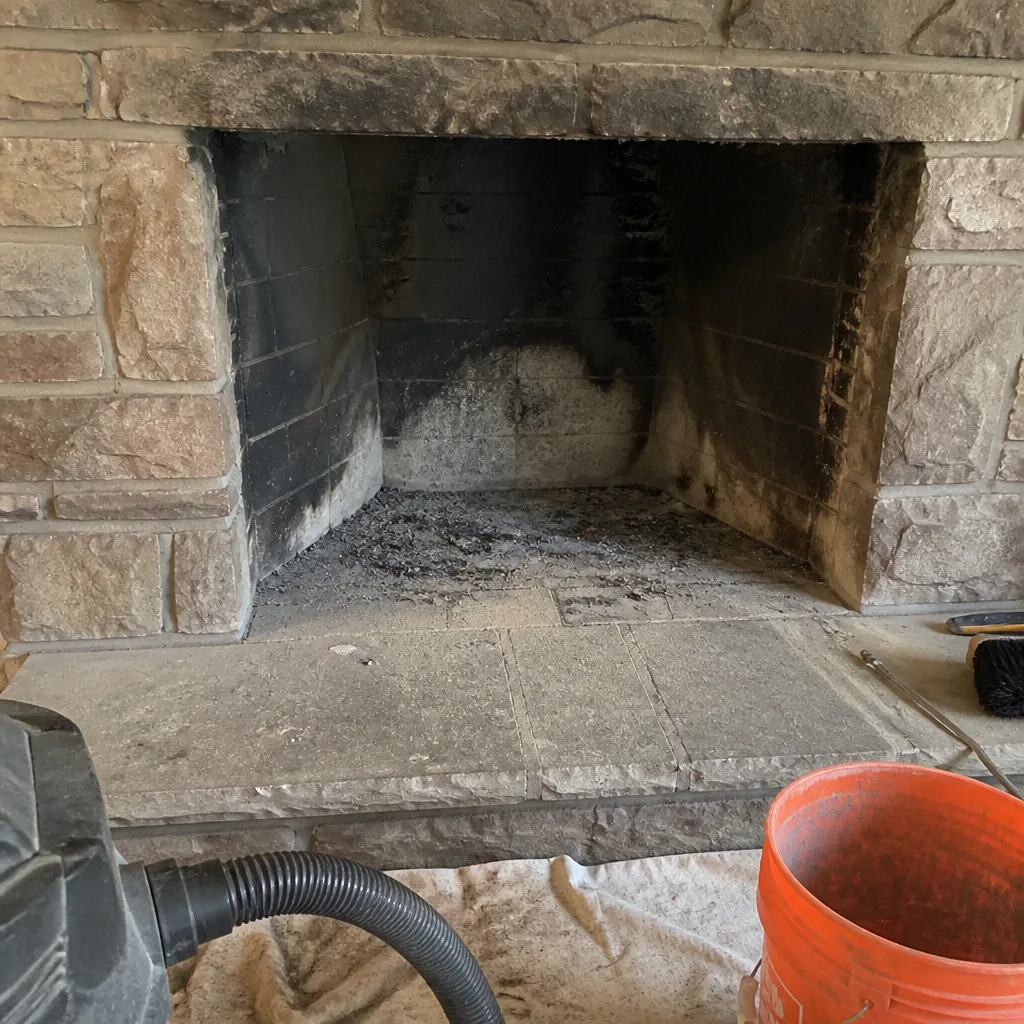 Before
 After
 Before
 After
Common Mistakes to Avoid
- Relighting after a chimney fire “just to see if it works.” It’s the single most damaging mistake we see. The flue can look fine and be structurally compromised. Wait for the inspection.
- Closing the flue damper on a roaring chimney fire. The instinct to suffocate the fire can push hot gases into the framing instead. Close the firebox doors, not the flue, and call 911.
- Skipping the sweep because “we didn’t burn much last winter.” Creosote doesn’t care about the calendar. A season with a handful of fires can still produce enough glaze to be a risk, especially with wood that wasn’t well seasoned.
- Letting a missing cap slide until spring. In Salt Lake City, an uncapped flue can be a home to birds or squirrels within weeks, and a nest is a direct fire risk the moment the fireplace is lit.
- Treating a visual flashlight check as an inspection. You can’t see the full flue from the firebox. A proper inspection uses a camera and covers the whole system, including the exterior.
- Ignoring water staining. It looks cosmetic and it isn’t. By the time you see interior staining, the crown or flashing has likely been leaking for a while, and freeze-thaw through the winter widens the damage.
- Burning unseasoned wood to save money. It produces more creosote and more smoke, which is worse for your flue and worse for Salt Lake City air during an inversion. Seasoned firewood is the cheaper move over the long run.
Frequently Asked Questions
A chimney fire often sounds like a low, roaring rumble, similar to a distant freight train, with sharp popping and crackling that’s louder than normal firewood. It can also produce a tapping or vibrating sound from the flue. If the sound is accompanied by smoke pushing into the room, get everyone out and call 911.
Not always. Closing the damper can help if the fire is small and confined to the firebox, but it can make things worse if the fire is burning inside the flue, because it traps hot gas and can force it into the home’s framing. The safest move is to close the firebox doors, get people out, and call 911. Call (866) 947-9124 for a post-fire inspection.
Most Salt Lake City chimneys should be inspected once a year, and more often if the fireplace or wood stove sees heavy use. If you’ve had a chimney fire, an animal intrusion, or any water damage, get an inspection before the fireplace is used again. An inspection gives you an honest baseline on the flue, cap, crown, damper, and firebox.
A sweep removes soot and creosote from the flue. An inspection evaluates the whole chimney system, including the flue, cap, crown, damper, and firebox, and identifies issues before they become emergencies. They’re separate services, and doing the inspection first is the honest starting point. Our chimney sweep and standalone inspection cover both.
Not until the chimney has been professionally inspected. A chimney fire can leave damage that isn’t visible from the firebox, including cracked tiles and gaps in the liner. A camera inspection and photo report are the standard required before relighting. Call (866) 947-9124 to schedule.
Yes. Inversions trap cold air in the valley and drive homeowners indoors, which increases heating system use at exactly the moment outdoor air quality is worst. That raises the risk of carbon monoxide backing up through a compromised flue. A pre-season inspection catches venting issues before the inversion sets in.
The Bottom Line
Chimney emergencies in Salt Lake City cluster around the first cold snap because homeowners light fires in systems that were compromised all summer and never inspected. The failures aren’t random: a blocked flue, a failed cap, a cracked crown, or a heavy creosote load. A pre-season inspection and sweep eliminate most of them. If a chimney fire happens, get people safe first, call 911, and don’t relight until the system has been professionally inspected with a camera. Know the signs of carbon monoxide, especially during inversion season. And when in doubt, get a qualified inspector to look before the season starts.
For full-system chimney care in Salt Lake City, our team covers sweeping, inspection, cap and crown work, fireplace repair, and chimney repair under one roof, using professional-grade materials from HeatShield, Gelco, Olympia Chimney, and Famco. Salt Lake City Chimney Sweep is ready to help. Call (866) 947-9124 for a free estimate. We answer 24/7. Fast dispatch from 7am to 7pm, Sunday through Friday.
Written by the team at Salt Lake City Chimney Sweep.