
Last updated November 25, 2026
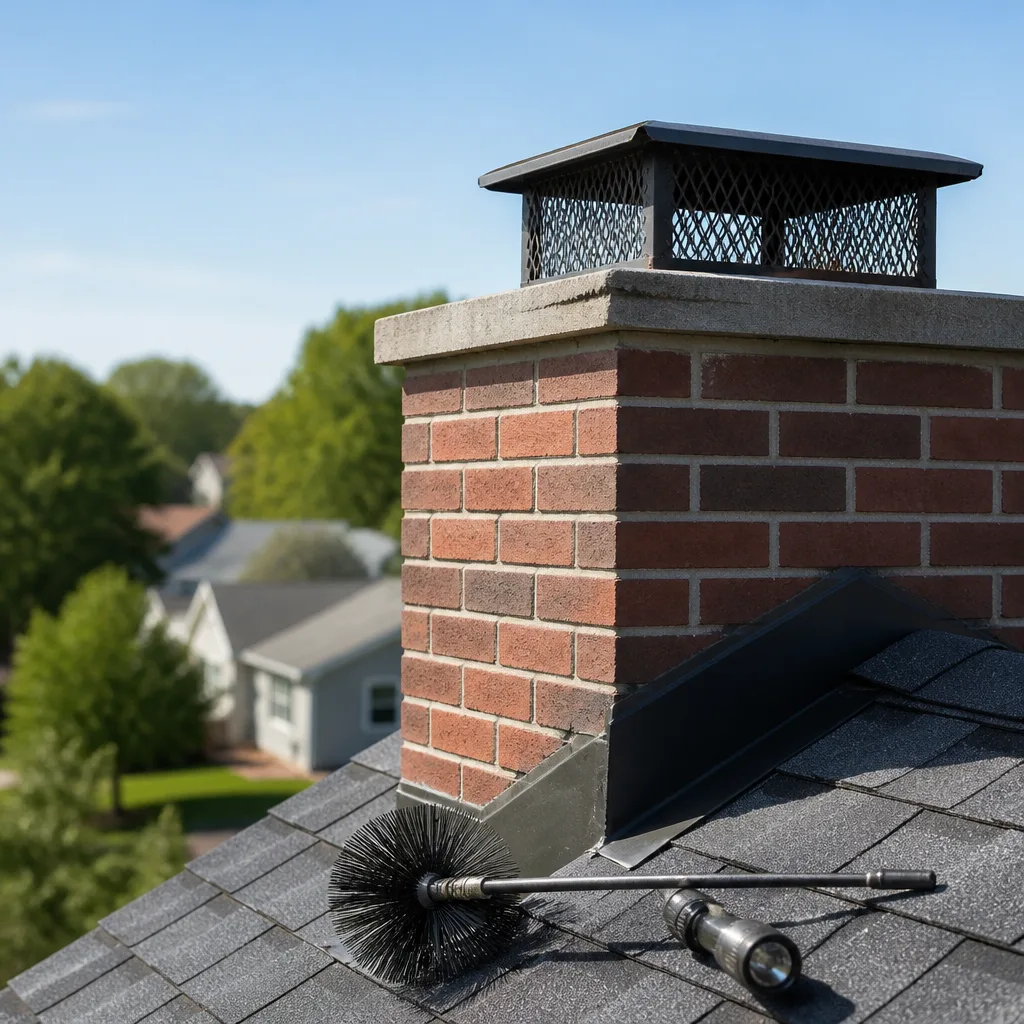 Sweep & inspection
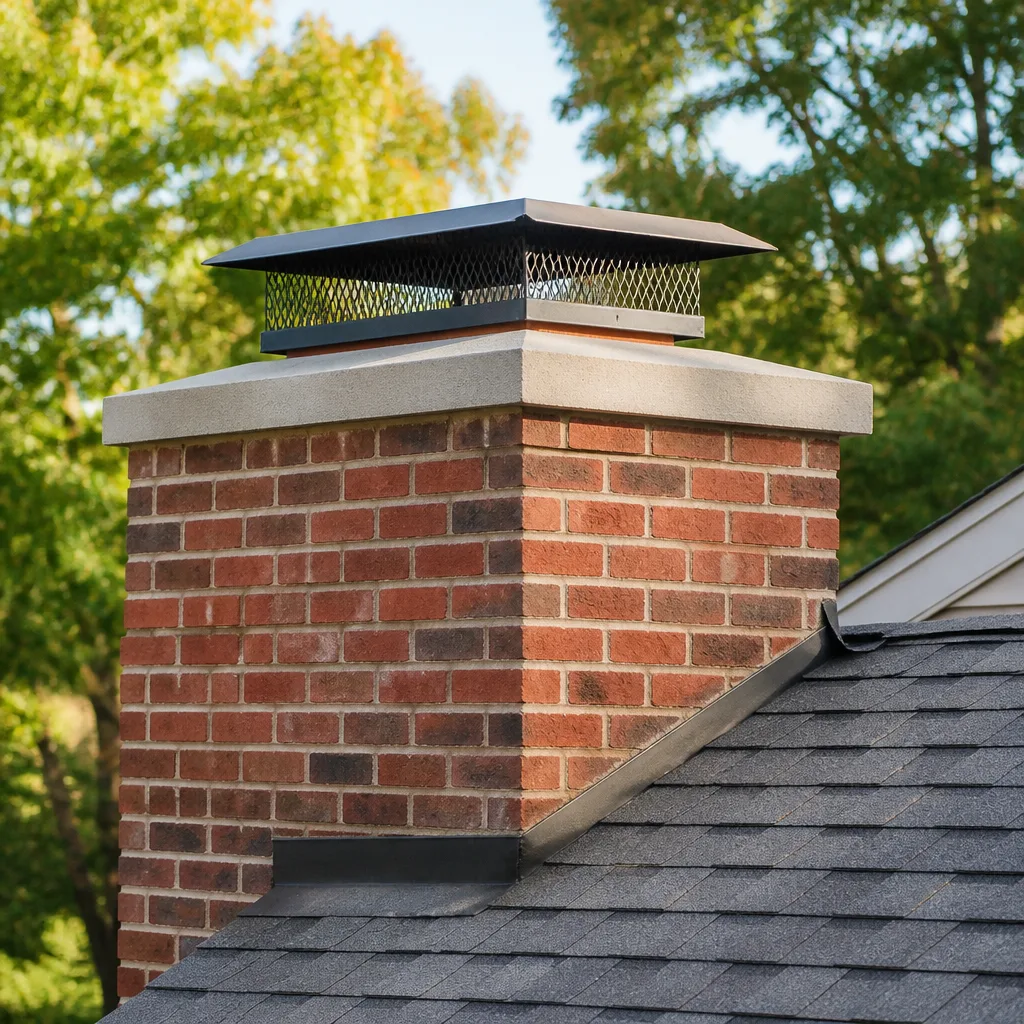 Caps & crowns
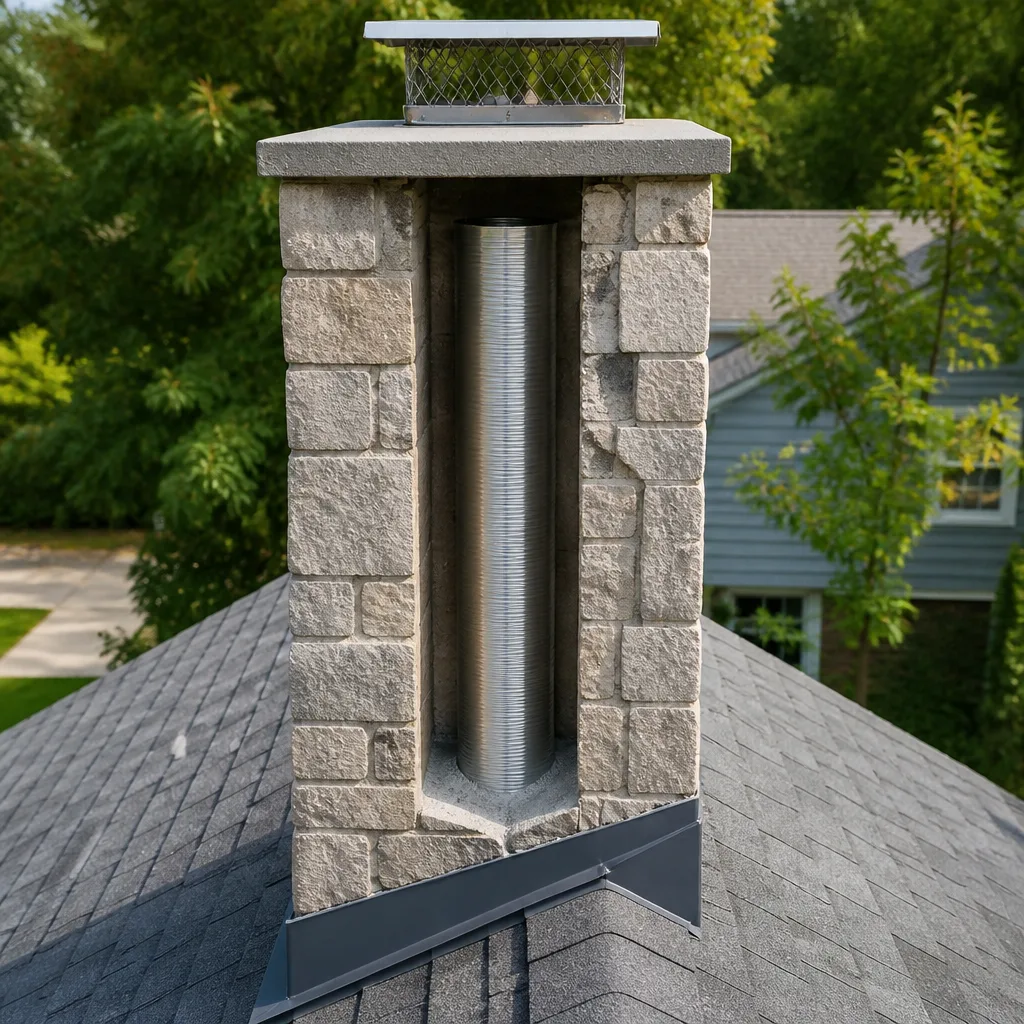 Flue relining
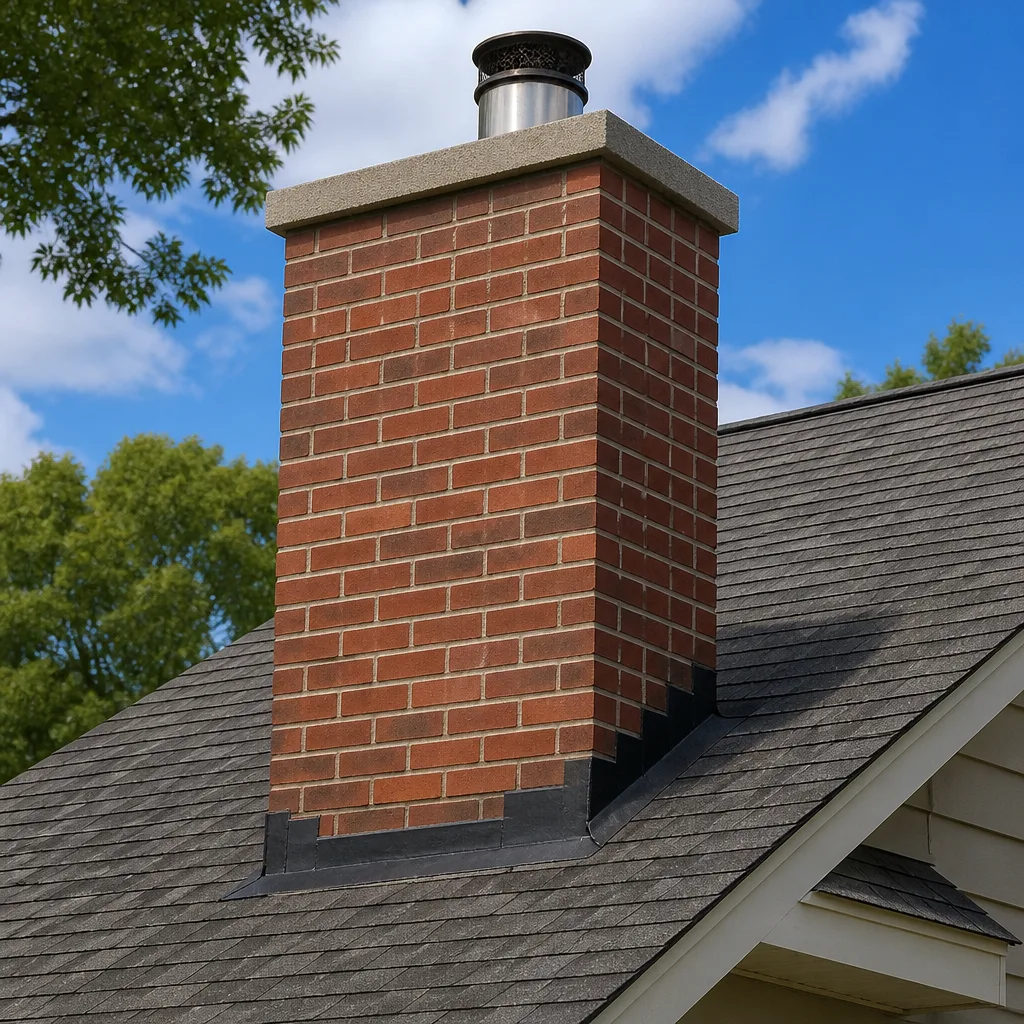 Masonry repair
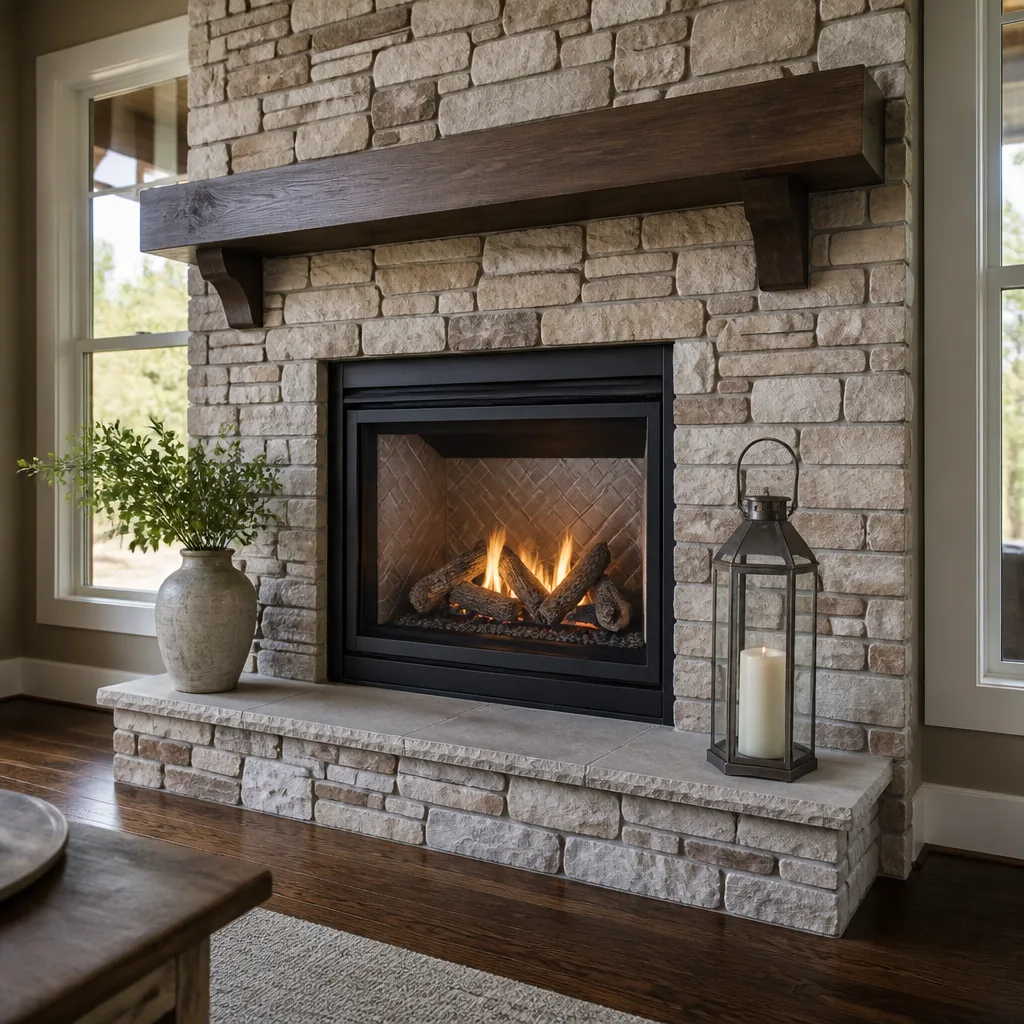 Gas fireplace service
Level 1 sweep and inspection to the NFPA 211 annual standard - flue, crown, cap, and flashing checked and photographed
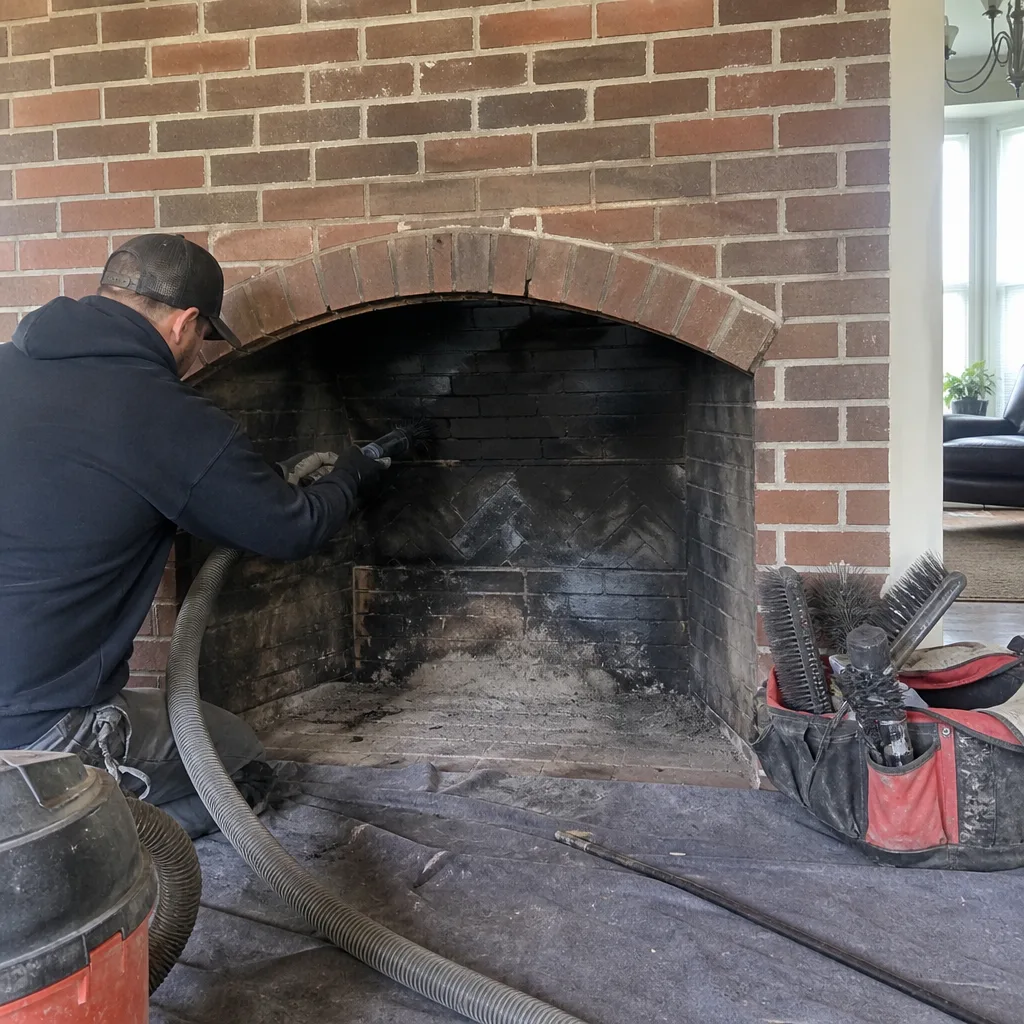
Chimney sweep logs do not sweep chimneys. They loosen some creosote - which then falls where a brush and vacuum still have to collect it.
Chimney Sweep Maintenance Schedule: What to Do and When
Most homeowners treat a chimney sweep as a once-a-year box to tick, usually in late fall when the first cold snap sends everyone scrambling for an appointment. That single sweep is the minimum the trade recommends, not the full picture of chimney maintenance. In Salt Lake City, the calendar that actually protects a chimney has more checkpoints than that: a pre-season review before the inversion season settles in, a mid-season look at how much creosote is building, and a post-season pass once freeze-thaw cycles have had their way with the mortar. The worst time to find a cracked cap is February during a cold snap, and that damage almost always starts in November, quietly, after the first hard freeze. Nobody looks up. This guide lays out a task-specific maintenance calendar tied to how Salt Lake City weather and burn habits actually treat a chimney, and shows which jobs you can do yourself on a fixed schedule and which ones need a professional’s instruments.
Quick Answer
Schedule a full chimney sweep and inspection once a year, ideally in early fall before the heating season starts, and book a mid-season check if you burn heavily through winter. Add two homeowner-level walk-arounds, one in late fall after the first hard freeze and one in early spring after the thaw, to catch cap, crown and flashing problems before water gets in. Any chimney with heavy use, a recent animal or water problem, or a change in how it draws should be looked at sooner rather than waiting for the annual date.
Styles & brands we work with
- Sweep & inspection
- Caps & crowns
- Flue relining
- Masonry repair
- Gas fireplace service
Table of Contents
- Why a Chimney Needs a Schedule, Not Just a Sweep
- The Pre-Season Checklist: What to Do in September
- Burning Through Inversion Season: Why January Checks Matter Here
- Post-Season Tasks: March and April After Freeze-Thaw
- What You Can Check Yourself vs. What Needs a Professional
- The Full-Year Maintenance Calendar at a Glance
- How Wood Type and Burn Frequency Change Your Schedule
- Common Mistakes to Avoid
- When to Call a Professional
- Frequently Asked Questions
Why a Chimney Needs a Schedule, Not Just a Sweep
A chimney is a system of parts that fail in different ways at different times of year. The flue collects creosote during burn season. The cap and crown take the brunt of weather year-round. The mortar joints between the bricks move with every freeze and thaw. A single annual cleaning addresses only the first of those. If you own a home in Salt Lake City with a working fireplace, you’re maintaining a system exposed to two very different stresses: the burn cycle inside and the weather cycle outside, and they don’t peak at the same time.
That’s why the trade recommends a calendar rather than a date. Each task on it answers a specific failure mode:
- Sweeping removes creosote and any debris that has fallen into the flue, keeping the flue clear and reducing the chance of a chimney fire.
- Inspection checks the parts you can’t see from the hearth: the flue lining, the damper, the smoke chamber, the crown, the flashing at the roofline.
- Cap and crown work keeps water and animals out, which is where most chimney damage actually starts.
- Fireplace and chimney repair handles what the inspection finds, from a cracked crown to a deteriorating flue liner.
The order matters. Inspect before you repair, and sweep before you inspect deeply, so the technician is looking at a clean flue and not a wall of soot. That sequence is why Salt Lake City Chimney Sweep treats inspection as a standalone service and not an upsell tacked onto a cleaning. You get a baseline on the system’s condition whether or not any work follows.
The Pre-Season Checklist: What to Do in September
September is the right month to get a chimney ready in Salt Lake City because the heating season ramps up in October and the valley’s inversion pattern can start trapping smoke and cold air early. Book the sweep and inspection before the first cold snap, when scheduling is calm and any needed repair can be done with time to spare. Waiting until you need the fireplace usually means discovering a problem you can’t fix that night.
Here’s the pre-season checklist, in the order it makes sense to work through:
- Book the annual sweep and inspection. This is the professional check that clears the flue and gives you a written picture of the system’s condition. Do it before the first fire, not after.
- Look at the cap from the ground. A missing, loose or rusted cap is the single most common cause of water intrusion and animal entry. Binoculars from the yard will tell you a lot.
- Check the firebox and damper. Open and close the damper fully to confirm it moves freely and seals. Look for loose bricks or cracked mortar in the firebox.
- Clear the hearth area. Move anything flammable away, make sure the screen or glass doors are intact, and confirm you have a working carbon monoxide alarm nearby. Combustion appliances need that alarm regardless of chimney condition.
- Have a look at the woodpile. Seasoned, dry wood burns cleaner and builds creosote more slowly than green or damp wood. If your wood isn’t seasoned, plan for a mid-season sweep.
- Note any water staining. Discoloration on the ceiling near the chimney chase or on the firebox walls is a signal that something above the roofline is letting water in. Flag it before winter makes it worse.
If September slipped past, don’t skip the sweep just because the first cold night arrived. A clean, inspected flue matters more than the date on the calendar.
Burning Through Inversion Season: Why January Checks Matter Here
Salt Lake City burns more wood in January than in any other month, partly because the valley’s inversion pattern traps cold air and makes people keep the fire going longer and hotter. That heavier burn has a direct effect on creosote. The more fires you light in a season, the more creosote accumulates in the flue, and creosote is what fuels a chimney fire when it builds up enough. A schedule based on “one sweep a year” doesn’t account for a homeowner who burns every night from November through February.
In our experience, a mid-season check is the task most homeowners skip, and it’s the one that catches trouble early. It doesn’t always mean a full sweep. It means:
- Looking at the firebox and flue throat for glazed or crusty creosote, which burns hotter and is harder to remove than the fluffy kind.
- Confirming the cap is still seated after winter storms and wind have had a go at it.
- Watching how the fire behaves. A fire that starts smoky or slow to draw can signal a partially blocked flue or a damper problem.
- Checking for soot streaks above the firebox opening or around the damper, which point to a draft problem you want addressed before spring.
If you’re in Salt Lake City and you’ve burned most nights since October, a January or early February sweep is worth booking even if your annual service was in September. Two sweeps in a heavy-burn year is not excessive. It’s matched to how you actually use the fireplace. The chimney sweep we perform includes a camera inspection and photo report so you can see exactly what’s in the flue, not just take someone’s word for it.
One safety note here: creosote ignites at the temperatures a wood fire can reach, and a chimney fire can go unnoticed and do structural damage before anyone realizes it happened. That’s the reason for the mid-season check, not a scare tactic. Most chimneys are fine. The ones that aren’t are usually the ones nobody looked at between October and March.
Post-Season Tasks: March and April After Freeze-Thaw
Spring brings the other half of the chimney story. Salt Lake City’s freeze-thaw cycles work on the masonry all winter: water gets into small cracks in the mortar or the crown, freezes, expands, and then thaws, widening the crack a little each time. By March the damage that wasn’t visible in October often is. The post-season pass catches it before the wet spring weather pushes water deeper into the chimney structure.
The spring checklist:
- Walk the yard and look up at the crown. The crown is the concrete or mortar cap at the top of the chimney that sheds water away from the masonry. Hairline cracks, crumbling edges or a crown that has pulled away from the flue are all signs freeze-thaw has done its work.
- Check the flashing at the roofline. This is where the chimney meets the roof. Lifted or rusted flashing lets water run straight down the chase.
- Look for efflorescence. A white, powdery stain on the exterior brick means water is migrating through the masonry and drying on the surface. It’s a signal, not an emergency.
- Inspect the firebox interior for moisture and any rust on the damper. Rust in the firebox after a wet season is worth a professional look.
- Confirm the cap is intact after winter. Ice, wind and animals all take a toll between November and March. A cap that needs replacing now will protect the chimney through the next season.
Spring is also the smart time to schedule repair work if the inspection turned something up. The chimney cap & crown service addresses the two most common entry points for water and animals, and doing it after the thaw means the new work isn’t tested by freezing weather until it’s had time to cure. For interior work like a deteriorated flue, our technicians use HeatShield, a ceramic resurfacing system that can restore a flue without full replacement in the right conditions. It’s a repair-first option, and whether it fits your chimney is a judgment the inspection should settle.
What You Can Check Yourself vs. What Needs a Professional
Some chimney tasks are simple visual checks a careful homeowner can do on a fixed seasonal schedule. Others need instruments, training and a camera, and attempting them yourself is either pointless or dangerous. Knowing the difference is what keeps the maintenance schedule realistic instead of overwhelming.
Homeowner tasks, done on schedule:
- Visual check of the cap, crown and flashing from the ground, twice a year, with binoculars.
- Operating the damper fully at the start of the season and noting how it moves.
- Looking in the firebox for cracked bricks, loose mortar or moisture staining.
- Keeping the hearth clear and confirming the carbon monoxide alarm works.
- Watching how the fire draws and noting any change from previous seasons.
Tasks that need a professional:
- The annual sweep itself. Removing creosote from a flue requires the right brushes and rods to avoid damaging the liner, and a proper sweep clears the smoke chamber and shelf, not just the firebox. High-strength creosote can be stubborn and dangerous to attack from a stepladder.
- Camera inspection of the flue. Wind and weather aside, this is the only way to see the whole interior lining, joints and connections. It’s also the only way to verify whether work is actually needed.
- Any work at the roofline. Cap and crown work is a height job. Falls are a real risk, and getting it wrong means a leak you didn’t have before.
- Liner work and structural repair. Relining and resurfacing are technical installations, and they must be sized and installed to match the appliance. This is where fireplace repair and chimney repair meet, and where professional-grade materials make the difference between a fix that lasts and one that fails in a season.
- Any gas appliance venting. A gas fireplace or appliance vent carries different risks than a wood flue, and a routine visual check isn’t enough. Leave it to a trained technician.
One more rule: don’t go onto the roof to check the cap yourself unless you’re comfortable and equipped for it. The view from the ground is safer and usually enough to tell you whether a professional visit is needed.
The Full-Year Maintenance Calendar at a Glance
Here’s the whole schedule compressed into a month-by-month framework. Use it as the spine of your maintenance routine and adjust the specific dates to how heavily you burn and what the inspection finds.
| When | Task | Who Does It |
|---|---|---|
| September | Book annual sweep and inspection before heating season | Professional |
| September | Clear the hearth, confirm carbon monoxide alarm, check wood supply | Homeowner |
| October | First fires of the season; note how the chimney draws | Homeowner |
| November | Walk-around after the first hard freeze: cap, crown, flashing | Homeowner |
| January or February | Mid-season creosote check and sweep if burning heavily | Professional |
| March | Post-season check for moisture, efflorescence, cap damage | Homeowner |
| April | Schedule repairs found in inspection; spring is the calm window | Professional |
| May to August | Book inspection for a home sale or purchase; repair anything outstanding | Professional |
A couple of details that matter for Salt Lake City specifically. The valley’s burn season and inversion pattern make October through February the busiest stretch for a fireplace, so the calendar above front-loads the professional work into September and back-loads repair into spring. That way the heavy-use months are covered by a clean, inspected flue and the repair work happens when the weather lets materials cure properly. Summer is the quiet window for inspections and repairs, and it’s also the time to book one if you’re buying or selling a house. A credible inspection report does more for a sale than a clean firebox.
How Wood Type and Burn Frequency Change Your Schedule
The calendar above assumes a moderate burn habit. Your actual schedule should compress or stretch based on two variables: how much you burn and what you burn. Both of them push creosote accumulation up or down, and creosote is the main thing the sweep exists to remove.
Burn frequency. A homeowner who lights a fire a few weekends a season can often go a full year between sweeps. A homeowner who burns every night from October through March is a different case, and a mid-season sweep in January or February is the safer default. There’s no fixed number of fires that triggers it. The honest answer is that heavy use earns a second look mid-season, and a camera inspection tells you whether the flue needs it.
Wood type and condition. Dry, seasoned hardwood burns cleaner and produces less creosote than green wood or softwood. If your wood is damp or you’re burning whatever was delivered, buildup happens faster. A few practical points:
- Seasoned wood, split and dried for at least a season, is the standard. It should look gray and feel light.
- Softwoods like pine burn hot and fast and can leave more creosote, so they’re better used to start a fire than to carry it.
- Never burn treated lumber, painted wood, cardboard or trash. Treated wood releases corrosive compounds that attack the flue, and trash burns unpredictably.
- If you can’t tell whether your wood is seasoned, assume it isn’t and schedule the sweep earlier.
In Salt Lake City, the local wood supply and the long burn season mean many homes burn enough to warrant the compressed schedule. If you’re not sure which schedule you’re on, the annual inspection is the tool that tells you. The technician sees the creosote layer and can recommend a cadence based on what’s actually in your flue, not a generic rule.
Common Mistakes to Avoid
- Waiting until the first fire to schedule a sweep. By then, the schedule is driven by panic and you’re competing with every other homeowner in the valley. Book in September when there’s room to fix what the inspection finds.
- Skipping the mid-season check after a heavy burn year. A homeowner who burned nightly through the inversion season is a different case than one who lit a few fires. A second look in January or February is matched to how you actually use the fireplace.
- Treating the cap as cosmetic. A missing or cracked cap is the start of most water intrusion and animal entry, and it’s cheapest to fix before the damage shows up inside. The Salt Lake City Chimney Sweep team treats cap and crown work as core maintenance, not an add-on.
- Judging the chimney by what you can see from the hearth. The flue lining, smoke chamber and crown are where problems live, and they’re invisible without a camera. A clean firebox tells you very little.
- Ignoring white staining on the brick. Efflorescence in Salt Lake City after a freeze-thaw winter is a moisture signal. Left alone, it points to water working through the masonry.
- Letting a “sweep only” company leave the cap and crown unresolved. Sweeping clears the flue but does nothing for the roof-level problems that cause most long-term damage. Full-system care means the sweep, the inspection, the cap and crown, and any repair fall to one specialist.
- Burning green or damp wood through the cold months. It burns cooler and dirties the flue faster. If you’ve been burning green wood, shorten the interval between sweeps.
When to Call a Professional
Some signals mean schedule a visit now rather than wait for September. Call a professional if you notice any of the following: a strong or persistent smoky smell in the room when no fire is lit; soot falling into the firebox or streaking above the opening; water staining on the ceiling near the chimney or on the firebox walls; an animal in the flue or evidence of one; a cracked or missing cap you can see from the ground; a fire that draws poorly or smokes into the room; or a gas appliance vent that hasn’t been checked. If you’re buying or selling a home, book an inspection so the report is credible and current.
We answer 24/7 at (866) 947-9124, and fast dispatch runs from 7am to 7pm, Sunday through Friday. Salt Lake City Chimney Sweep offers free estimates in Salt Lake City. Estimates are free, and the estimate is set per job by the written estimate. Our technicians have up to 14 years of experience across the five services we provide: sweeping, inspection, cap and crown installation, fireplace repair, and chimney repair.
Frequently Asked Questions
Once a year is the minimum for a chimney in regular use, and it should be scheduled in early fall before the heating season. If you burn most nights through the inversion season, a mid-season sweep in January or February is worth adding, because heavier use builds creosote faster. A camera inspection is the way to know whether your specific chimney needs the second sweep.
Creosote builds up in the flue and becomes the fuel for a chimney fire, which can burn hot enough to damage the flue lining and the structure around it. It won’t happen every winter, but the risk grows with each season you skip. Skipping also lets small issues like a cracked cap or a loosened flashing go unnoticed until water damage shows up inside. Call (866) 947-9124 for a free estimate.
Yes, and you should. From the ground with binoculars, look at the cap, crown and the area where the chimney meets the roof. Indoors, check the firebox for cracked bricks or moisture, operate the damper, and watch how the fire draws. Look for soot streaks above the firebox opening. What you can’t check yourself is the inside of the flue, and that’s what the annual inspection is for.
Not always, but more often than most homeowners assume. In Salt Lake City, the inversion pattern keeps people burning through long stretches, and creosote accumulation tracks how much you burn. If you’ve burned most evenings from October into January, a check before spring is a reasonable call. The technician can tell you whether the flue actually needs a sweep or just a look.
Spring and early summer, after the freeze-thaw damage has shown itself and before the next heating season. The weather is mild enough for materials to cure properly, and the scheduling is calm compared with the fall rush. If an inspection turns up a cracked crown or a damaged flue, doing it in spring means you’re ready for October without a scramble. Call (866) 947-9124.
Yes, and book it as a standalone service rather than accepting whatever a general home inspector said. A camera inspection of the flue, plus a look at the cap, crown and flashing, gives you a written, photo-backed basis for negotiating repairs or knowing what you’re taking on. A clean firebox is not evidence of a sound chimney.
The Bottom Line
The right chimney maintenance schedule for a Salt Lake City home has more than one checkpoint. Book a sweep and inspection in September, before the inversion season starts. Add a mid-season check if you burn heavily through winter, because that’s when creosote builds fastest. Do a homeowner walk-around after the first hard freeze and again after spring thaw, looking at the cap, crown and flashing. And keep a professional on call for anything at the roofline or inside the flue, since those are the jobs that need training and the right tools. Inspect before you repair, and you’ll only fix what actually needs fixing. Our technicians have up to 14 years of experience and use professional-grade materials from DuraFlex, HeatShield, Gelco and Olympia Chimney. Call (866) 947-9124 for a free estimate. We answer 24/7. Fast dispatch from 7am to 7pm, Sunday through Friday.
Written by the team at Salt Lake City Chimney Sweep.
See the difference
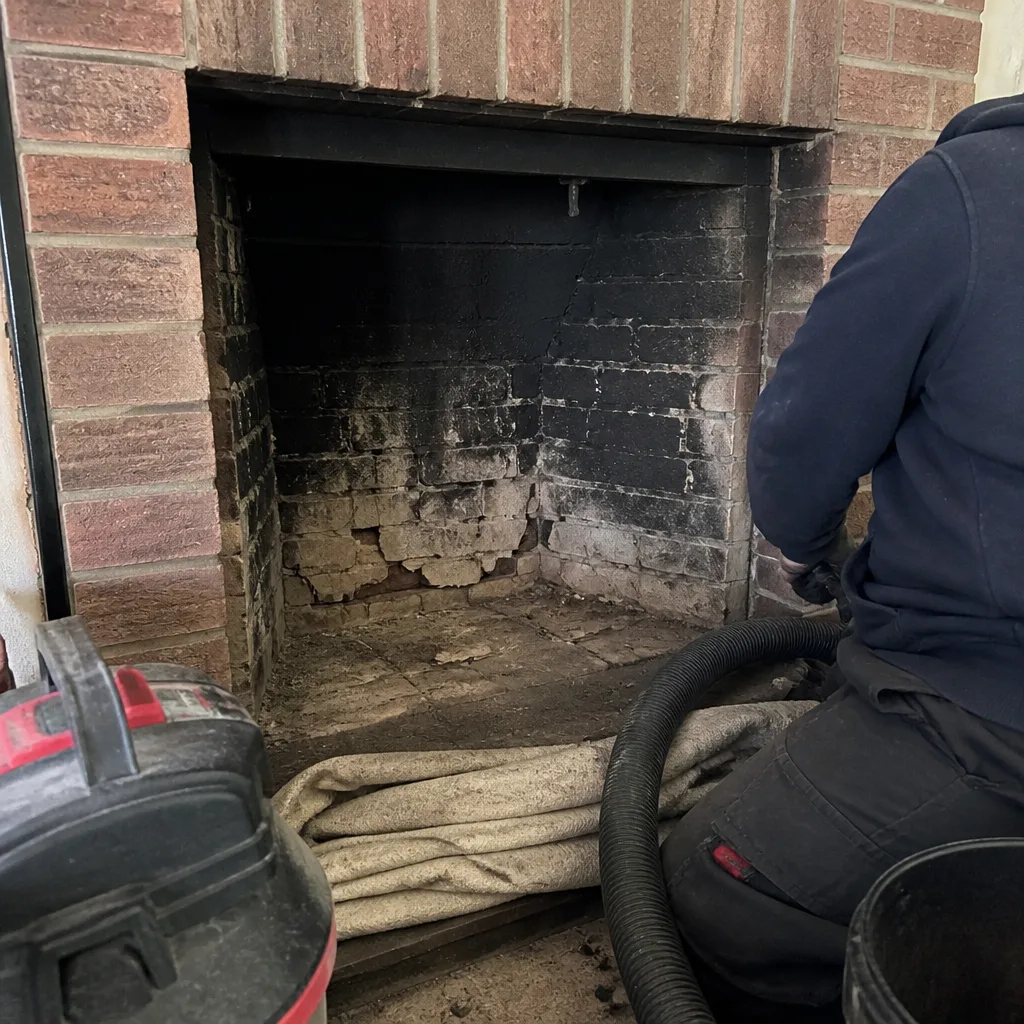 Before
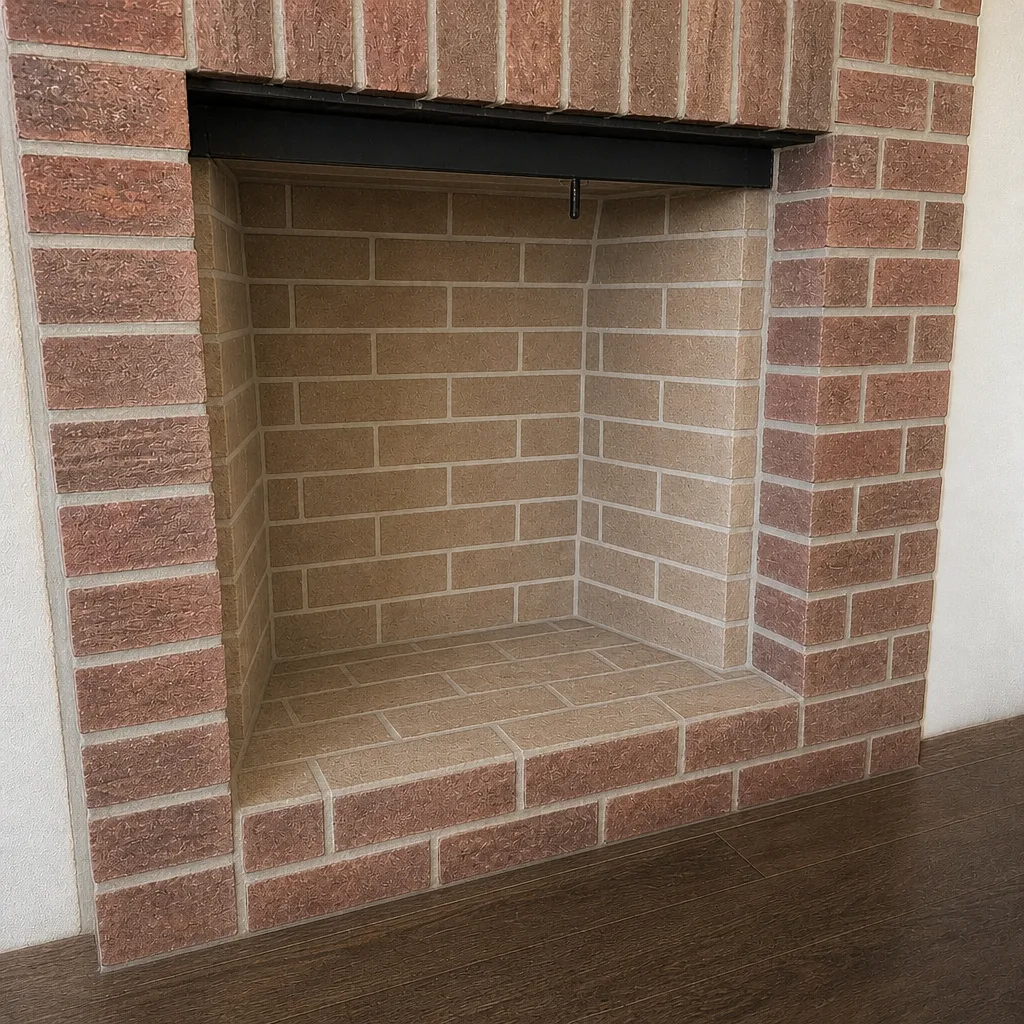 After
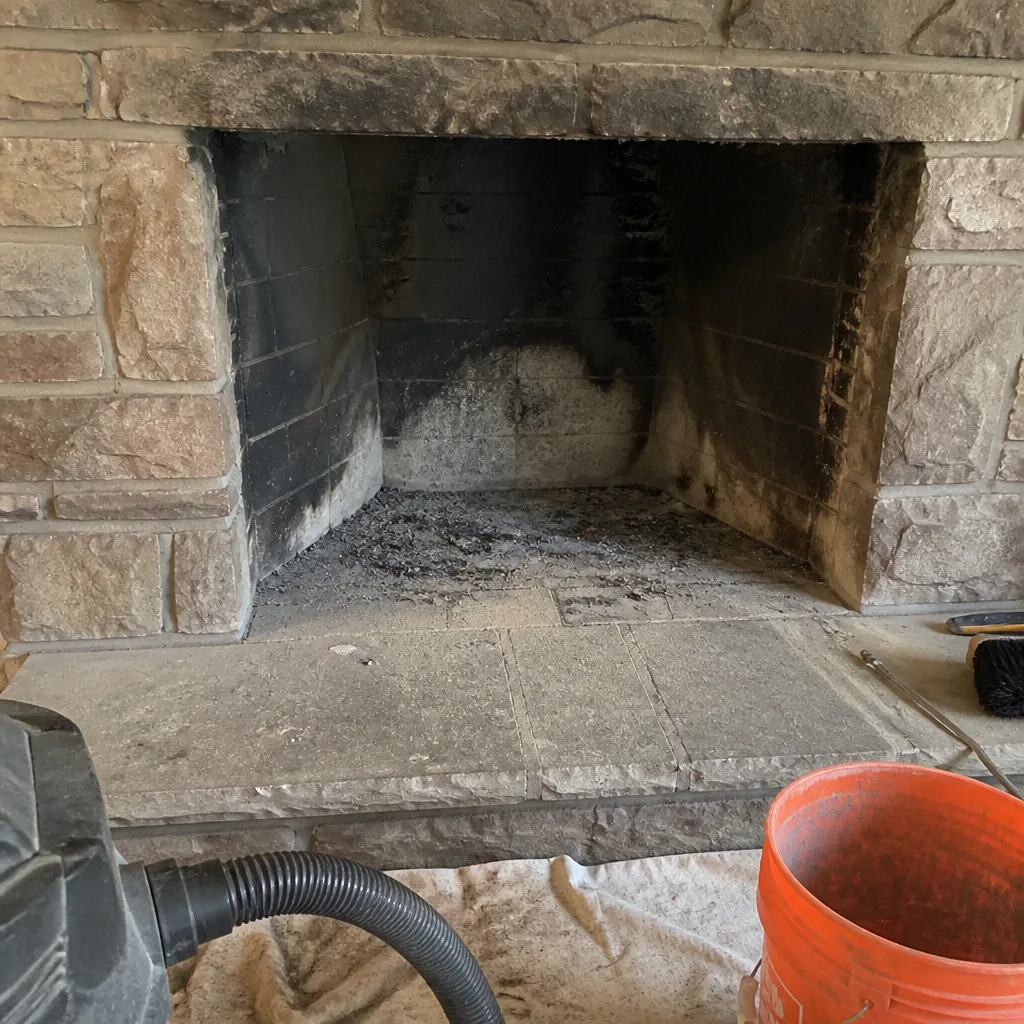 Before
 After
 Before
 After