
Last updated November 25, 2026
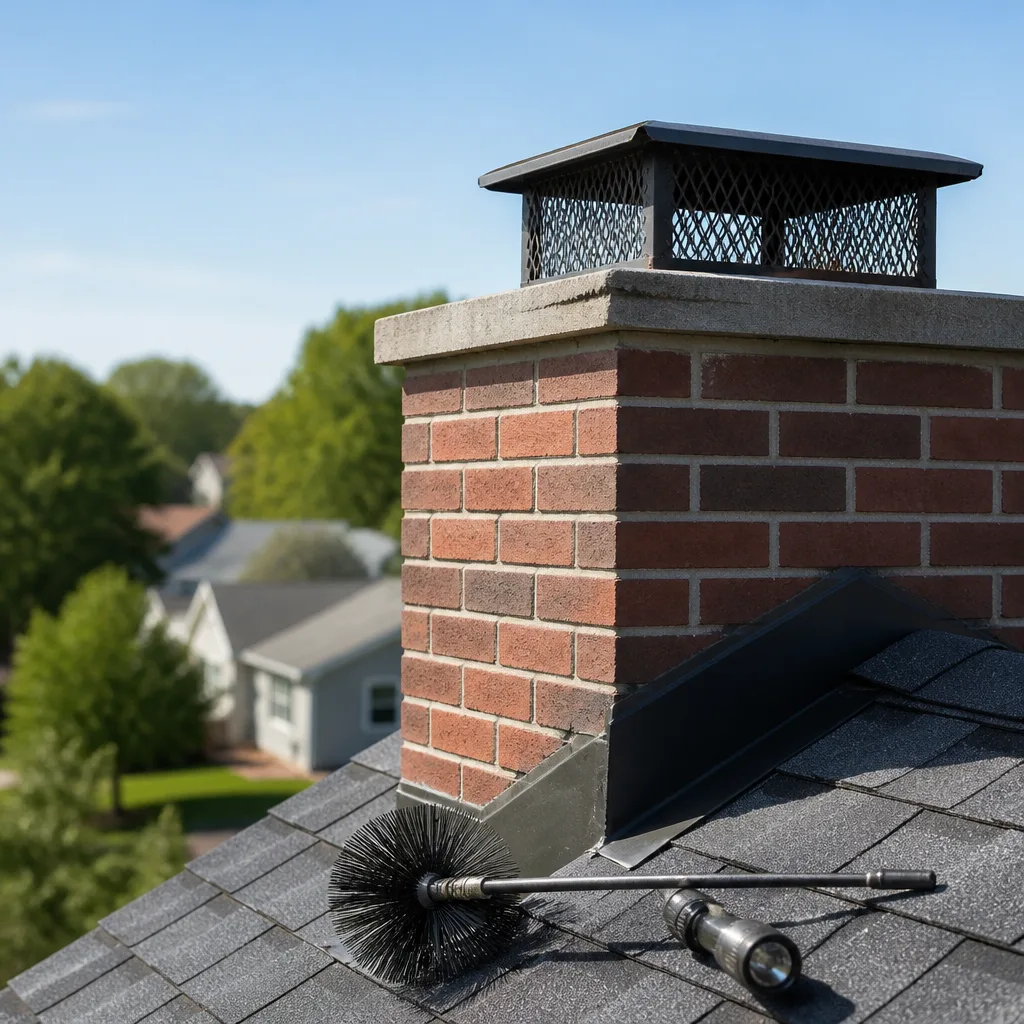 Sweep & inspection
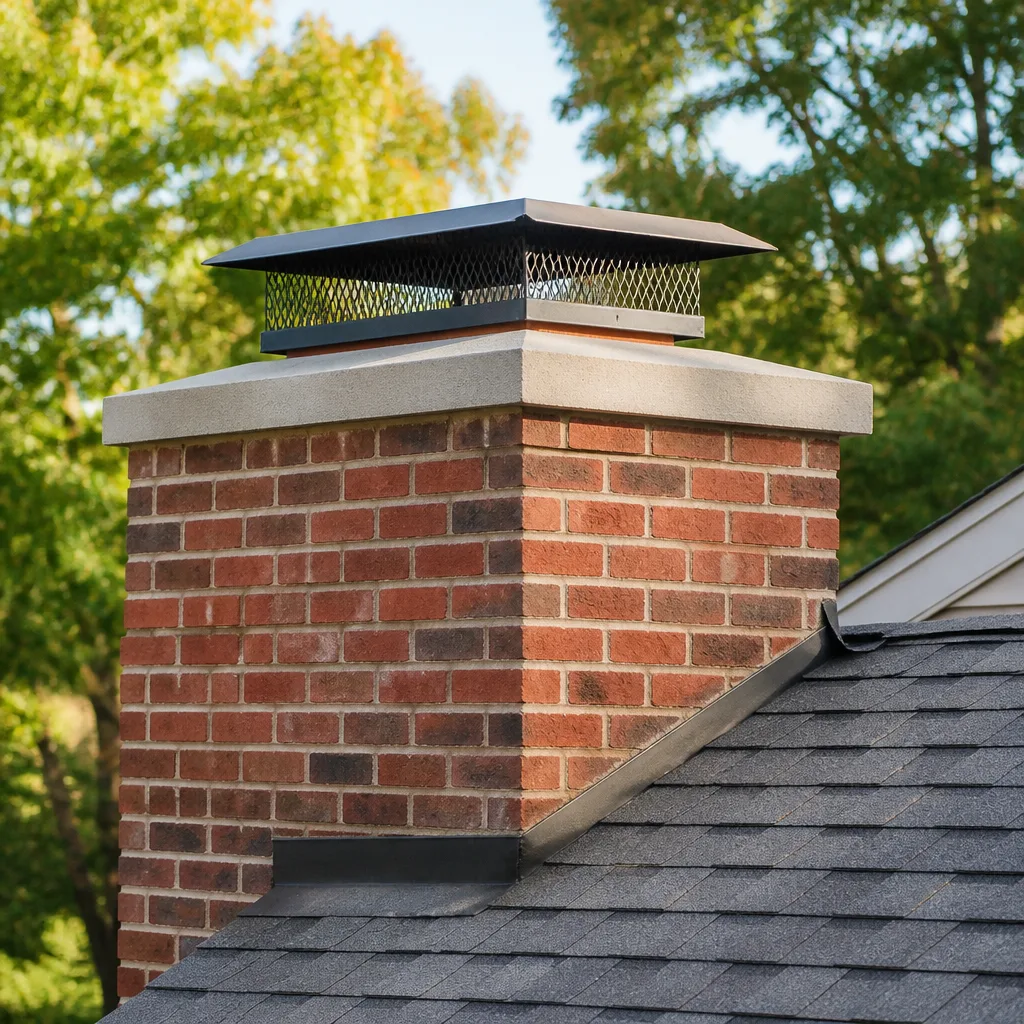 Caps & crowns
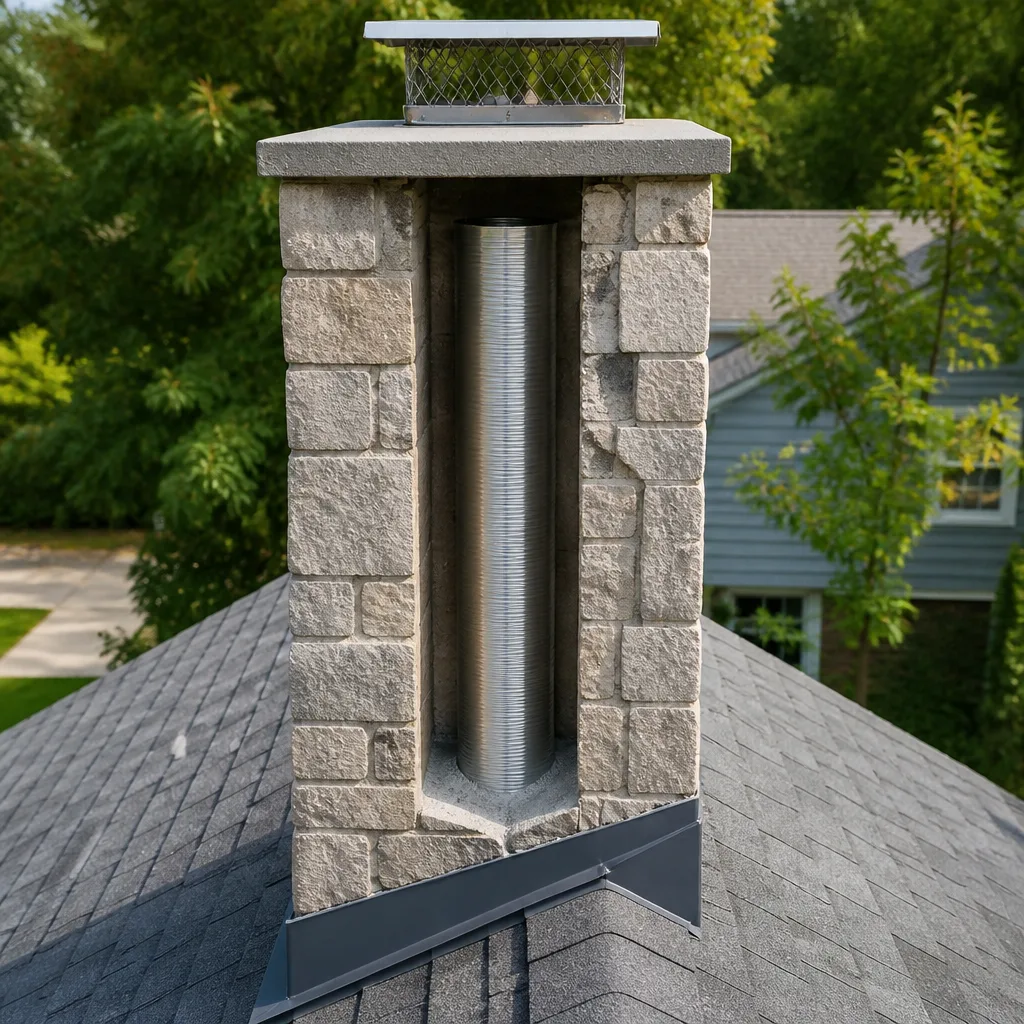 Flue relining
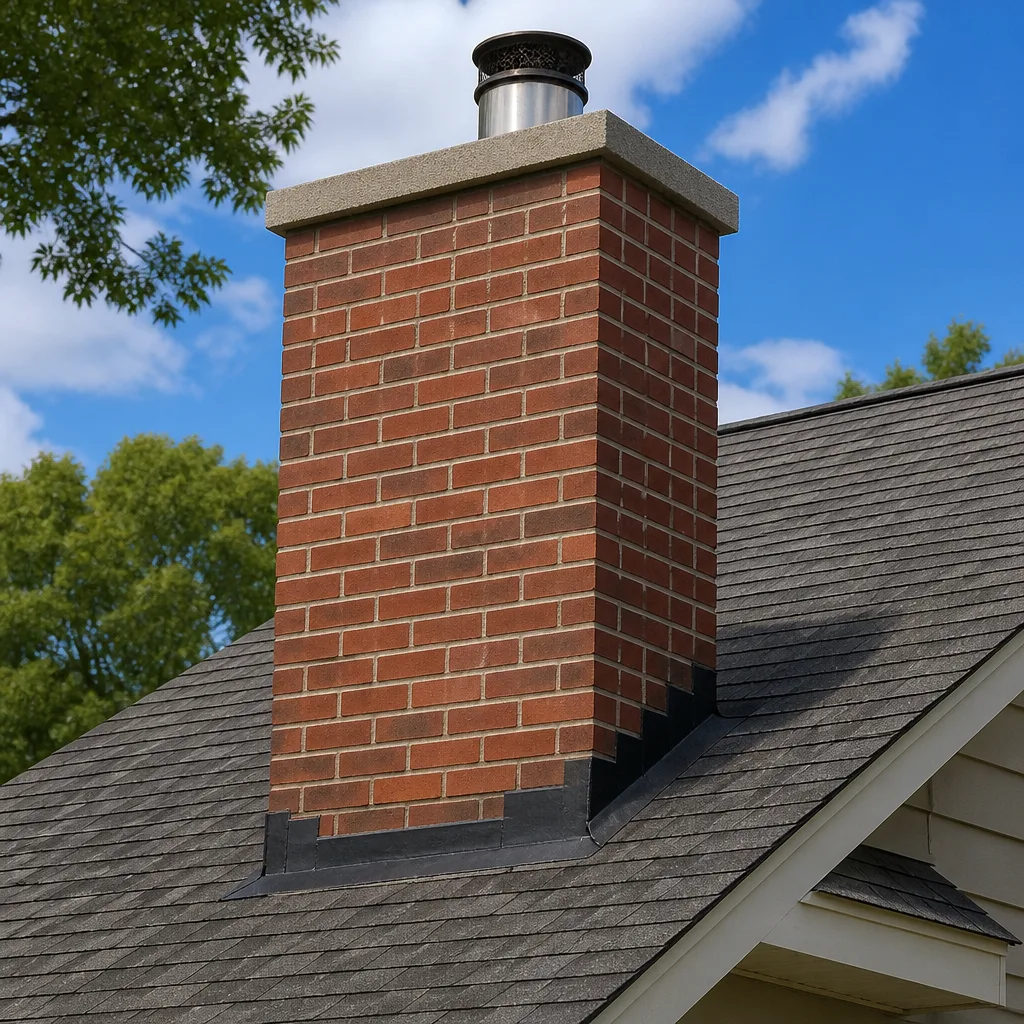 Masonry repair
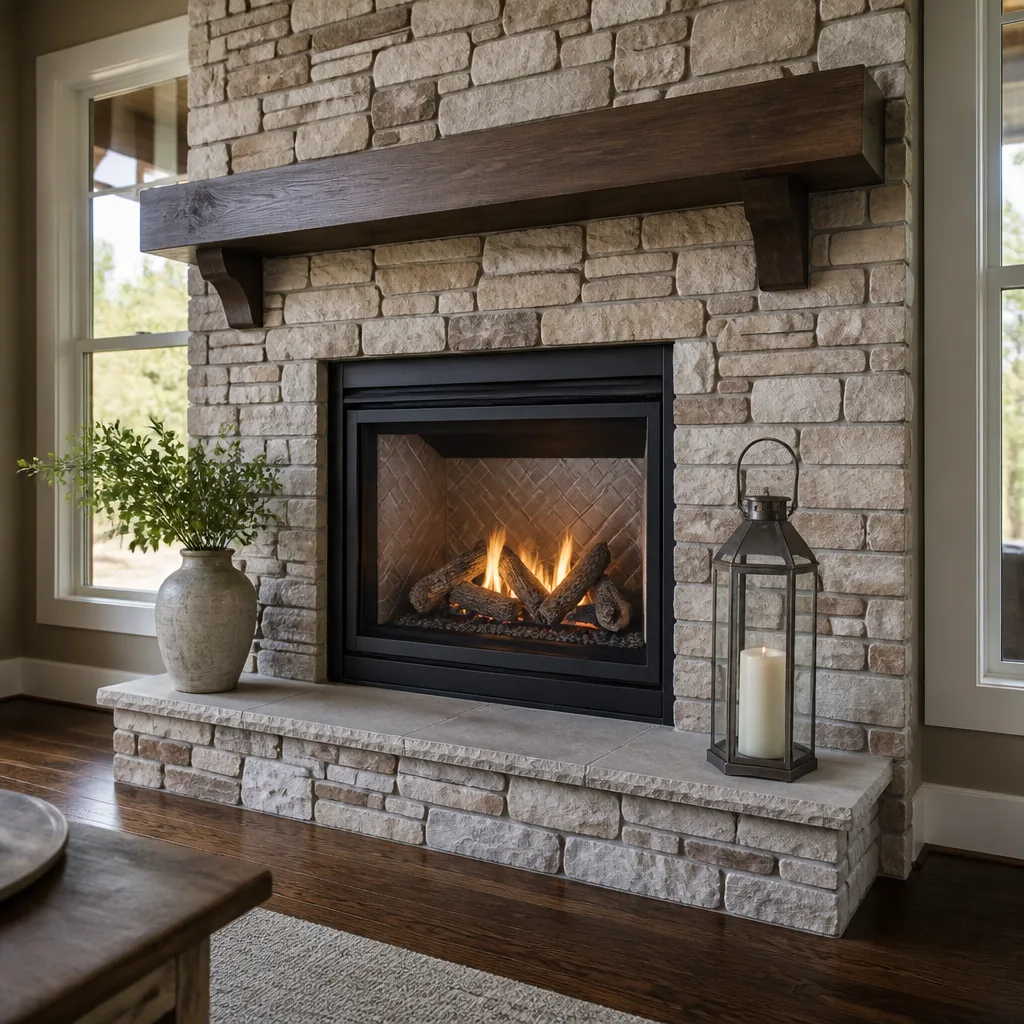 Gas fireplace service
Level 1 sweep and inspection to the NFPA 211 annual standard - flue, crown, cap, and flashing checked and photographed
Chimney sweep logs do not sweep chimneys. They loosen some creosote - which then falls where a brush and vacuum still have to collect it.
Seasonal Chimney Cleaning Care for Salt Lake City: Year-Round Homeowner’s Guide
Most chimney advice tells you to book one cleaning a year and forget about it. In Salt Lake City, that thinking leaves gaps. Our climate doesn’t deal out one kind of stress to a chimney – it deals out four, and each one hits a different part of the system. Freeze-thaw cycling works on the masonry. Inversion-season burn intensity loads the flue with creosote. Summer sun bakes the crown. Monsoon moisture finds every crack the other three opened up. Treat the chimney as a single annual errand and something always gets missed. This guide walks through what each Salt Lake City season actually does to a chimney, what to check before it does damage, and how to set a cleaning rhythm around how much wood you really burn – not a calendar someone else picked for you.
Quick Answer
In Salt Lake City, chimney care is seasonal, not annual. Fall is for inspecting summer masonry damage before the first fire; winter is for mid-season creosote checks if you burn heavily during inversions; spring is for catching freeze-thaw spalling and flashing movement; summer is the window for cap, crown and sealer work before monsoon moisture arrives. Cleaning frequency should follow cord-wood volume burned, not a fixed yearly date.
Styles & brands we work with
- Sweep & inspection
- Caps & crowns
- Flue relining
- Masonry repair
- Gas fireplace service
Table of Contents
- Why seasonal care beats one annual visit in Salt Lake City
- Fall: preparing for inversion season before the first fire
- Winter: mid-season creosote monitoring during heavy burn periods
- Spring: the post-freeze inspection that catches real damage
- Summer: the cap, crown and sealer window
- How often should you actually clean? Matching frequency to cord-wood volume
- Signs your chimney needs attention right now
- Common mistakes to avoid
- When to call a professional
- Frequently asked questions
Why Seasonal Care Beats One Annual Visit in Salt Lake City
The Wasatch Front runs through a genuine four-season cycle, and each season stresses a chimney differently. Winter freeze-thaw is the big one. Water gets into brick, mortar and flashing, freezes overnight, expands, and thaws the next day. Repeat that a few hundred times between November and March and you get spalling brick faces, crumbling mortar joints, and flashing that has quietly pulled away from the roofline. None of that shows up as a dramatic failure. It shows up as a slow decline that a once-a-year sweep won’t catch in time.
Then there’s the burn side. Salt Lake City sits in a valley that traps cold air under warmer air through the winter, and during inversion days wood smoke lingers instead of dispersing. Homeowners respond by burning harder and longer, and hardwood becomes the cleaner-burning choice when the air is thick. That heavier burn load means more creosote, more often, than a mild climate would produce.
Summer brings the opposite problem: intense high-altitude UV that degrades sealants and crown mortar, followed by monsoon moisture that finds every weakened spot. Four seasons, four different failure modes. A genuinely useful maintenance plan for a Salt Lake City chimney addresses each one on its own schedule.
- Freeze-thaw: attacks masonry, mortar joints and flashing
- Inversion-season burning: drives creosote accumulation from heavy wood use
- Summer UV: breaks down crown mortar, caps and sealant
- Monsoon moisture: enters through any gap the other three created
Fall: Preparing for Inversion Season Before the First Fire
Fall prep in Salt Lake City means checking for summer damage before you light the first fire, not after something goes wrong. The months between spring and fall are when masonry cracks widen, when a loose cap finally shifts, and when animal entry becomes likely as creatures look for warm shelter. Lighting a fire in October without looking at the flue first is how small problems become expensive ones.
Here’s the order we suggest for a fall walkthrough of your system:
- Look at the exterior. From the ground, check for missing or loose bricks, whitish staining on the masonry, and a cap that sits crooked or is missing entirely.
- Check the firebox and damper. Open the damper fully and look up. Any visible creosote glaze, debris, or nesting material warrants a professional look before you burn.
- Confirm the cap is intact. A properly fitted chimney cap keeps rain, snow and animals out year-round – the single most overlooked piece of the system.
- Book a professional inspection. A standalone inspection gives you a clear baseline on the flue, firebox and exterior before the heating season starts.
If an inspection turns up a deteriorating flue liner, there’s often a middle path. HeatShield is a professional ceramic resurfacing system that can restore a failing flue without a full liner replacement in many cases, which is worth asking about before you assume the worst. If a full reline really is needed, a flexible stainless system such as DuraFlex is the standard solution. Either way, the decision comes out of the inspection, not a guess.
This is where our chimney cap & crown work fits in – fall is a sensible time to fix anything that’s supposed to be keeping weather out before the weather gets serious.
Winter: Mid-Season Creosote Monitoring During Heavy Burn Periods
If you burn a lot through the winter, especially during inversion days when hardwood is the cleaner-burning option, your flue needs a mid-season look. Creosote builds in layers, and the difference between a light dusting and a glazed, hardened deposit that fuels a chimney fire can develop over a single heavy season. Waiting until spring to discover it means burning through the riskiest part of the year with it sitting in your flue.
What you can watch for yourself, safely, without touching the inside of the flue:
- A smokier fire than usual. If smoke rolls into the room instead of drawing up, the flue may be partially blocked.
- A stronger, sharper smell. Persistent creosote odor, especially on warmer days, can signal a heavier buildup.
- Visible soot at the firebox. Flaking or shiny deposits around the damper are worth a professional look.
- Odd noises or animal signs. Scratching or nesting material near the cap means something got in.
This is also the season to think honestly about carbon monoxide. A blocked or damaged flue can let combustion gases back into the home instead of venting them outside. That’s a real risk, not a scare tactic, and it’s why a working carbon monoxide alarm on every level of the house belongs on your winter checklist along with a mid-season flue check if you’re burning heavily. Never reach up into the flue or try to clear a blockage yourself – that work belongs with a trained professional.
Mid-winter isn’t the time for a big repair project, but it is a good time to catch a problem early. If something looks wrong, a professional inspection can tell you whether it can safely wait for spring or needs attention now.
Spring: The Post-Freeze Inspection That Catches Real Damage
Spring is the most important inspection window in Salt Lake City, and it’s the one most homeowners skip. Wasatch Front freeze-thaw cycling between November and March is relentless on masonry, and the damage it leaves behind doesn’t announce itself. Spalled brick faces, hairline cracks in the crown, mortar joints that have softened, and flashing that has shifted – this is what a spring inspection is designed to find.
Here’s why timing matters: if you find freeze-thaw damage in spring, you have the whole warm season to fix it before the next freeze arrives. If you find it in fall, you’re racing the weather. A spring inspection is also a chance to check the system’s overall health after a full burn season, when creosote deposits are at their heaviest.
A proper spring inspection should cover:
- Exterior masonry. Look for spalling (flaking brick faces), white efflorescence staining, and mortar joints that crumble when probed.
- The crown. Cracks in the crown let water straight into the masonry below. A cracked crown is often the root cause of interior water staining.
- Flashing. The metal seal where the chimney meets the roof moves with freeze-thaw. Failed flashing is a leading cause of leaks that get misdiagnosed as roof problems.
- The flue interior. This is where a camera inspection earns its keep. You can’t see a deteriorated liner or a hidden crack from below, and guessing isn’t good enough when a repair decision hangs on it.
We always inspect before we recommend a repair, and we show homeowners what the camera sees so the decision is theirs, made on evidence rather than on our word alone. Sometimes the honest answer is that the damage can safely wait. We’d rather tell you that than sell you work you don’t need.
If the spring inspection turns up structural issues, our chimney repair service covers everything from crown repair to full masonry restoration, using professional-grade materials rather than hardware-store substitutes.
Summer: The Cap, Crown and Sealer Window
Summer in Salt Lake City is prime drying weather and the ideal window for the work that protects your chimney the rest of the year. This is the season to apply penetrating sealers to masonry, repair or replace the crown, and make sure the cap is doing its job – all before monsoon moisture arrives in late summer. Water is the single most destructive force on a chimney, and summer is when you get ahead of it.
Three jobs belong on a summer list:
- Crown repair or replacement. The crown is the concrete or mortar cap on top of the chimney that sheds water away from the masonry. A cracked crown lets water wick straight down into the brick. Repairing it in summer gives the mortar time to cure properly before cold weather.
- Cap installation. A chimney cap keeps rain, snow, birds and animals out while letting smoke escape. If your chimney has no cap, or the cap is loose or rusted through, summer is the time to fix it. It’s the cheapest protection you can put on a chimney.
- Penetrating sealer. A breathable penetrating sealer stops liquid water from soaking into masonry while still letting moisture vapor escape from inside. Applied in dry summer weather, it gives the brick real protection before the wet season.
This is the sort of chimney cap & crown work that sweep-only companies often leave unresolved. Getting it done in summer, while the weather cooperates, means you head into fall with a system that’s actually sealed against the season ahead.
How Often Should You Actually Clean? Matching Frequency to Cord-Wood Volume
The right cleaning schedule is set by how much you burn, not by an arbitrary annual date. A homeowner who lights a fire a few times a month has a very different creosote profile than one who heats primarily with wood through an inversion-heavy winter. Matching frequency to actual cord-wood volume is the practical approach – and it’s the one that keeps you from either overpaying for unnecessary sweeps or under-maintaining a heavily used flue.
Here’s a working framework, built around volume burned rather than a fixed calendar:
- Occasional use (a few fires a month, decorative burning). An annual inspection keeps you on top of things; a full sweep may only be needed every couple of years depending on what the inspection shows.
- Moderate use (regular evening and weekend fires through winter, roughly one to two cords a season). An annual sweep plus a mid-season visual check is a reasonable baseline, adjusted for what the inspection finds.
- Heavy use (wood as a primary or supplemental heat source, two to three cords a season or more). More frequent sweeps are worth considering, with a mid-winter check if you’re burning hard through inversion periods.
- Any use with visible creosote glaze or a smoky fireback. Whatever your volume, those signs mean a professional look sooner rather than later.
Cord-wood selection matters too. Seasoned hardwood burns cleaner than green or soft wood, and during inversion days when smoke lingers in the valley, the cleaner-burning choice is the considerate one for your neighbors as well as your flue. If you’re unsure where you fall, a standalone inspection is the honest way to find out – our team inspects before recommending any cleaning, so you get a real answer instead of a default schedule.
Signs Your Chimney Needs Attention Right Now
Some problems wait for the seasonal calendar. Others don’t. These are the signs worth acting on promptly, whatever the month:
- Water staining on the ceiling or walls near the chimney. Usually flashing, crown or cap failure – and it only gets worse with the next storm.
- White staining on exterior brick. Efflorescence often points to water moving through the masonry.
- Crumbling mortar or flaking brick faces. The classic signature of freeze-thaw damage.
- A smoky fire that won’t draw. Possible blockage, a damaged flue, or a cap issue.
- Animal sounds or nesting material. A missing or damaged cap is usually behind it – and it’s a job for a professional, not a ladder and a broom.
- A strong creosote smell. Worth a professional check, especially after a heavy burn season.
- Carbon monoxide alarm activations. Leave the building and treat it as an emergency – never assume it’s a false alarm.
If any of these show up, a chimney inspection gives you a clear read on the system and a written picture of what’s actually going on. We don’t recommend work without camera evidence you can see for yourself – that’s the whole point of inspecting first.
Common Mistakes to Avoid
- Treating the chimney as a once-a-year errand. In Salt Lake City’s climate, damage happens in at least four seasonal phases. A single annual visit will always miss something, usually the spring freeze-thaw inspection.
- Waiting until fall to inspect. By then you’re racing the first freeze. Finding freeze-thaw damage in spring gives you months to fix it properly.
- Skipping the cap because “it looks fine.” A missing or loose cap is the most common cause of water intrusion and animal entry. It’s cheap to fix and expensive to ignore.
- Burning green or unseasoned wood. It burns cooler, deposits more creosote, and smokes more – a bad combination during inversion days when valley air is already trapped.
- Assuming a heavier burn means a bigger annual sweep, not more frequent checks. A heavily used flue benefits from a mid-season look, not just a bigger spring cleaning.
- Trying to inspect or clear the flue yourself. Flue interiors, gas lines and electrical work around a fireplace are genuinely dangerous. A trained professional has the tools and the knowledge to do it safely.
- Accepting a repair estimate without seeing the evidence. You should be able to see the camera footage or the photos that justify any recommended work. If you can’t, ask why.
When to Call a Professional
Some jobs are seasonal maintenance; some are calls to make now. Call a professional if you’ve noticed water staining, crumbling mortar, spalled brick, a smoky fire, animal noises, or a creosote odor that won’t go away. Call sooner if a carbon monoxide alarm sounds, if a cap is missing or damaged, or if you’ve never had the system inspected and you’re burning regularly. And call before you buy or sell a home with a wood-burning or gas fireplace – a credible inspection is a real asset in that transaction.
Our technicians have up to 14 years of experience across the full chimney system, and we work with professional-grade materials from names like Olympia Chimney, Famco, Copperfield and DuraFlex. Salt Lake City Chimney Sweep offers free estimates in Salt Lake City – call (866) 947-9124. We answer 24/7. Fast dispatch from 7am to 7pm, Sunday through Friday.
Frequently Asked Questions
It depends on how much wood you burn, not the calendar. Homeowners who burn heavily through inversion season often benefit from more frequent sweeps than a once-a-year schedule, while light users may only need a sweep every couple of years. A professional inspection tells you honestly where your system stands. Call (866) 947-9124 for a free estimate.
Not necessarily – but you can’t know without a proper inspection. Many flues that look like candidates for full replacement can be restored with HeatShield, a ceramic resurfacing system that repairs a deteriorating flue without a full reline in the right conditions. Where a full liner really is needed, we install DuraFlex and Olympia Chimney stainless systems. The decision should always come from camera evidence you can see. Call (866) 947-9124 for a free estimate.
Creosote keeps building, freeze-thaw damage keeps widening, and water keeps finding new ways in. The risk is not just a smoky fire – a blocked or damaged flue can let combustion gases, including carbon monoxide, back into your home, and heavy creosote deposits are a chimney-fire hazard. Skipping maintenance doesn’t avoid the problem, it just delays when you find out about it. Call (866) 947-9124 for a free estimate.
Both seasons matter, but for different reasons. Spring is the best time for the post-freeze inspection that catches masonry, crown and flashing damage. Fall is the best time to make sure the flue is clear and the cap is in place before you start burning again. A truly useful plan uses both windows. Call (866) 947-9124 for a free estimate.
Summer is the ideal window. Warm, dry weather lets crown mortar cure properly and lets penetrating sealer do its job before monsoon moisture arrives. A cracked crown or missing cap is also the most common cause of the water intrusion we see in Salt Lake City, so it’s worth getting ahead of. Call (866) 947-9124 for a free estimate.
Yes, but we also offer inspections as a standalone service so you can get an honest baseline without bundling it into a cleaning. That matters when you’re buying or selling a home, when you’ve noticed a problem, or when you just want a straight answer about your system’s condition. Call (866) 947-9124 for a free estimate.
The Bottom Line
Salt Lake City’s climate doesn’t follow one chimney-care calendar, and neither should you. Fall is for clearing the flue and checking for summer damage before the first fire. Winter is for watching creosote buildup if you burn heavily through inversions. Spring is the critical post-freeze inspection, where spalled brick, failing mortar and moved flashing actually get caught. Summer is the window for cap, crown and sealer work before monsoon moisture arrives. Match your cleaning frequency to cord-wood volume rather than an arbitrary annual date, watch for the warning signs, and inspect before you repair. That’s what full-system chimney care looks like in this valley – and it’s how you get through every season without a surprise.
If you’d like a straight answer about your chimney’s condition, our team at Salt Lake City Chimney Sweep is ready to help. We start with a sweep and an inspection, show you the evidence, and let the findings set the plan. Visit Salt Lake City Chimney Sweep for the full service picture, or book a chimney sweep and a fireplace repair assessment when you’re ready to take the first step. Call (866) 947-9124 for a free estimate. We answer 24/7. Fast dispatch from 7am to 7pm, Sunday through Friday.
Written by the team at Salt Lake City Chimney Sweep.
See the difference
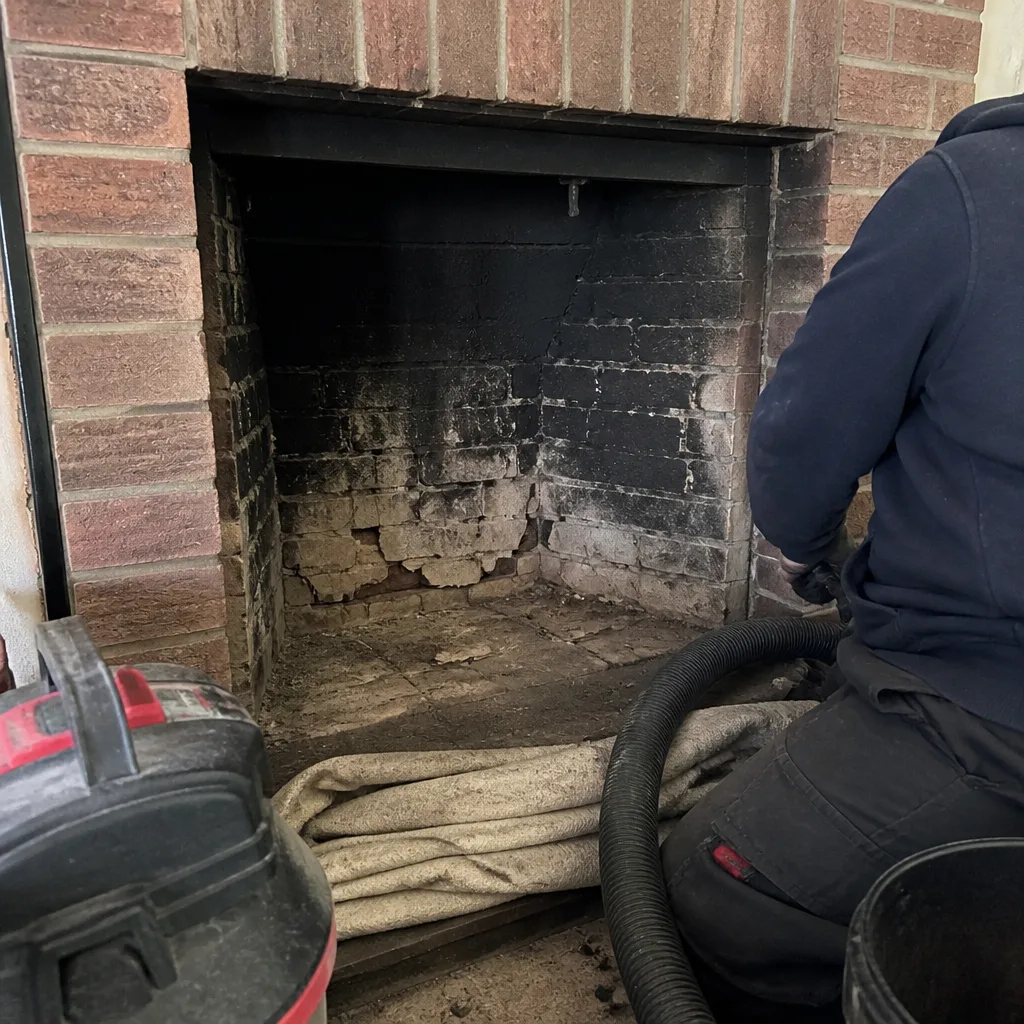 Before
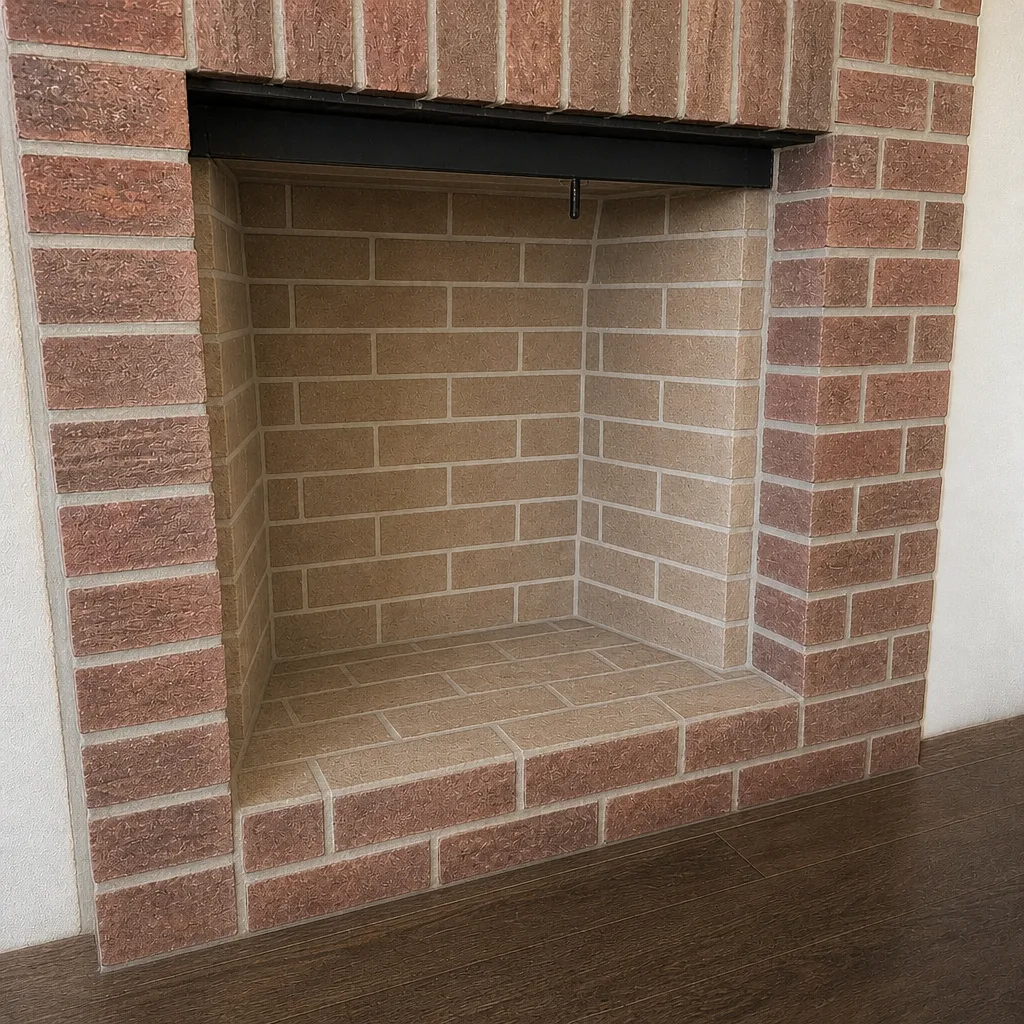 After
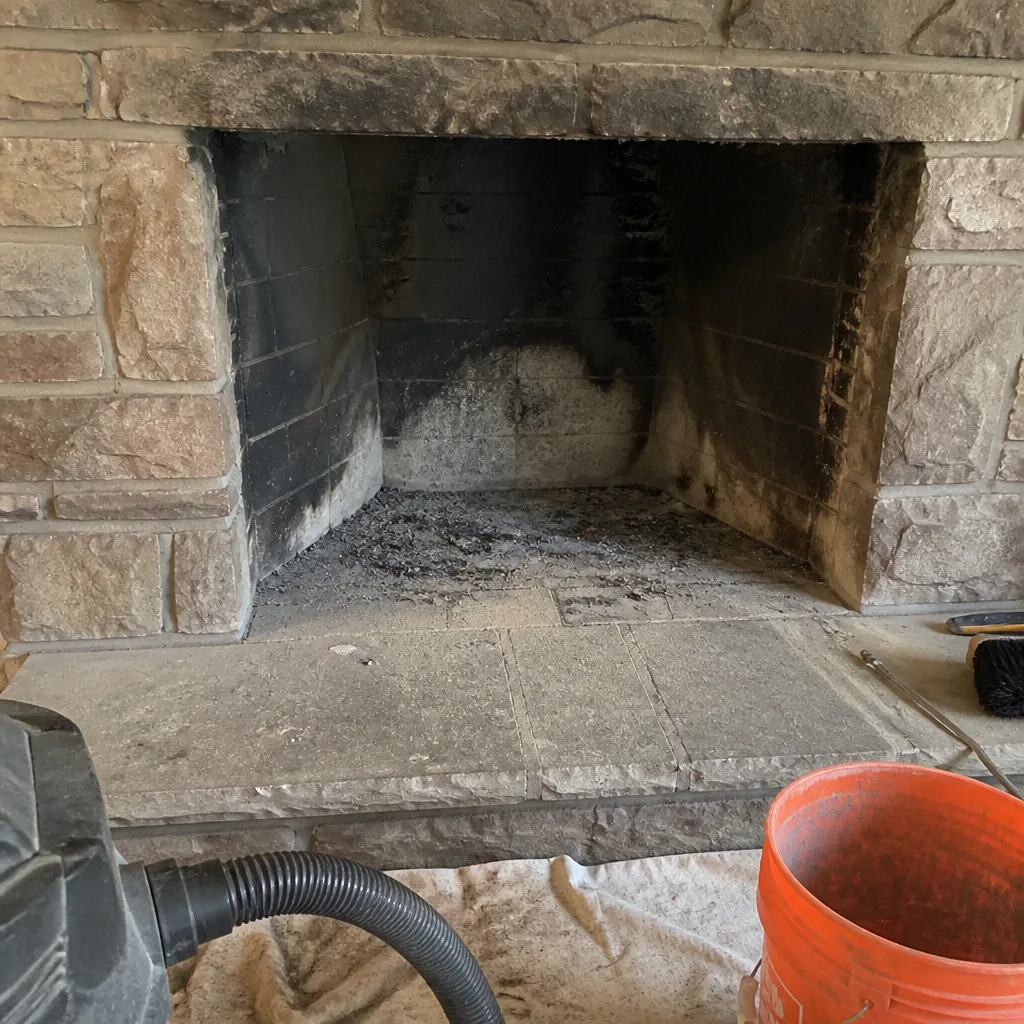 Before
 After
 Before
 After