
Last updated November 25, 2026
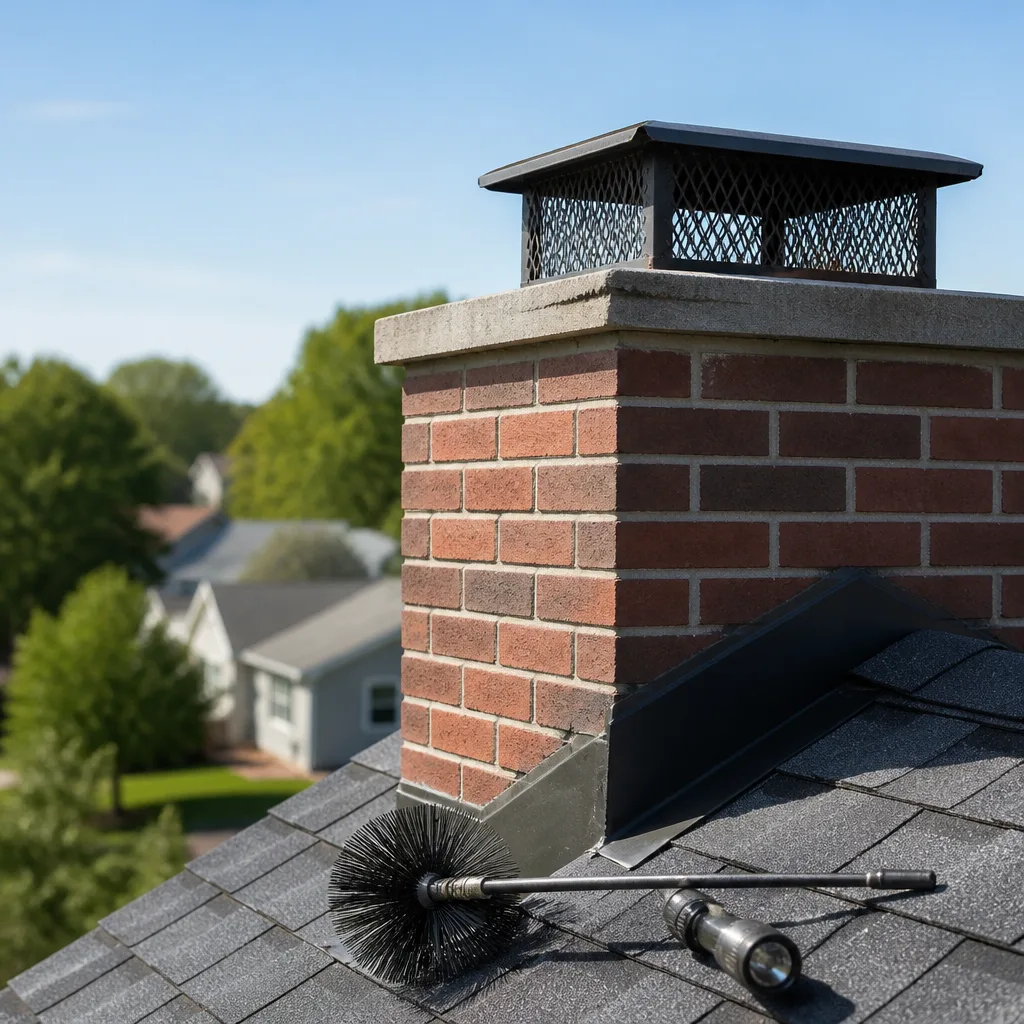 Sweep & inspection
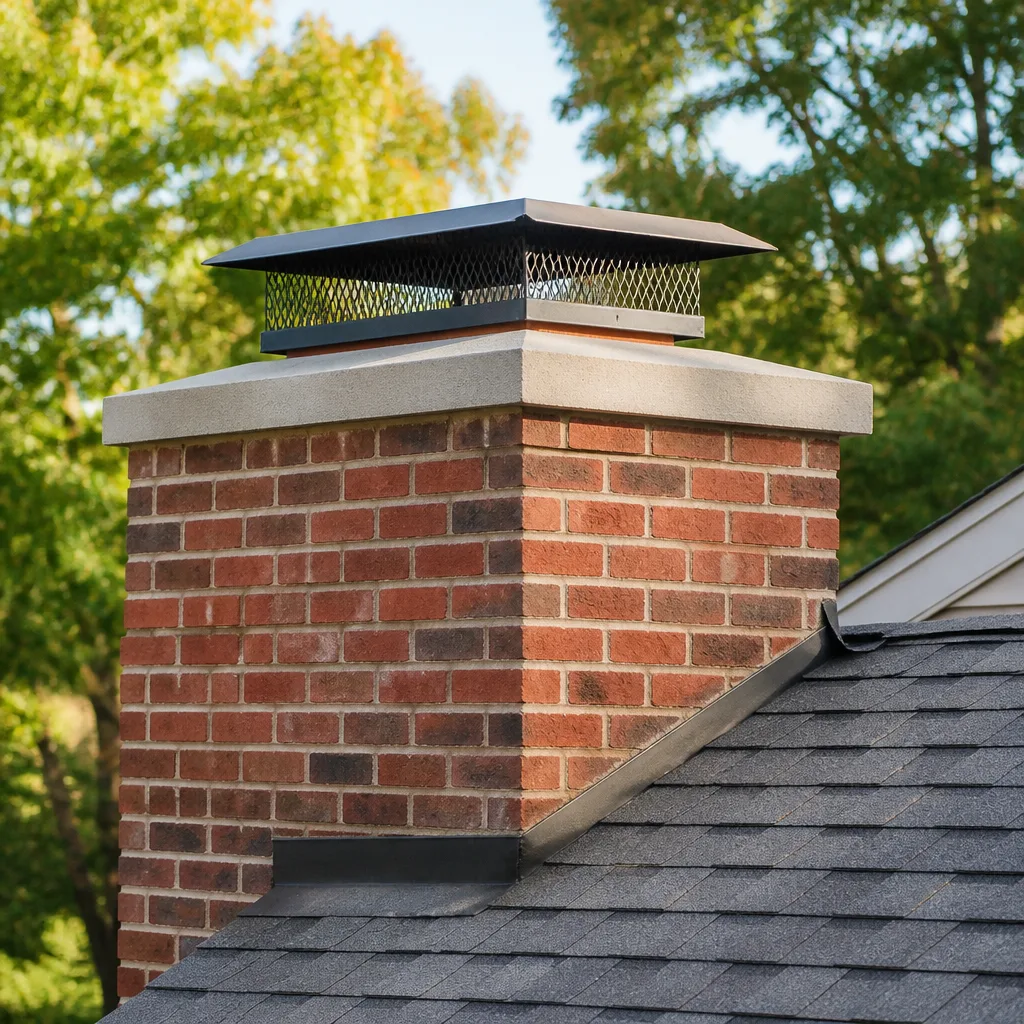 Caps & crowns
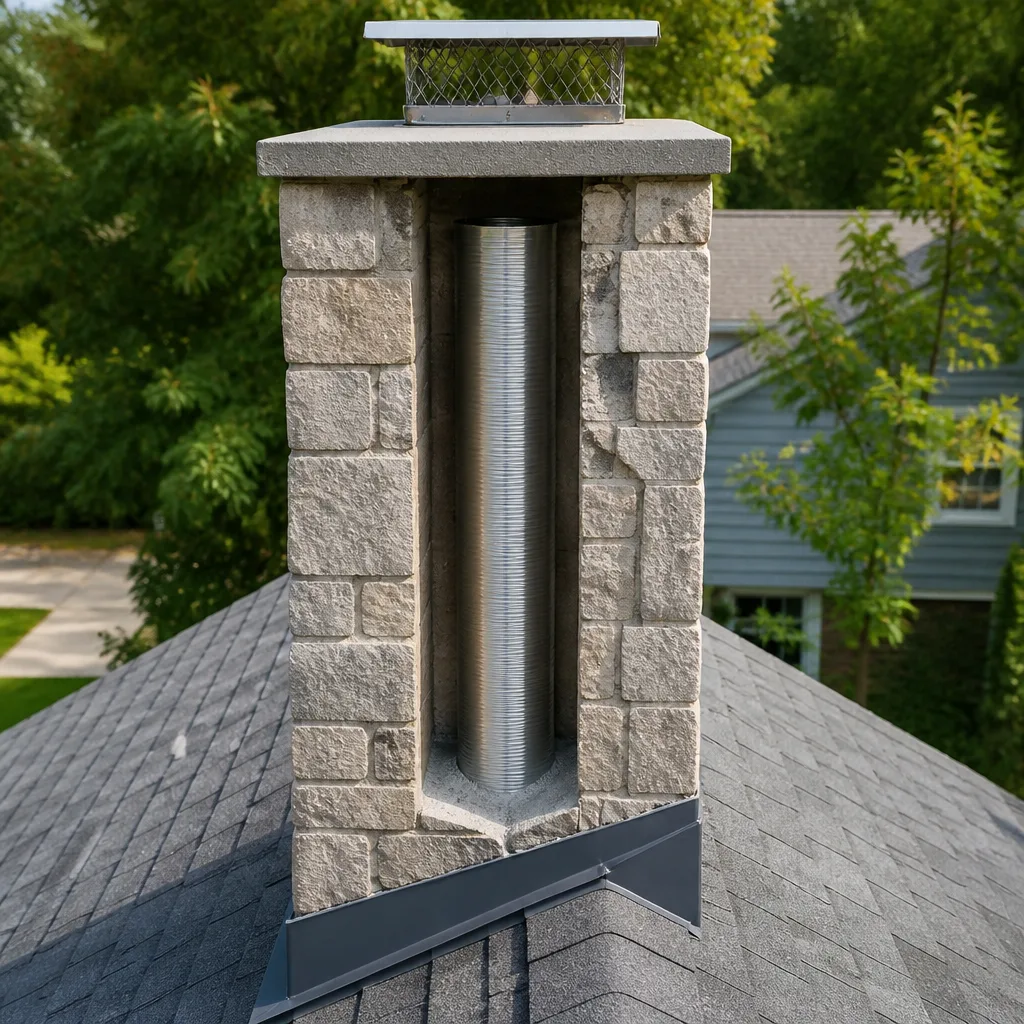 Flue relining
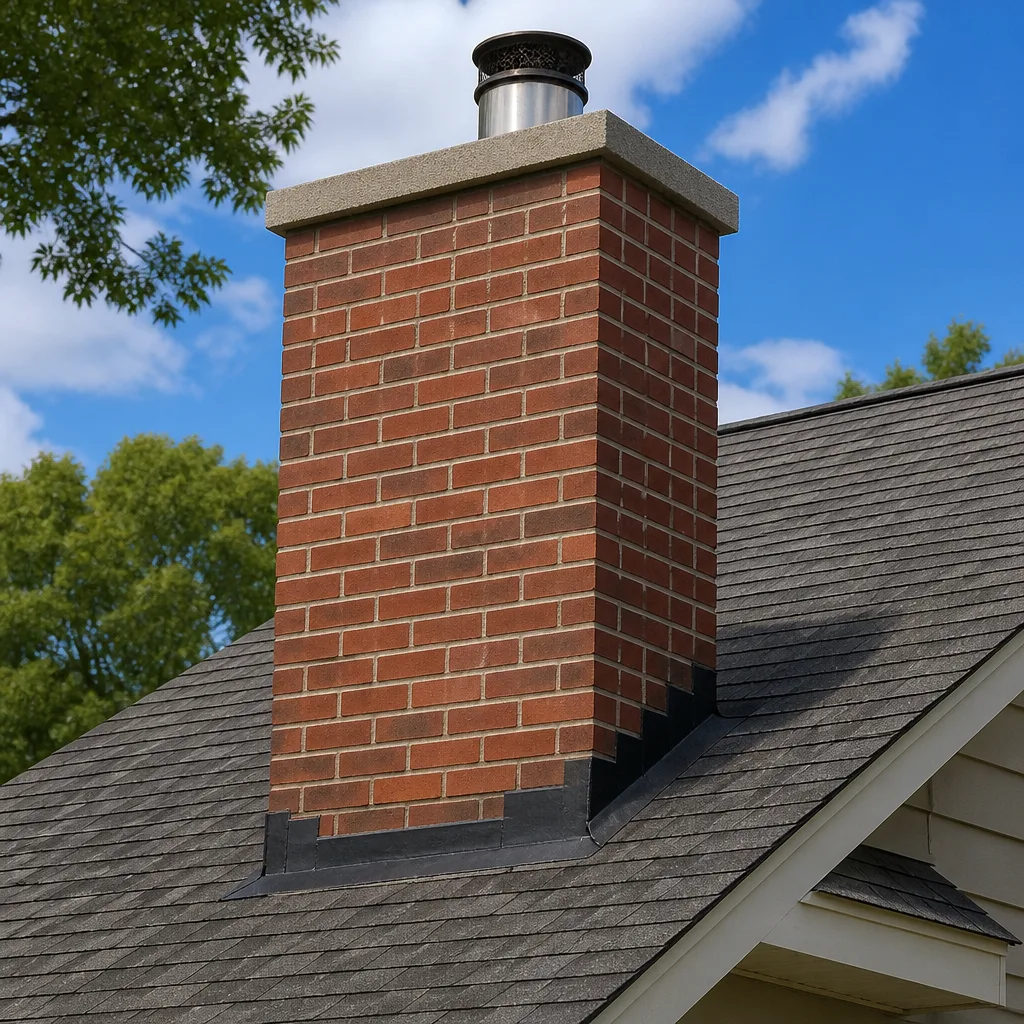 Masonry repair
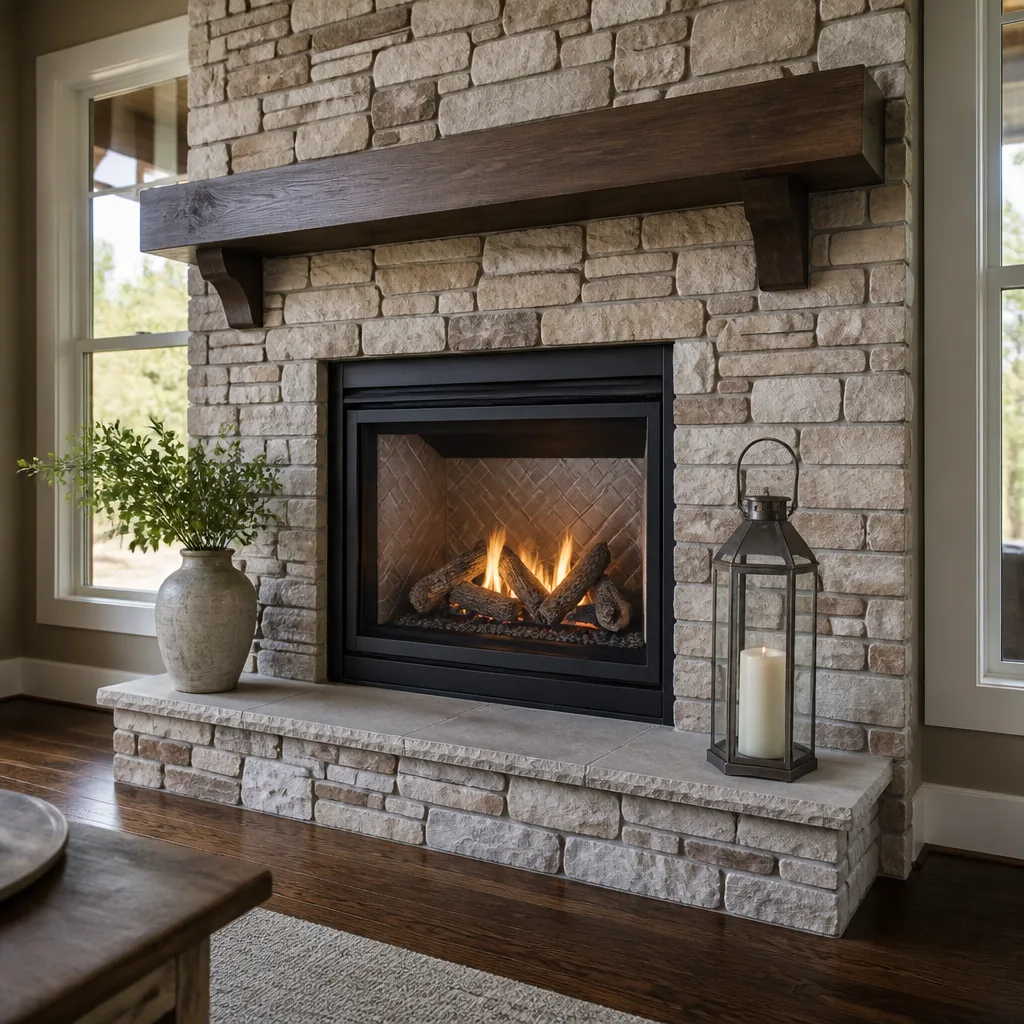 Gas fireplace service
Level 1 sweep and inspection to the NFPA 211 annual standard - flue, crown, cap, and flashing checked and photographed
Chimney sweep logs do not sweep chimneys. They loosen some creosote - which then falls where a brush and vacuum still have to collect it.
Chimney Cleaning Permits, Codes & Inspections in Salt Lake City, UT: What You Need to Know
The chimney work that creates real trouble for homeowners usually isn’t the cleaning. It’s the liner replacement or firebox rebuild that came after the sweep, done without a permit because nobody explained that the job had crossed a line. A cleaning is maintenance. Structural repair is construction, and construction in Salt Lake City runs through Building Services. This guide walks through where that line sits, what the Utah State Fire Code expects of factory-built and masonry systems, what a Level 2 inspection is actually required to document, and why unpermitted liner work surfaces during a property sale. If you own a home with a chimney in Salt Lake City, this is the framework you need before you approve any repair.
Quick Answer
Cleaning a chimney does not require a permit in Salt Lake City. Repairs that alter the structure of the chimney, replace a flue liner, rebuild a firebox, or change the venting system for a gas appliance typically do, and that work is reviewed by Salt Lake City Building Services under the adopted building and fire codes. An inspection is how you establish what a chimney actually needs before anyone decides whether a permit applies.
Styles & brands we work with
- Sweep & inspection
- Caps & crowns
- Flue relining
- Masonry repair
- Gas fireplace service
Table of Contents
- Where chimney work crosses into a permit in Salt Lake City
- What the Utah State Fire Code requires of factory-built and masonry chimneys
- How NFPA 211 shapes what an inspector looks for here
- What a Level 2 inspection is required to document
- Gas fireplaces and what homeowners get wrong about them
- Title and insurance consequences of unpermitted chimney work
- How a compliant repair actually proceeds from inspection to sign-off
- Why Salt Lake City chimneys age the way they do
Where chimney work crosses into a permit in Salt Lake City
The easiest way to think about it: if the work maintains the chimney as it is, no permit. If it changes what the chimney is, a permit is normally required. Sweeping removes creosote and debris and doesn’t touch the structure. A crown replacement is a gray area that depends on scope. A liner replacement, a firebox rebuild, or a change from wood-burning to gas venting is construction work, and Salt Lake City Building Services reviews those plans.
We can’t quote chapter and verse of every local amendment, and any honest guide that claims to should be read with suspicion. Code editions get adopted on a schedule, and the specific section reference changes with them. What doesn’t change is the threshold. Ask one question before any repair: does this alter the chimney’s structure, its flue, or the appliance connected to it? If the answer is yes, ask whether a permit is required. The answer is usually yes.
Typical categories and how they usually sort out
- No permit typically needed: sweeping, a Level 1 or Level 2 inspection, a cap replacement using the same fastening points, minor mortar touch-ups.
- Permit typically required: flue liner replacement, firebox rebuild, crown reconstruction where the top of the chimney is rebuilt, changes to the chimney’s height or footprint.
- Ask first: masonry repointing over a large area, damper replacement, converting a wood-burning fireplace to a gas insert.
None of this replaces a call to Salt Lake City Building Services. It’s a way to know which questions to ask. If a contractor tells you a permit isn’t needed for a liner replacement, get a second opinion before the material is ordered.
What the Utah State Fire Code requires of factory-built and masonry chimneys
Utah adopts the International Family of Codes, and the fire code’s chimney provisions track Section R1003 of the International Residential Code. R1003 sets the structural and clearance requirements for masonry chimneys and specifies how factory-built systems get listed, installed, and vented. The practical takeaway for a Salt Lake City homeowner is that the two kinds of chimney are inspected differently, and confusing the two is how bad repair advice spreads.
Factory-built systems
Factory-built chimneys are listed assemblies. Their pipe, clearances, and terminations were tested as a complete system by the manufacturer, and the listing governs. You cannot swap parts between brands, reduce required clearances, or improvise a cap that wasn’t designed for the unit. An inspector looks for the listing label, the correct cap, correct clearances to combustibles, and whether anything has been modified since installation. If a previous owner replaced a damaged section with a generic pipe, that is a finding.
Masonry systems
Masonry chimneys are site-built, so the inspection focuses on the material condition. Mortar joints, flue tile integrity, the smoke chamber, the crown, and clearances from framing all get checked. A clay tile flue with broken or offset tiles is a common finding in older Salt Lake City homes, and the code requires the flue to have a continuous, gas-tight lining. That’s a structural finding, not a cleaning issue, and repairing it is where permits enter the conversation.
Either way, the inspection is what establishes compliance. Sweeping alone only tells you the flue is clean, not whether it meets the standard. Salt Lake City Chimney Sweep offers chimney sweep and inspection as separate services for that reason: the inspection answers the code question, and the sweep keeps creosote under control between checks.
How NFPA 211 shapes what an inspector looks for here
NFPA 211 is the national standard for chimneys, fireplaces, vents, and solid fuel appliances. It’s the backbone that local codes build on, and it defines the three inspection levels every professional is trained against. Salt Lake City doesn’t rewrite NFPA 211; it adopts codes that reference the same principles, so an inspector working here follows the same framework you’d see cited nationally.
The three levels look like this:
- Level 1: a visual inspection of accessible portions of the chimney, appliance, and connector. Standard for routine annual maintenance when nothing has changed and there’s no evidence of a problem.
- Level 2: everything in Level 1, plus accessible attics, crawl spaces, and the chimney exterior, with video scanning of the flue interior. Required after a change in fuel type, an appliance replacement, a chimney fire, an earthquake or other event that may have damaged the system, or a property sale.
- Level 3: everything in Level 2, plus removal of parts of the building to reach concealed areas. Reserved for cases where the lower levels found a problem that can’t be confirmed otherwise.
The standard also governs clearance requirements, the permissible condition of the flue lining, and when a flue must be relined. In practice, most chimney problems a Salt Lake City inspector finds fall into a narrow band: water intrusion at the crown, a cracked flue tile, a smoke chamber that’s never been parged. Those are NFPA 211 findings, and they translate into a repair scope and a permit question.
What a Level 2 inspection is required to document
Level 2 is the inspection that shows up in real estate transactions and after chimney fires, and it is required to document the condition of the entire flue, not just the part you can see from the firebox. That means a video scan of the flue interior for its full length, an inspection of accessible portions of the chimney exterior, accessible attics and crawl spaces, and the visible condition of the appliance and its connector.
What most sweeps actually deliver is a Level 1 inspection attached to a cleaning: a visual check of the accessible firebox and damper. That’s appropriate for routine maintenance, but it’s not what the standard calls for when a property is changing hands or when a gas appliance has been installed where a wood-burning one used to sit. If you’re buying a home in the Avenues, Sugar House, or along the east bench, ask for the level by name and ask for the video scan. A written report with photos is what makes the inspection useful later.
This matters for cost, too. A Level 2 is more work than a Level 1, and the report you get from one is the document contractors and realtors rely on. Salt Lake City Chimney Sweep offers inspection as a standalone service, so you’re paying for the inspection, not for a cleaning with an inspection folded into the price.
Gas fireplaces and what homeowners get wrong about them
A gas fireplace still has a flue, and it still needs inspection and cleaning. The difference is what accumulates inside. Wood-burning chimneys build up creosote; gas appliances can produce corrosive condensate that attacks the flue lining over time, and that corrosion weakens the flue in ways you cannot see from the fireplace. Many Salt Lake City homes have gas inserts installed into flues that were originally built for wood, and whether the existing lining is appropriate for the new appliance depends on the appliance, the flue size, and the venting arrangement.
That’s why a gas appliance change or insert installation commonly triggers the Level 2 requirement. The inspection needs to confirm the flue is properly sized and lined for the appliance now connected to it. Skipping that step is how you get a flue that vents poorly, a fireplace that soots up the glass, or in the worst case, spillage of combustion products into the living space.
If you have a gas fireplace in Salt Lake City and you can’t remember when it was inspected, that’s the call to make. A cleaning plus an inspection gives you a baseline, and a baseline is what tells you whether the liner is a repair-first candidate or something more. Professional ceramic resurfacing like HeatShield is often the answer when the liner is deteriorated but structurally intact, restoring the flue without pulling the whole system apart.
Title and insurance consequences of unpermitted chimney work
Unpermitted chimney work creates two problems that surface at the worst possible time: during a sale or after a claim. When a buyer’s inspection turns up a liner replacement with no permit on record, the title company and lender treat it as an open item. The buyer may ask for a credit, the work may need to be corrected and inspected after the fact, and the sale can stall while that happens. It’s not a hypothetical. It’s a common finding in older Salt Lake City housing stock where a previous owner replaced a liner because it was cheaper to skip the permit.
Homeowner’s insurance is the second problem. If a chimney fire or water damage claim traces back to work that wasn’t permitted or inspected, the insurer can push back on coverage. The policy language varies, and we won’t guess at any specific carrier’s terms, but the pattern is consistent: the insurer wants to see that the work was done to code and inspected. A permit record is the simplest way to show that.
For sellers, the fix is preventive. Get a Level 2 inspection before the listing goes live, get the report in writing, and disclose what’s in it. For buyers, ask for the inspection report and ask whether any liner or firebox work was permitted. Two documents answer most of the question.
How a compliant repair actually proceeds from inspection to sign-off
Most chimney repairs follow the same sequence, and knowing the sequence is how you avoid surprises. Here’s the order we work in:
- Inspection first. A Level 1 or Level 2 inspection establishes what’s actually wrong, with video and photos. Nothing is recommended before that, because the camera is what tells you whether the liner is deteriorated or fine.
- Written scope. The inspection findings translate into a specific scope: which tiles, which section of flue, which components. This document is what a permit application is built from.
- Permit determination. You or the contractor call Salt Lake City Building Services with the scope in hand and ask whether a permit is required. For liner replacements and firebox rebuilds, expect yes.
- Repair and materials. Work proceeds with the material specified in the scope. We use professional-grade systems from DuraFlex, Olympia Chimney, Gelco, and Famco, or ceramic resurfacing with HeatShield where the liner can be restored rather than replaced.
- Inspection and sign-off. The permit is closed out by the city inspector, and you keep the record. That record is what protects you at resale and at claim time.
- Cap and crown. The last step is sealing the top. A chimney cap & crown installation keeps water and animals out, which is the most common cause of the deterioration that started the whole repair.
Salt Lake City permits and inspections add time to a repair. They also make the work defensible. The alternative, a liner replacement with no record, is a problem you hand to the next owner.
Why Salt Lake City chimneys age the way they do
Salt Lake City sits in a valley with cold winters, freeze-thaw cycles, and a winter inversion that traps cold air against the valley floor. Chimneys here deal with a specific pattern: masonry absorbs moisture during wet spring and fall weather, then freezes and spalls when temperatures drop. The crown, the mortar joints, and the top of the flue take the most abuse. That’s why crown repair and cap installation are such common findings in this market, more so than in climates that stay either consistently cold or consistently dry.
The inversion matters for another reason. When the valley traps cold air under warmer air, wood smoke doesn’t disperse the way it does on a clear winter day. That’s a reason to burn dry, seasoned wood and keep the flue swept, because a dirty flue produces more smoke and more creosote, and creosote is what chimney fires burn. None of this is a scare tactic. It’s the reason an annual sweep and a periodic inspection make sense here, and the reason the work should be done by a technician who understands what they’re looking at.
Our technicians have up to 14 years of experience with both wood-burning and gas systems, and we offer fireplace repair alongside the sweep and inspection work, so the whole system gets looked at by one specialist. If you’re not sure where to start, the answer is usually the inspection.
Common Mistakes to Avoid
- Skipping the permit because the contractor offered to. A liner replacement done without a permit can create problems at resale, and the savings from skipping the permit are usually small compared to the cost of correcting it later.
- Accepting a Level 1 inspection for a property sale. A buyer’s inspection should be Level 2, with video of the flue. If a seller produces a Level 1 report and calls it a full inspection, ask for the level by name.
- Treating an inspection as a sales pitch. An inspection should produce a report you can read and a scope you can question. If the technician recommends a full reline before the video has been shown, ask to see it.
- Assuming a gas fireplace doesn’t need a sweep. Gas appliances produce corrosive condensate and need periodic inspection. Salt Lake City homes with gas inserts in formerly wood-burning flues need that check more often.
- Replacing a cap without checking the crown. A cap keeps water out of the flue, but a cracked crown lets water into the masonry itself. Both need looking at, or the water keeps coming in.
- Ignoring the smoke chamber. It’s the sloped transition between the firebox and the flue, and it’s where a lot of creosote hides. A sweep that doesn’t cover it leaves a fire risk behind.
- Skipping the inspection after a chimney fire. Even a contained fire can crack flue tiles. A Level 2 inspection after a fire is standard practice, and NFPA 211 requires one.
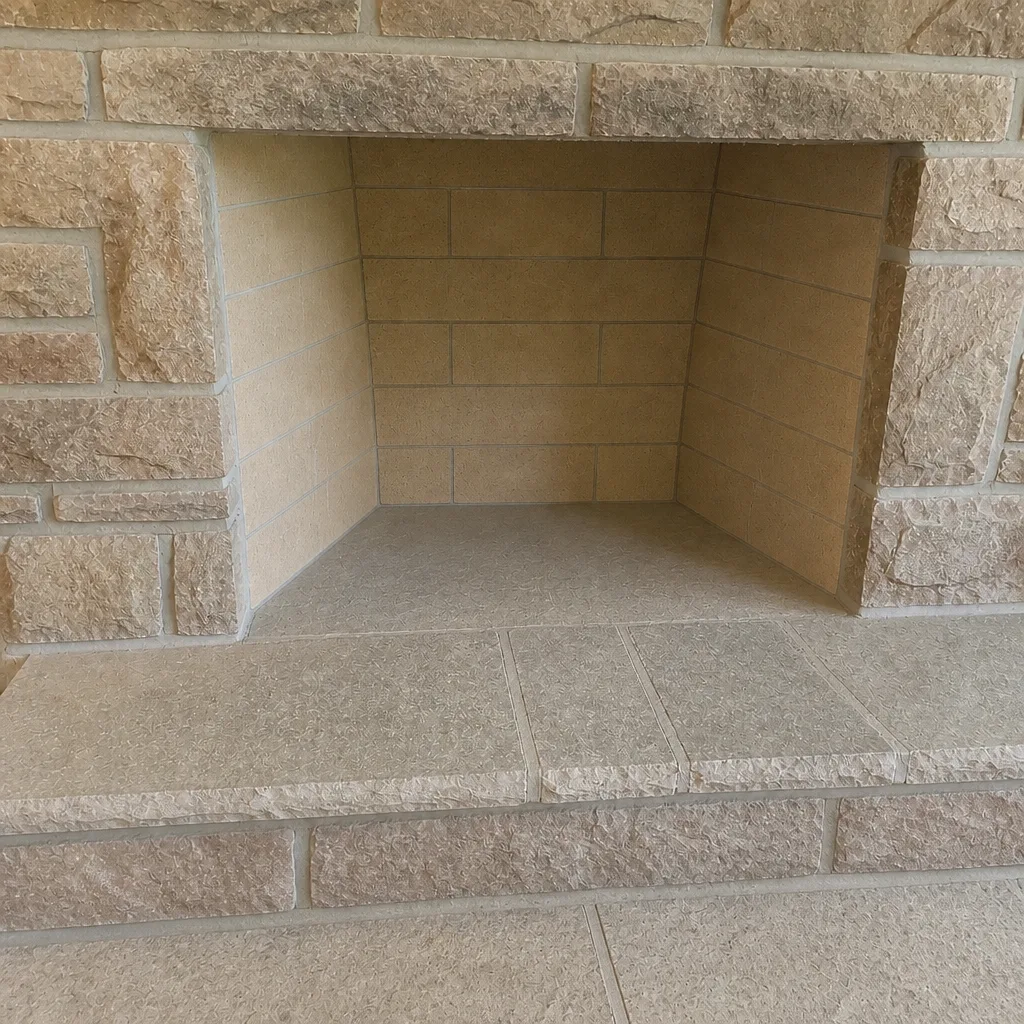
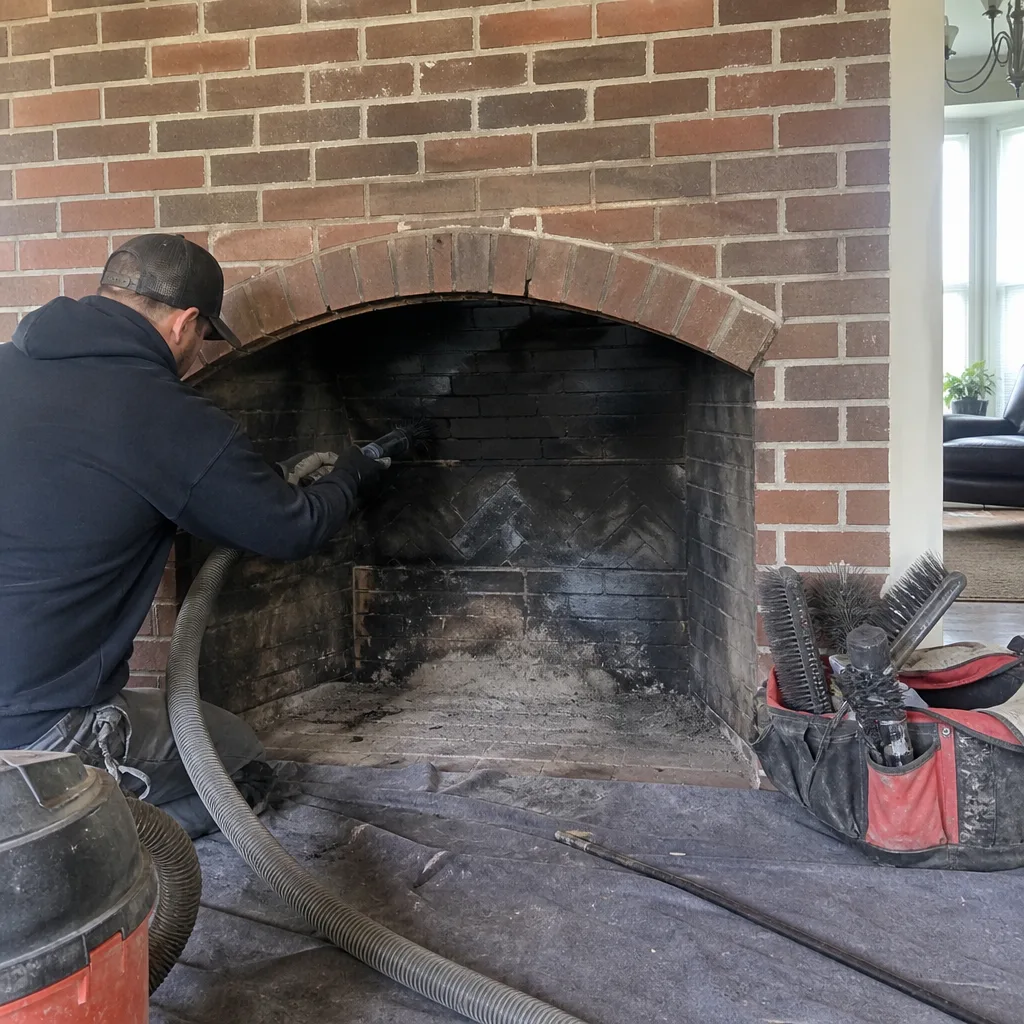
See the difference
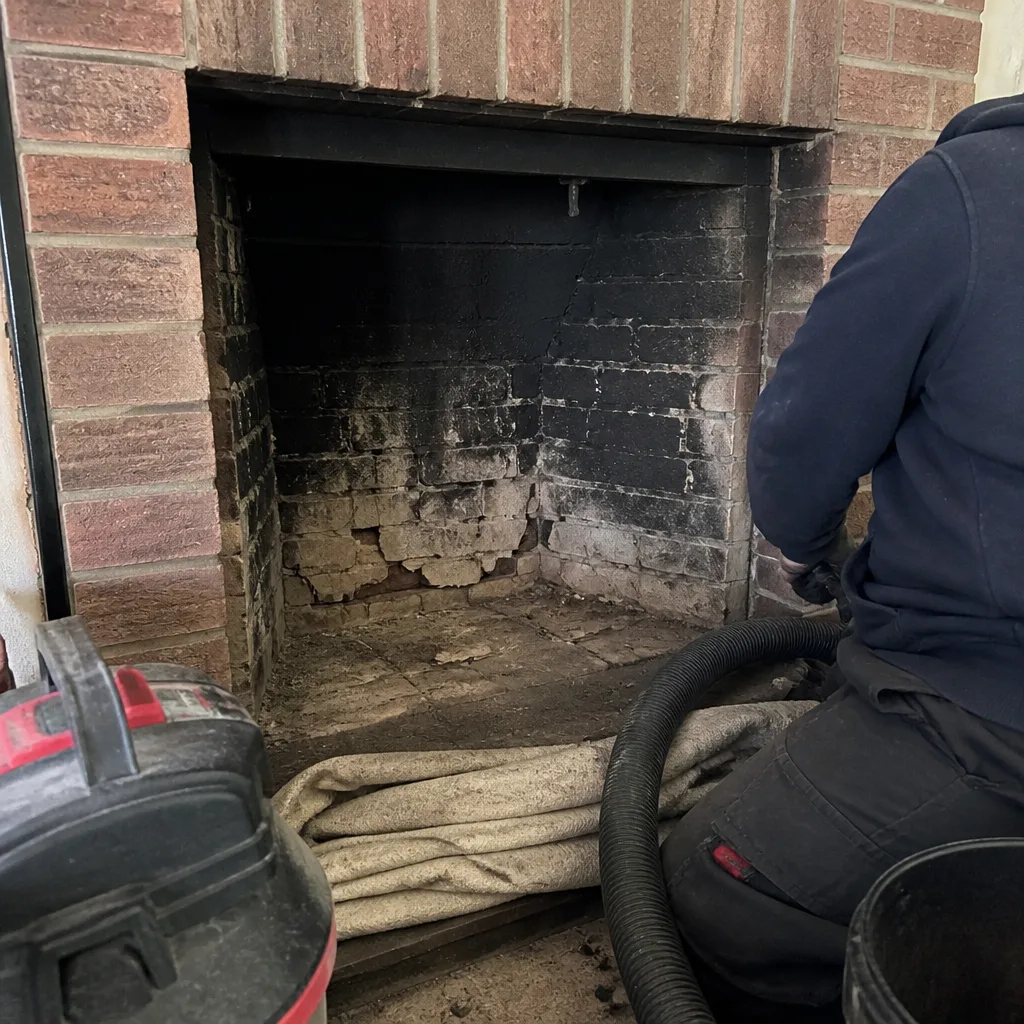 Before
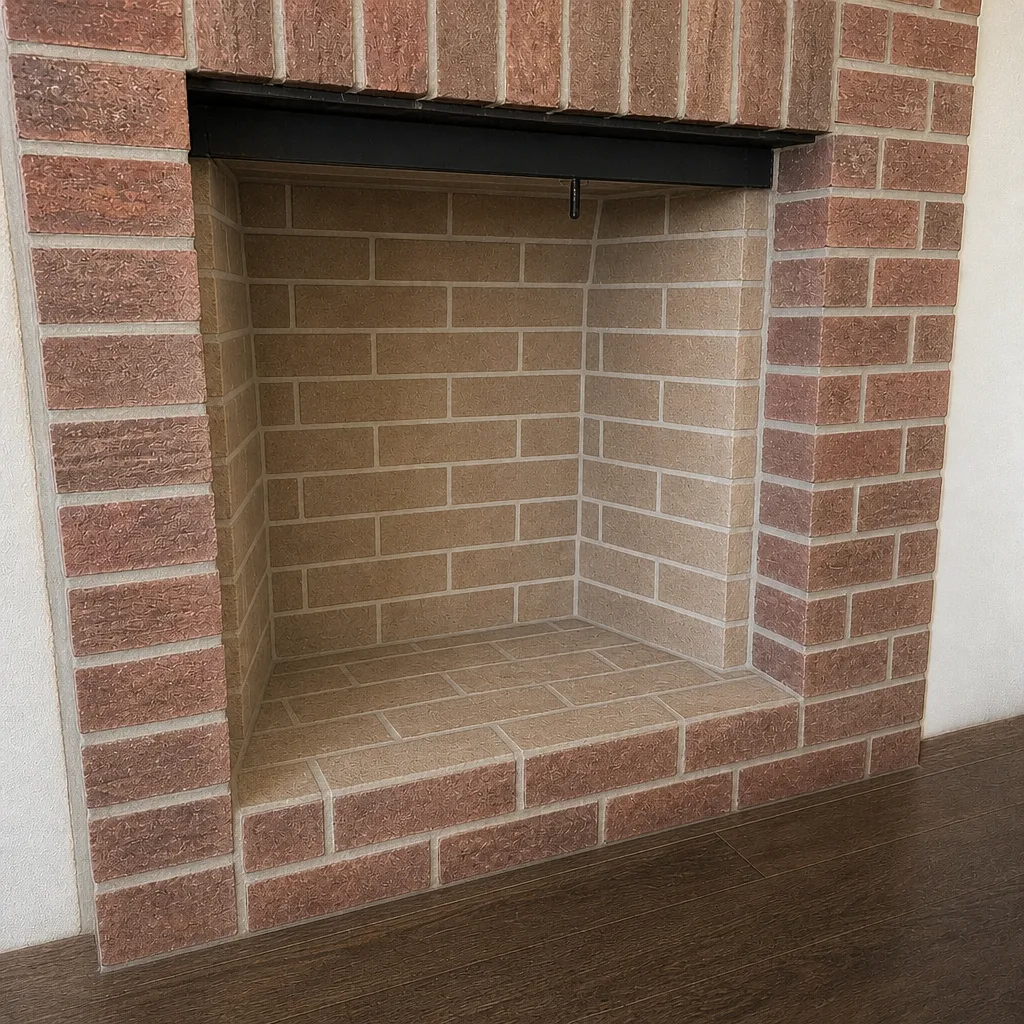 After
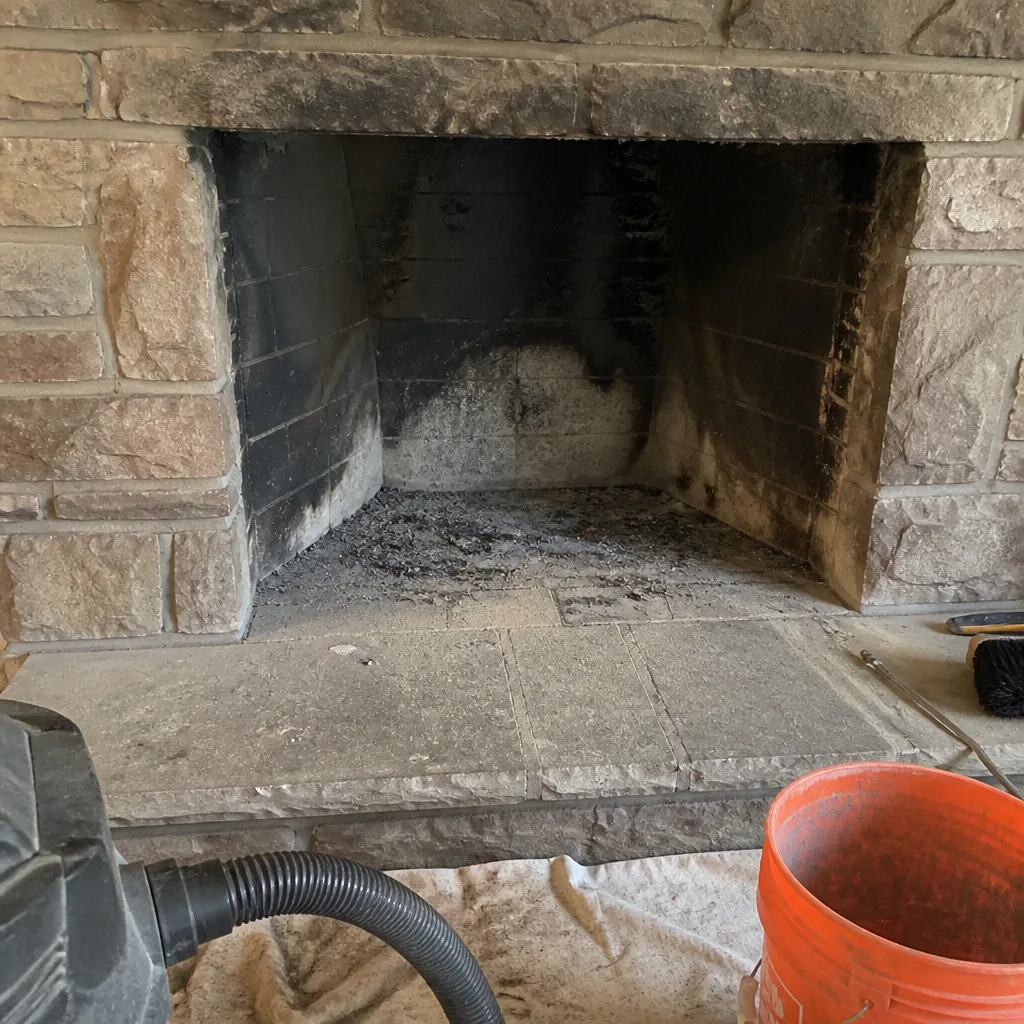 Before
 After
 Before
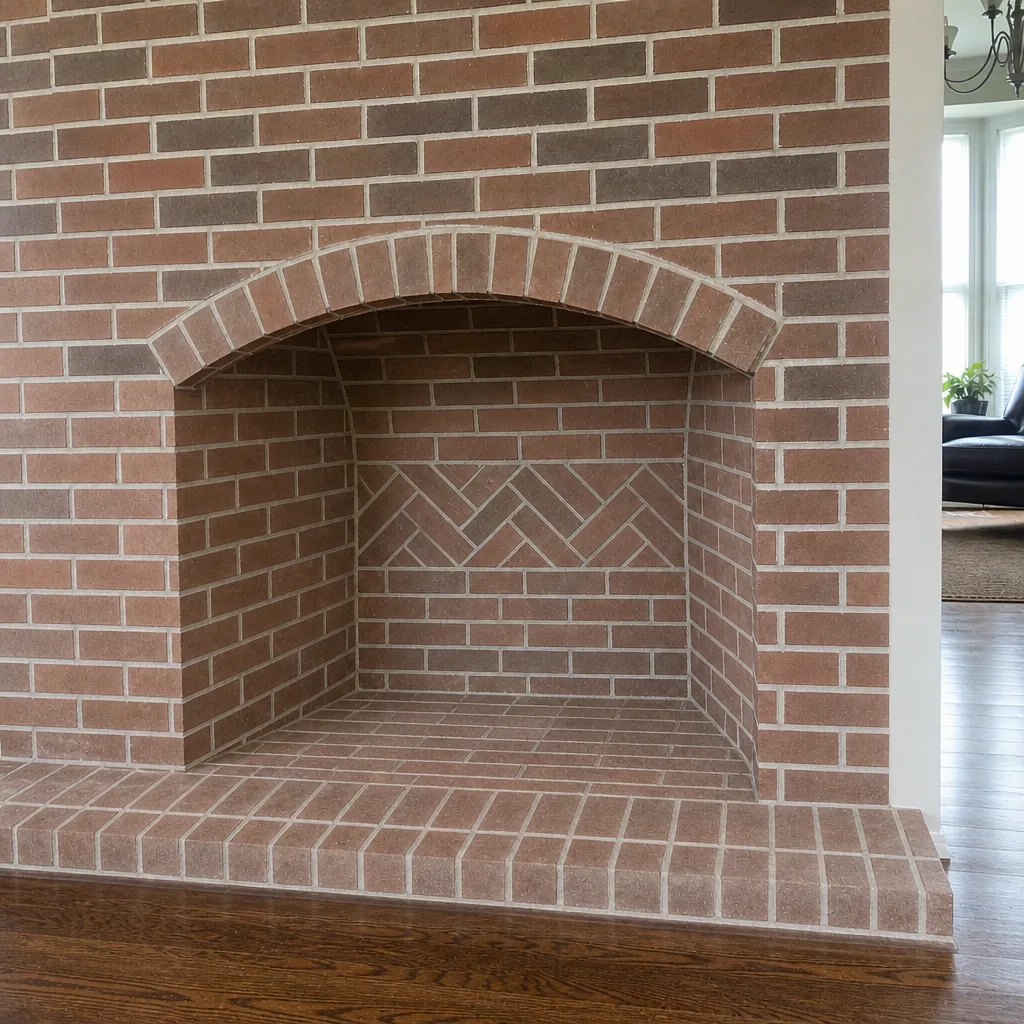 After
When to Call a Professional
Call when you’re buying or selling a home with a chimney, when a gas appliance has been installed in a flue that used to serve a wood-burning fireplace, or after any chimney fire, even one you think was minor. Call when you see water staining on the chimney breast, rust on the damper, or a smoky smell in the room that doesn’t go away. Call when the flue has never been inspected and you don’t know its condition. And call when someone has recommended a liner replacement without showing you video of the liner. These are decisions worth a professional opinion, and a full-system specialist covers sweeping, inspection, caps, crowns, fireplace repair, and chimney repair without handing you off to a second contractor. Salt Lake City Chimney Sweep offers free estimates in Salt Lake City. Call (866) 947-9124.
Frequently Asked Questions
No. Cleaning a chimney is maintenance and doesn’t require a permit in Salt Lake City. Permits enter the picture when work alters the chimney’s structure, its flue, or the appliance connected to it, such as a liner replacement or firebox rebuild. If you’re unsure whether your repair crosses that line, ask Salt Lake City Building Services before the work starts.
A Level 2 inspection is the standard for a real estate transaction, and it’s what most buyers and their inspectors expect to see. It includes video scanning of the entire flue, accessible attic and crawl space checks, and the chimney exterior. It’s also the report that shows whether any prior liner work was permitted, which is the document a buyer’s lender will want.
Yes. A gas fireplace still has a flue, and gas appliances can produce corrosive condensate that attacks the flue lining. Many Salt Lake City homes have gas inserts installed into flues that were originally built for wood, and the flue needs to be checked for appropriate sizing and lining. An annual visual inspection and periodic cleaning is the baseline.
Creosote accumulates in the flue. It’s the fuel that chimney fires burn, and a dirty flue also vents poorly. A swept flue doesn’t guarantee you’ll never have a fire, but it removes the material a fire would need. In Salt Lake City’s winter inversions, a dirty flue also produces more visible smoke, which is the visible symptom of a maintenance problem.
Relining a flue is a structural change, and it typically requires a permit from Salt Lake City Building Services. The permit isn’t a formality. It produces an inspection record that protects you at resale and at claim time. If a contractor offers to reline without one, ask why, and consider a second opinion.
Once a year is the standard, and it’s what insurance carriers and realtors typically expect to see. Homes that burn wood heavily may need more frequent sweeping, which is why the sweep and the inspection should be evaluated together. The inspection is what tells you the flue’s condition, not the sweep alone. Call (866) 947-9124 for a free estimate.
The Bottom Line
Cleaning a chimney in Salt Lake City doesn’t require a permit. Liner replacement, firebox rebuilds, and changes to the venting system do, and the permit record is what protects the work at resale and at claim time. NFPA 211 sets the standard for what a Level 2 inspection must document, and most sweeps only deliver a Level 1 visual check. Getting the right inspection first is what tells you whether the repair is a resurfacing job or something larger, and it gives you the documentation to prove the work was done correctly. Full-system care means all of it is handled by one specialist: the sweep, the inspection, the repair, and the cap. Salt Lake City Chimney Sweep covers each under one roof. Call (866) 947-9124 for a free estimate. We answer 24/7. Fast dispatch from 7am to 7pm, Sunday through Friday.
Written by the team at Salt Lake City Chimney Sweep.