
Last updated November 25, 2026
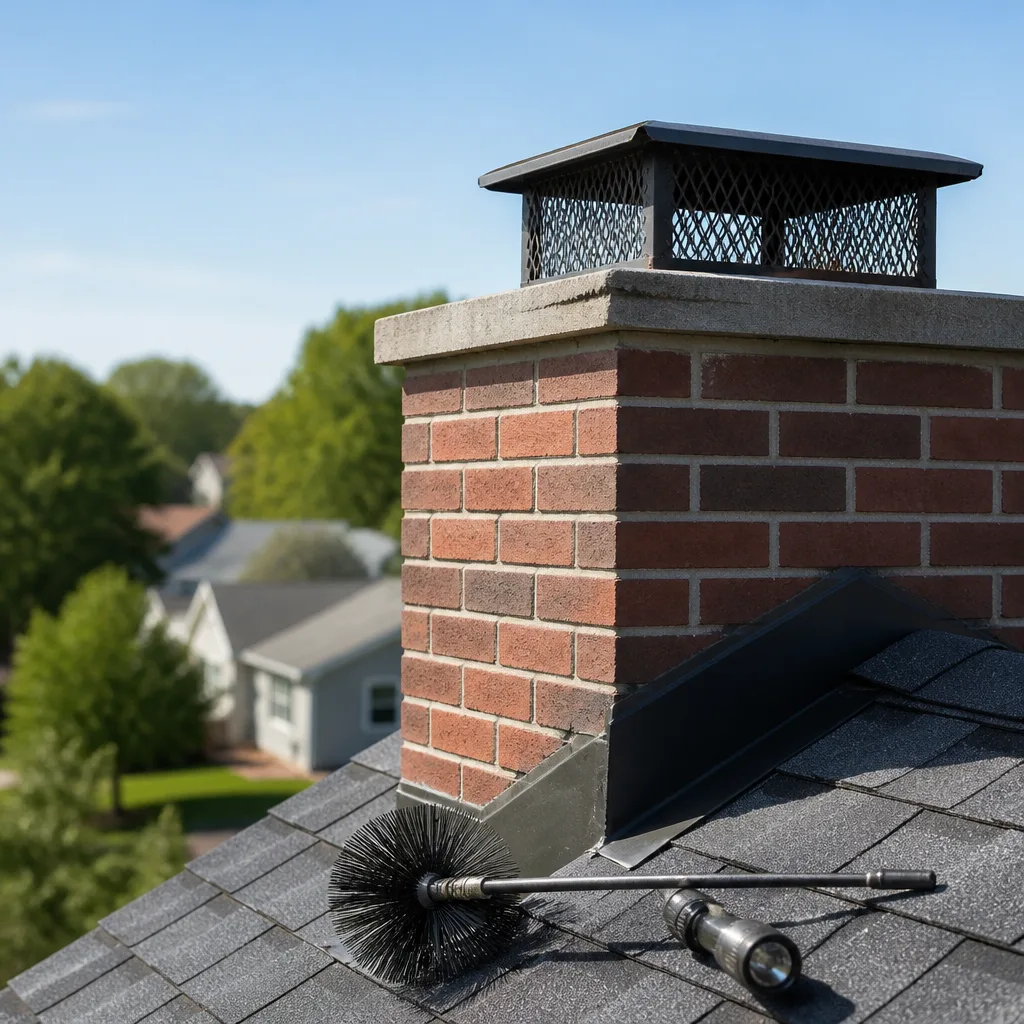 Sweep & inspection
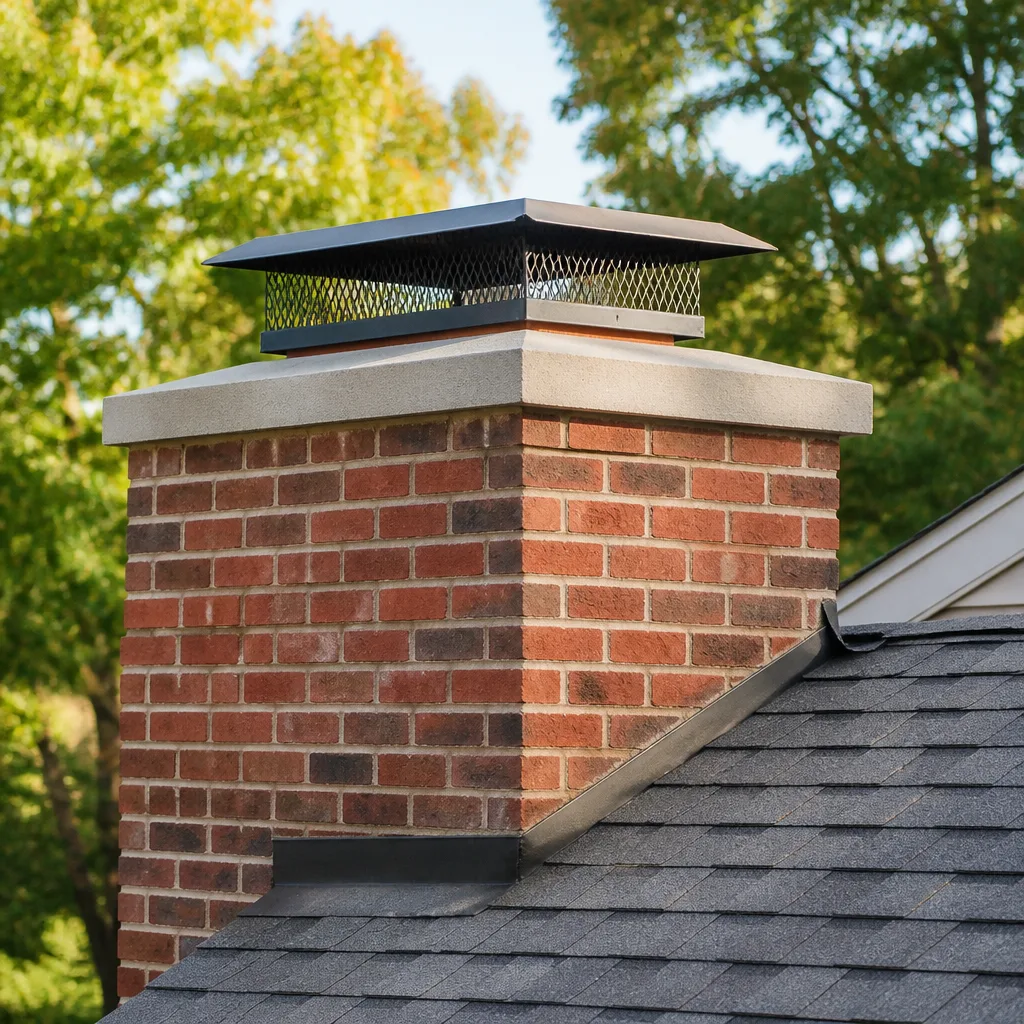 Caps & crowns
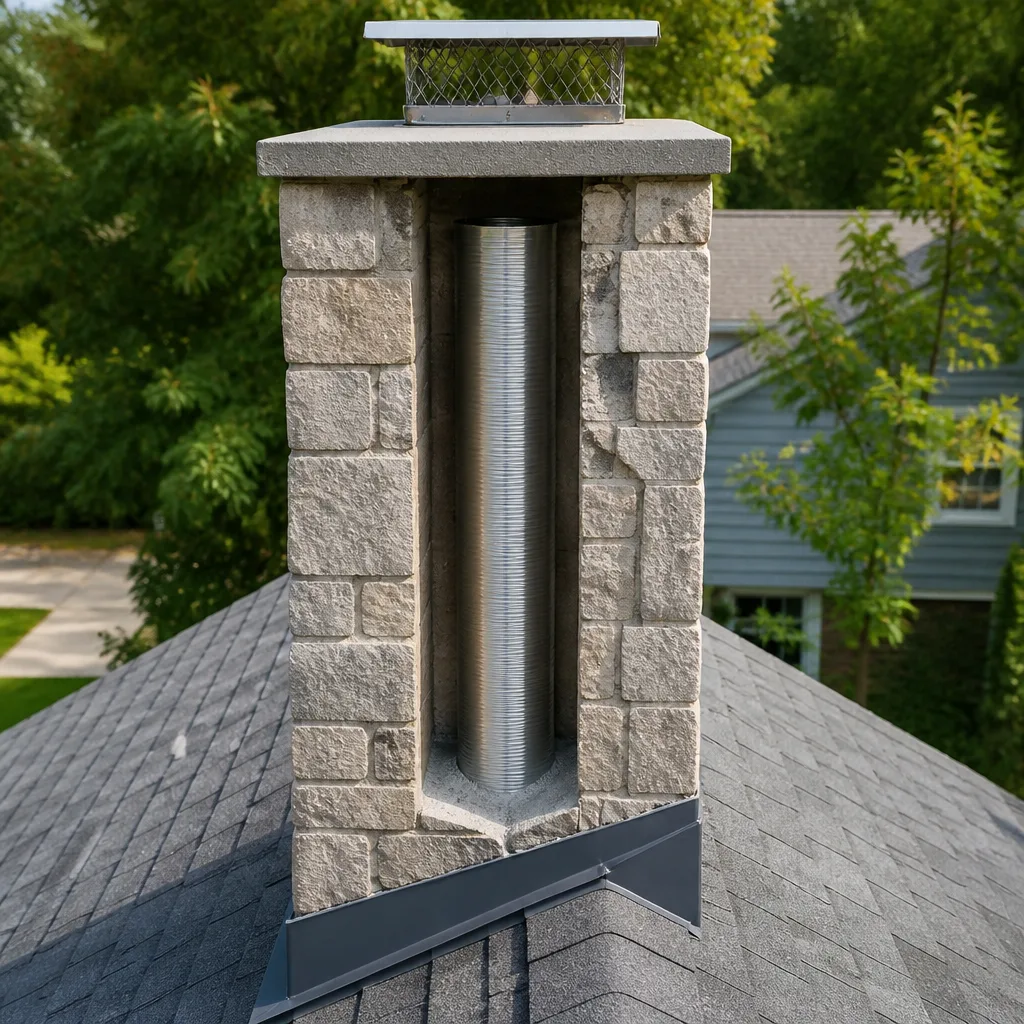 Flue relining
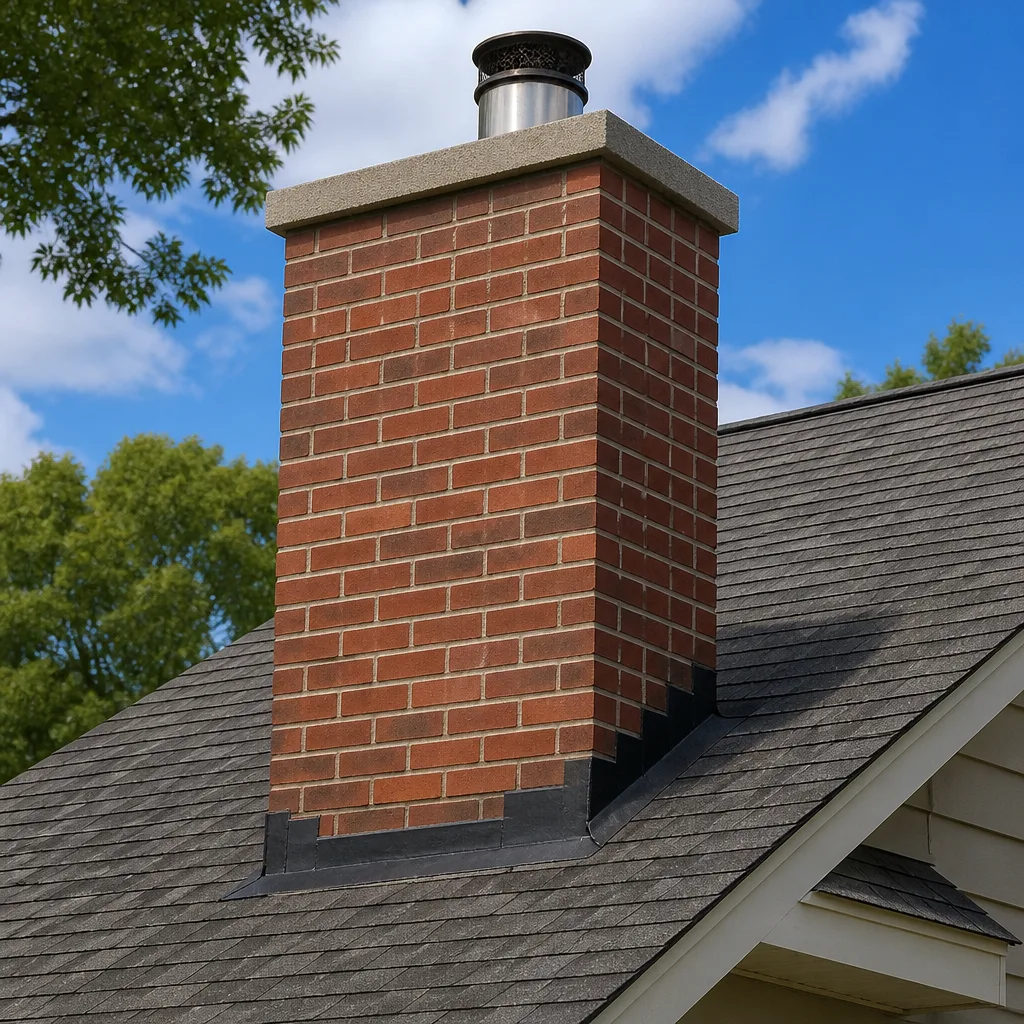 Masonry repair
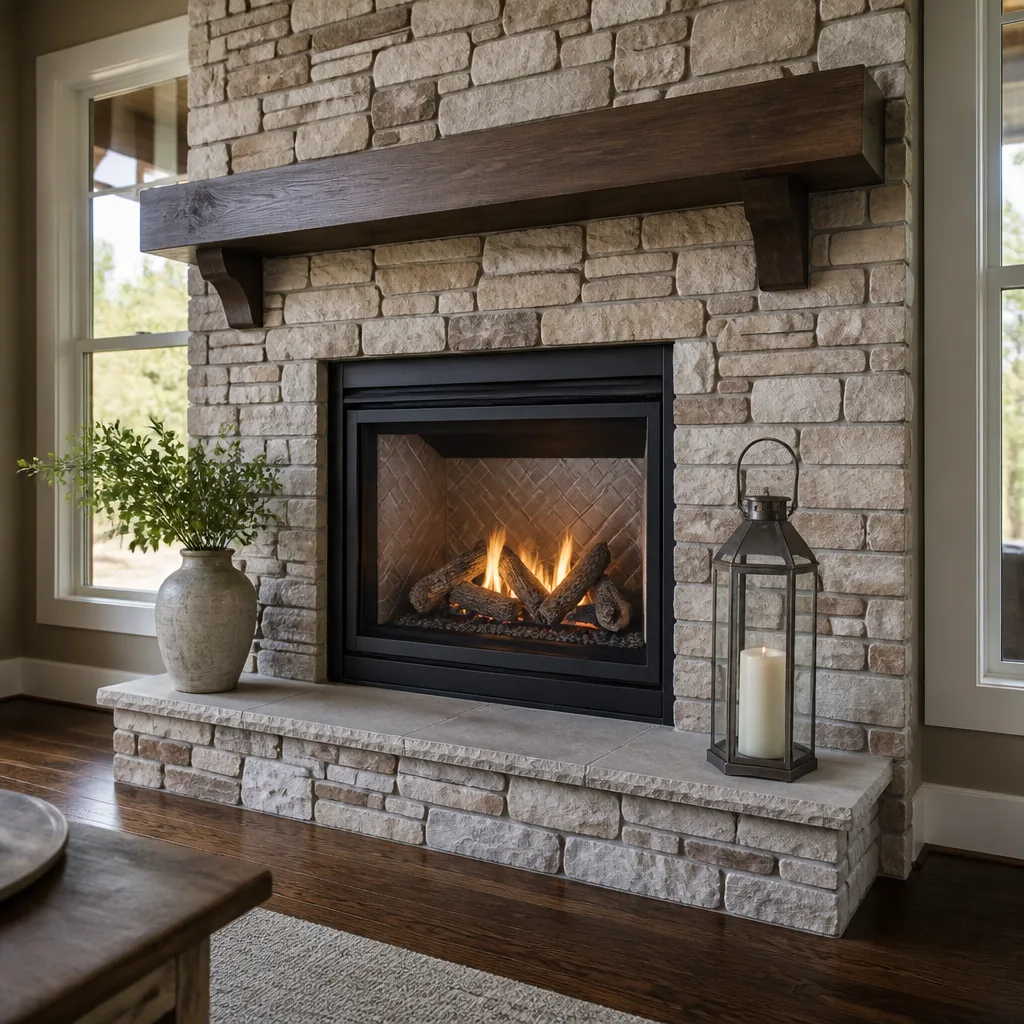 Gas fireplace service
Level 1 sweep and inspection to the NFPA 211 annual standard - flue, crown, cap, and flashing checked and photographed
Chimney sweep logs do not sweep chimneys. They loosen some creosote - which then falls where a brush and vacuum still have to collect it.
How to Hire a Chimney Cleaning Contractor in Salt Lake City: A Step-by-Step Guide
Utah does not require a state license to call yourself a chimney sweep, which means the burden of vetting falls entirely on the homeowner. Most people don’t know what to ask. They get a friendly voice on the phone, a price that sounds reasonable, and a technician in their living room before anyone has checked a single credential. The chimney gets swept, the invoice gets paid, and nobody asks whether the vacuum was HEPA-sealed, whether the flue was actually inspected, or whether the “you’re good to go” was based on a flashlight glance or a real report.
This guide gives you the specific questions and credentials that separate a qualified Salt Lake City chimney professional from a generalist handyman with a brush. You’ll learn which certifications actually apply, what a legitimate written report looks like, how to verify insurance for chimney work specifically, and the red flags that show up on websites and proposals before anyone climbs onto your roof.
Quick Answer
To hire a chimney cleaning contractor in Salt Lake City, verify two credentials first: CSIA Certified Chimney Sweep status for the sweep and NFI certification for any fireplace work, because Utah itself does not license the trade. Ask for the written inspection report format, confirm the vacuum uses HEPA containment, and get proof of chimney-specific insurance before you book. A qualified contractor answers all four without hesitation.
Styles & brands we work with
- Sweep & inspection
- Caps & crowns
- Flue relining
- Masonry repair
- Gas fireplace service
Table of Contents
- Why Utah’s Missing License Changes Everything
- CSIA vs. NFI: The Two Certifications That Actually Matter
- Red Flags on Websites and Proposals
- The Vacuum Question: HEPA Containment vs. Open Discharge
- What a Legitimate Inspection Report Contains
- How to Verify Chimney-Specific Insurance
- The Exact Questions to Ask Before You Book
- Why Materials Reveal the Technician
- Common Mistakes to Avoid
- When to Call a Professional
- Frequently Asked Questions
Why Utah’s Missing License Changes Everything
Most states with high chimney fire rates also regulate the trade. Utah doesn’t require a state-issued chimney sweep license, which puts the vetting work squarely on the homeowner. The practical effect: the word “professional” on a business card proves nothing. Anyone can print it.
That matters more in Salt Lake City than homeowners realize. The valley’s housing stock runs from turn-of-the-century brick in the Avenues and Capitol Hill to 1990s construction in Sandy and Draper, and each era produces different flue problems. A 1910 brick fireplace in the Avenues has clay tile liners that have likely been through a hundred winters of thermal cycling and possibly a chimney fire nobody remembers. A 2005 home in Daybreak likely has a factory-built fireplace with a stainless liner and a cap that either works or has already let water in. A sweep who doesn’t know the difference won’t spot the failure before it shows up as smoky fireback or staining on the ceiling.
Because there’s no state gatekeeping, the market includes three tiers of operator:
- Full-system specialists who sweep, inspect, repair liners, install caps and crowns, and rebuild damaged chimney structures – and carry certifications to prove the depth.
- Sweep-only operators who do a competent cleaning but hand off every repair to someone else, which means nobody owns the full diagnosis.
- Generalist handymen who added “chimney cleaning” to a service list and use consumer-grade equipment with no certification, no specialized insurance, and no realistic ability to find a cracked flue.
Tiers one and three can look identical on a website. They aren’t identical when a technician is on your roof or in your firebox. The rest of this guide is about telling them apart before the appointment, not after.
One note on scope: [INTERNAL-LINK-REQUIRED]
When you consider the whole chimney system – sweep, inspection, cap and crown, fireplace repair, and structural chimney repair – choosing a specialist who covers all five means no handoff between contractors and no gap in accountability. That’s the principle behind “one call covers the whole chimney,” and it’s worth weighing when you’re hiring a Salt Lake City Chimney Sweep or any other contractor in the valley.
CSIA vs. NFI: The Two Certifications That Actually Matter
CSIA Certified Chimney Sweep status and NFI certification cover different things, and a full-system contractor holds both. CSIA (Chimney Safety Institute of America) certifies the sweep – the person who cleans, inspects, and diagnoses the system. NFI (National Fireplace Institute) certifies the technician who services, installs, or repairs gas, wood, and pellet hearth appliances. If your job involves only a cleaning, CSIA is the credential to verify. If it involves a fireplace repair or a gas appliance, you want NFI on the crew too.
Why both matter more than general contractor licensing in Utah: a general contractor’s license is about structural and business competency, not chimney science. It does not test whether a technician can read a flue’s condition from the inside, spot a hairline crack in a clay tile, or know which liner resurfacing method fits a specific failure. The certification exams do.
How to verify a certification:
- Ask the company for the technician’s CSIA certification number.
- Look the number up directly on the CSIA website – do not rely on a certification logo on the company’s own page.
- If fireplace repair is involved, ask separately for the NFI certification and confirm which fuel type (wood, gas, pellet) the technician is certified for.
- Ask whether the person arriving at your home is the certified technician or an apprentice working under one.
- Confirm the certification is current, not expired – both credentials require renewal.
Certification doesn’t guarantee a perfect job. It does guarantee that the technician passed an exam on the actual failure modes of chimneys, that continuing education is required, and that a code of conduct exists. In a state with no licensing floor, that floor is what you’re hiring.
Our own technicians have up to 14 years of experience, and that experience is what answers the questions a certification exam can only set up. The point of asking about credentials isn’t to be difficult. It’s to find out whether the person on your roof has seen what they’re about to look for.
Red Flags on Websites and Proposals
Red flags show up before anyone knocks on your door, and the pattern is remarkably consistent. A website that treats chimney cleaning as one of twenty services is a handyman shop. A website that treats chimney work as the whole business – sweep, inspection, cap and crown, fireplace repair, structural repair – is a specialist.
Specific red flags to watch for:
- “Chimney cleaning” listed beside roofing, gutters, pressure washing, and lawn care. Depth matters here. A company doing twenty trades is not a chimney specialist.
- No named certifications anywhere on the site. A qualified sweep is proud of CSIA and NFI credentials and lists them.
- No mention of inspection as a separate service. If inspection only exists as an add-on to cleaning, that’s an upsell structure, not a diagnostic one.
- Proposals that quote a repair price with no inspection findings attached. A liner, crown, or cap price without a written diagnosis is a guess dressed up as a quote.
- “We are fully licensed and insured” with no specifics. Ask what insurance, in what amount, and whether it specifically covers chimney work.
- No photos in the proposal. A real inspection produces photos. A verbal “your flue looks fine” produces nothing you can verify.
- Same-day quotes for large repair jobs. A legitimate estimate follows a real inspection, not a quick look from the driveway.
One more: any proposal that recommends a full liner replacement without explaining why a repair-first option like HeatShield ceramic resurfacing doesn’t apply. HeatShield is a professional liner restoration system that can restore a deteriorating flue without full replacement in suitable cases. A contractor who never mentions resurfacing as a possibility may not know it exists, which tells you something about their training.
The Vacuum Question: HEPA Containment vs. Open Discharge
Before anyone enters your home, ask what vacuum they use and whether it’s HEPA-sealed. This is the single most under-asked question in chimney hiring, and it separates professional setup from a shop vac with a hose draped out a window. A proper chimney vacuum uses HEPA filtration with a sealed containment system – dust and soot go into a filter and a bag, and nothing comes back into the room. An open-discharge vacuum pushes fine soot into the air, where it settles on furniture, upholstery, and every horizontal surface in the room for days.
Why it matters in Salt Lake City specifically: valley homes run tighter than most because of winter heating and air conditioning seasons that keep windows closed. Fine soot particles in a sealed house stay airborne longer, and the residue is genuinely difficult to clean out of fabric. A sweep using the wrong vacuum turns a routine appointment into a week of cleaning.
What to ask:
- Is the vacuum HEPA-filtered? What filter rating?
- Is the system sealed at the firebox, or does the hose simply get laid in the opening?
- Is there a drop cloth and a negative-air setup, or just a tarp?
- Does the company take before and after photos of the firebox and surrounding area?
Our answer to these questions is straightforward: professional-grade equipment, sealed containment, and a system that keeps the soot in the machine rather than in your living room. A contractor who can’t answer the vacuum question in a sentence has probably never been asked.
The same principle applies to the repair and installation side of the business. A sweep using consumer-grade equipment is likely also sourcing consumer-grade parts, and this is where materials start to matter. Professional chimney work calls for flexible stainless liner systems like DuraFlex and Olympia Chimney, liner resurfacing materials like HeatShield, and components from names like Gelco. The brands aren’t the point – the point is that these are the lines full-time chimney technicians specify, not the off-the-shelf substitutes sold at a hardware store.
What a Legitimate Inspection Report Contains
A legitimate written inspection report includes photos of every level of the flue, a documented condition rating, and a plain-language summary of what needs attention now versus what can wait. If you got a verbal “you’re good to go” with no document, you didn’t get an inspection. You got a cleaning with a handshake.
CSIA defines three levels of chimney inspection, and knowing which one you’re buying changes what you should expect:
- Level 1: A visual inspection of accessible portions of the chimney and connected appliance, without tools. Standard for a routine sweep when nothing has changed.
- Level 2: Adds a video camera scan of the flue interior. Required after a chimney fire, after a change in appliance or fuel type, and on real estate transactions. This is the level most homeowners actually need but don’t always get.
- Level 3: Involves removing parts of the chimney or structure to access concealed areas. Reserved for confirmed or suspected hazards.
What a real written report contains:
- Photos of the firebox, damper, smoke chamber, flue interior, crown, cap, and flashing.
- Video footage from the camera scan, provided to you – not just viewed by the technician.
- A condition rating for each component, stated in plain language.
- A findings summary listing what needs work now, what needs monitoring, and what is fine.
- A separate proposal for any recommended repair, with the reason for the recommendation tied to a specific finding.
The photo standard is what makes the difference in practice. Someone recommending a $4,000 liner replacement should be able to show you the cracked tile behind the recommendation. Someone recommending a $300 cap installation should be able to show you the missing cap and the staining inside. If you can’t see the evidence, you can’t verify the recommendation, and no contractor should put you in that position.
If the report is clean, ask when the next inspection makes sense. If it recommends work, ask which findings would change if you waited a season. A contractor interested in a relationship rather than a single sale will answer both questions honestly.
How to Verify Chimney-Specific Insurance
General liability coverage on a business isn’t the same as chimney-specific coverage, and this is where more homeowners get burned than they expect. A generalist handyman may carry a standard contractor policy that doesn’t cover roof work at height, doesn’t cover hot-work exposure, and doesn’t cover structural repair to a masonry chimney. Ask for a certificate of insurance and read what’s actually on it.
What to verify:
- General liability coverage: Ask for the certificate of insurance, listing the policy limits and the company name matching the one on your contract.
- Workers’ compensation coverage: Ask specifically whether technicians working on your property are covered employees or independent contractors. If it’s contractors, ask what insurance the contractor carries.
- Roof and height exposure: Confirm the policy covers work performed on rooftops. Some general policies exclude it.
- Chimney-specific work: Confirm the policy covers liner installation, masonry repair, and cap and crown work – not just cleaning.
- Certificate date: Confirm the certificate is current, not from a policy year that has since expired.
The right answer from a qualified contractor is: here’s the certificate, here’s the policy period, and here’s the specific coverage for each type of work. If you get a vague “we’re fully insured,” ask for the certificate. If they can’t produce it, end the conversation.
Once insurance is confirmed, the next verification step is the scope of work – because a company covered for cleaning but not for structural repair will still quote structural repair. This is the reason it pays to hire a specialist with the full range of chimney capabilities under one roof. Sweep, inspection, cap and crown, fireplace repair, and chimney repair all under one company means the insurance question is answered once, not once for the sweep and again for the repair.
One more piece of the puzzle is materials. A contractor who tells you which liner system they use, and why, is telling you they know the trade. Flexible stainless systems like DuraFlex and Olympia Chimney are engineered for the thermal cycling that Salt Lake City winters produce, and a technician who specifies them for that reason is thinking about the local climate, not just the sale. If the proposal names no materials, ask which ones are specified and why.
The Exact Questions to Ask Before You Book
Print this list, or save it on your phone, and use it on the call. Every question has an expected answer – and a wrong answer that tells you to look elsewhere.
- “Are your technicians CSIA certified? What’s the certification number?” Expected: yes, with a number you can verify on the CSIA site. Wrong answer: “We’re licensed and trained.”
- “Are you NFI certified for fireplace repair?” Expected: yes, with the fuel type specified. Wrong answer: silence or a change of subject.
- “What level of inspection do you perform by default, and does it include video?” Expected: Level 1 for routine, Level 2 when warranted, video provided to you. Wrong answer: “Our guy looks at everything.”
- “Do you provide a written report with photos?” Expected: yes, with photos of every level and a written findings summary. Wrong answer: “We’ll let you know what we find.”
- “What vacuum do you use? Is it HEPA-sealed?” Expected: a specific HEPA system with sealed containment. Wrong answer: “Standard shop vac.”
- “Can I see your certificate of insurance, including chimney-specific coverage?” Expected: certificate sent before the appointment. Wrong answer: an evasive answer, or a certificate that arrives after the bill.
- “Is the inspection a standalone service, or only available with a cleaning?” Expected: standalone. Wrong answer: “We only inspect if we’re already there for a sweep.”
- “If you find a problem, do you recommend repair or replacement first?” Expected: a repair-first outlook, with liner resurfacing explained if it applies. Wrong answer: “You’ll need a new liner” before anyone has looked.
- “What materials do you install for liners and caps?” Expected: named professional-grade brands. Wrong answer: “Whatever the supplier has in stock.”
- “Is the estimate free, and does the written estimate set the final price?” Expected: yes to both. Wrong answer: a range given over the phone that later changes.
You’re not being difficult by asking. You’re doing what a state licensing system would ordinarily do if Utah had one for this trade. A qualified contractor will recognize the questions and respect them.
Why Materials Reveal the Technician
The brands in a chimney proposal tell you more about the contractor than the logo on the truck. Professional chimney work uses professional-grade materials, and the off-the-shelf substitute available at a hardware store is not the same product. A technician specifying HeatShield liner resurfacing for a deteriorated clay flue is a technician who knows the repair-first approach exists. A technician specifying a flexible stainless system from a name like Olympia Chimney is telling you they’re building for the long term, not the immediate invoice.
What to look for in the materials line of any proposal:
- Named liner systems (not “stainless liner”) with the manufacturer specified.
- Named cap and crown materials with the reason for the specification – animal exclusion, water shedding, or both.
- Named resurfacing systems where a repair-first approach fits the finding.
- Photo or specification sheet of the actual product being installed, not a stock image.
- A written explanation of why that material fits your chimney, not just that it’s what they use.
The reason this matters in Salt Lake City specifically is climate. Valley winters produce repeated freeze-thaw cycles that punish masonry, crowns, and exterior chimneys in ways that milder climates don’t. A cap and crown that’s specified for the local weather – with the right water-shedding geometry and the right material expansion profile – lasts longer than a generic cap installed by whoever had one on the shelf. This is the kind of decision that separates a specialist from a generalist, and it shows up in the proposal, not on the website.
If your flue needs attention, the right first call is a chimney sweep performed by a certified technician with the equipment to find problems before they become repairs. If a fireplace has been misbehaving – smoky fireback, draft issues, a damper that won’t seal – the fireplace repair conversation starts with the same inspection. And if the crown or cap has failed, chimney cap & crown work is the specified fix, done with materials chosen for the local weather rather than whatever was in stock.
Common Mistakes to Avoid
- Booking on price alone. The cheapest sweep in the valley is often the one without specialized insurance, HEPA equipment, or certification – and the price difference rarely covers a repair you didn’t need.
- Accepting a verbal “you’re good to go.” No written report means no documented condition, which means no baseline to compare against next year. Ask for photos and the written summary before you pay.
- Hiring a company that lists chimney cleaning beside twenty unrelated trades. Depth of focus is a credential. A specialist doing one service well is not the same business as a generalist adding services.
- Skipping the CSIA and NFI verification step. A logo on a website is not a certification. Look up the number yourself on the CSIA site before you book.
- Not asking about the vacuum. A five-second question about HEPA containment tells you more about the appointment than any review. So does the answer.
- Accepting a liner replacement quote without seeing the evidence. Ask to see the photos and the video. A repair-first option like HeatShield resurfacing isn’t right for every flue, but a contractor who never mentions it may not know it exists.
- Ignoring the salt-and-pepper staining on the ceiling. Water staining at the chimney chase is a crown or flashing failure, not a paint problem. Catching it early is a cap and crown repair; catching it late is a structural chimney repair.
When to Call a Professional
Call a professional chimney contractor when you see staining on the ceiling at the chimney chase, when smoke rolls back into the room on a fire, when you hear an animal in the flue, when the damper won’t seal or the firebox has visible cracks, and when you’re buying or selling a home and need a credible inspection. Call when wood has been burning and you can’t remember the last sweep – a chimney is normally swept on a schedule based on how much you burn, and a season of heavy wood use is enough to load a flue with creosote.
Call when the crown has visible cracks or the cap is missing or damaged, because those are the routes for water and animals and every subsequent problem starts there. And call before you book a liner replacement anywhere else, because a repair-first opinion is worth having before the most expensive option on the menu.
Salt Lake City Chimney Sweep offers free estimates in Salt Lake City – call (866) 947-9124. We answer 24/7. Fast dispatch from 7am to 7pm, Sunday through Friday. The written estimate sets the final price, and nothing is recommended without camera evidence you can see for yourself.
Frequently Asked Questions
Most chimney sweeps in Salt Lake City fall in a typical range of $150 to $350 depending on the flue configuration and whether any inspection is included. Add roughly $100 to $250 when a video inspection is part of the appointment. Every job is priced per the written estimate, which sets the final number. Call (866) 947-9124 for an exact quote – estimates are free.
Only if the inspection evidence shows the existing liner can’t safely contain the flue gases, and that finding has to be documented with photos and video before any replacement is recommended. A deteriorating clay flue can sometimes be restored with HeatShield ceramic resurfacing instead of full replacement, and the right contractor will tell you which applies. Call (866) 947-9124 and ask for the inspection first.
A chimney is normally swept based on how much you burn, and a common working rule is once a year for regular wood burning, more often with heavy use. Salt Lake City winters concentrate burning into a shorter season, which loads a flue faster than year-round use. If it’s been more than a season, book a sweep. Call (866) 947-9124.
Utah does not require a state license for chimney sweeps, so certification from CSIA and NFI is the strongest credential a homeowner can verify. Ask for the CSIA number and look it up on the CSIA site yourself. Call (866) 947-9124 if you want those numbers before you book.
Creosote builds up in the flue with every fire, and once it reaches a thickness that can ignite, the risk is a chimney fire that can damage the liner or spread into the structure. A blocked flue is also a carbon monoxide hazard for any appliance connected to it. Neither risk is visible from the firebox, which is why the sweep exists. Call (866) 947-9124 to get on the schedule.
Yes. A chimney inspection is a standalone service, and it’s the honest starting point if you’re buying a home, selling one, or you simply want to know the condition of the system before booking any work. You get photos and a written report whether or not a sweep follows. Call (866) 947-9124 for a free estimate on the inspection.
A real report includes photos of the firebox, damper, smoke chamber, flue interior, crown, cap, and flashing, plus video footage you keep and a written findings summary. A verbal OK is not an inspection. If you weren’t handed a document, ask why. Call (866) 947-9124.
The Bottom Line
In a state with no chimney license, the certifications, the report standard, the vacuum, and the insurance are the whole vetting process – and none of them show up on a business card. Verify CSIA for the sweep and NFI for fireplace work. Ask for the written report format and photos before you book. Confirm HEPA containment. Ask for the certificate of insurance and read what’s on it. Then check the materials line of the proposal, because the liner systems and crowns a contractor specifies tell you how they think about a chimney, not just how they price a job.
Do that much, and the gap between a qualified Salt Lake City chimney specialist and a handyman with a brush becomes visible before anyone sets foot in your home. Do that much, and every subsequent decision – sweep, inspection, cap and crown, or a repair recommendation you can verify – starts from a position of knowing what you’re buying.
Written by the team at Salt Lake City Chimney Sweep.
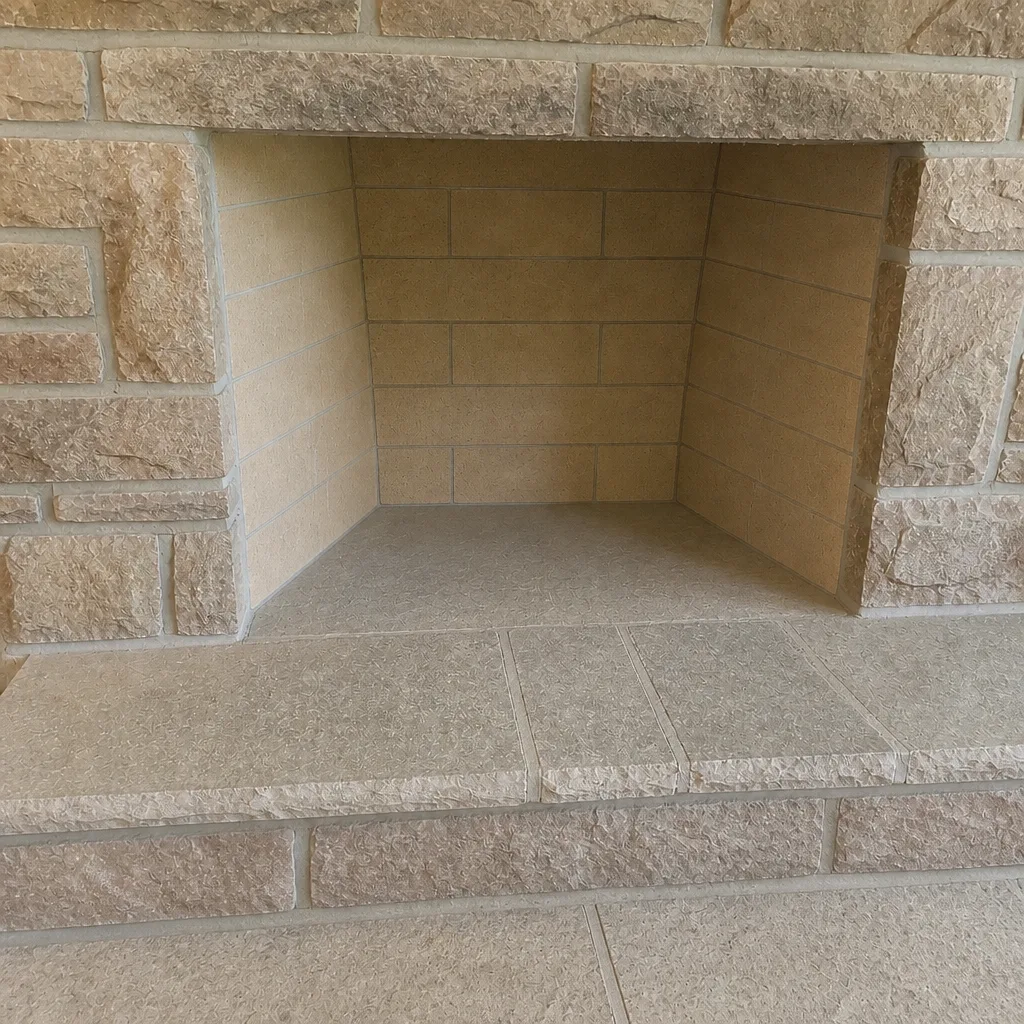
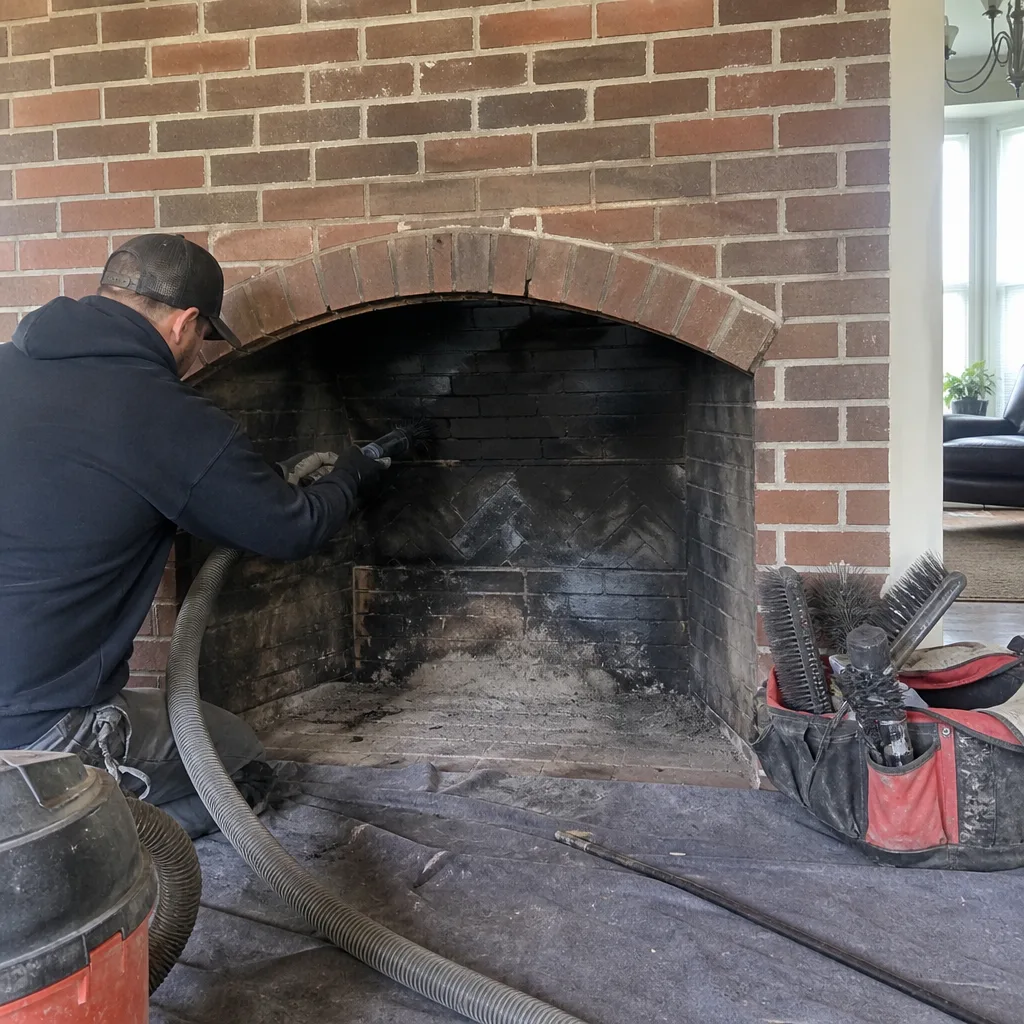
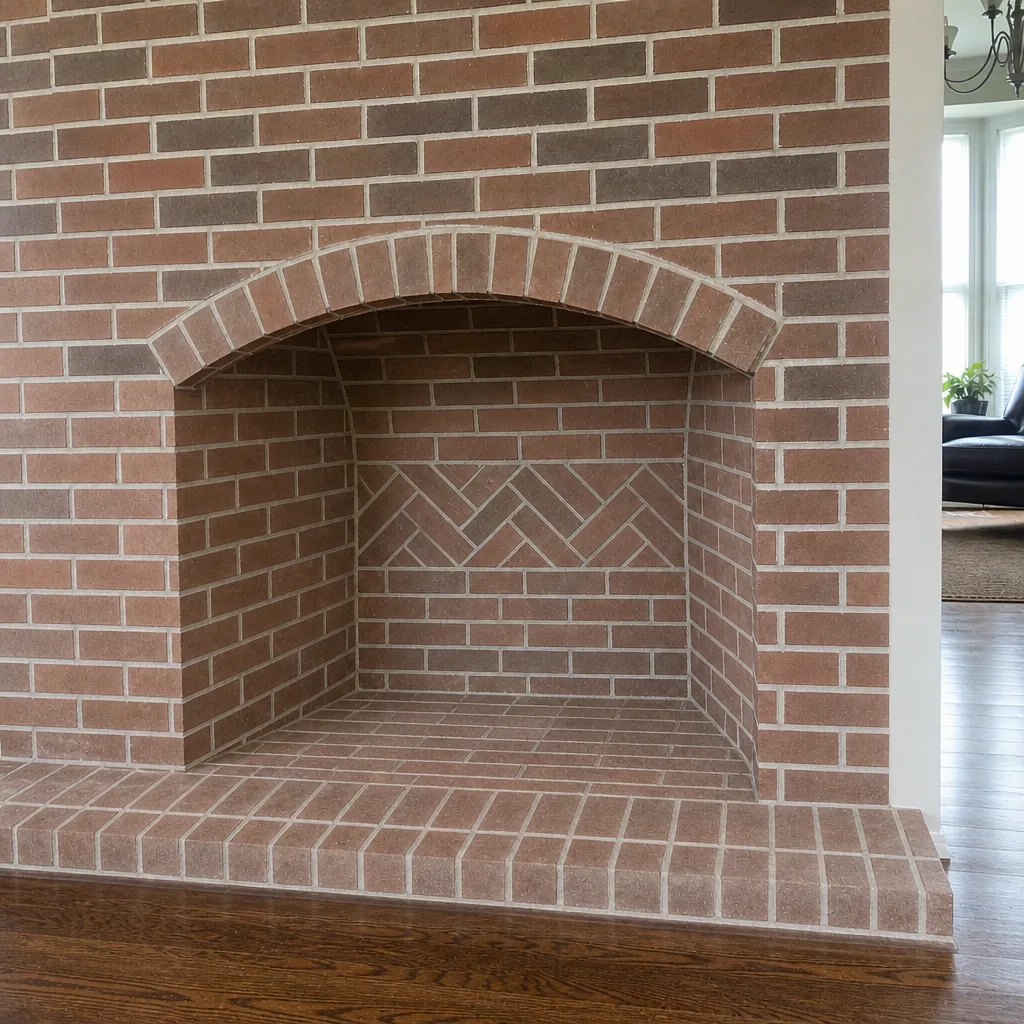
See the difference
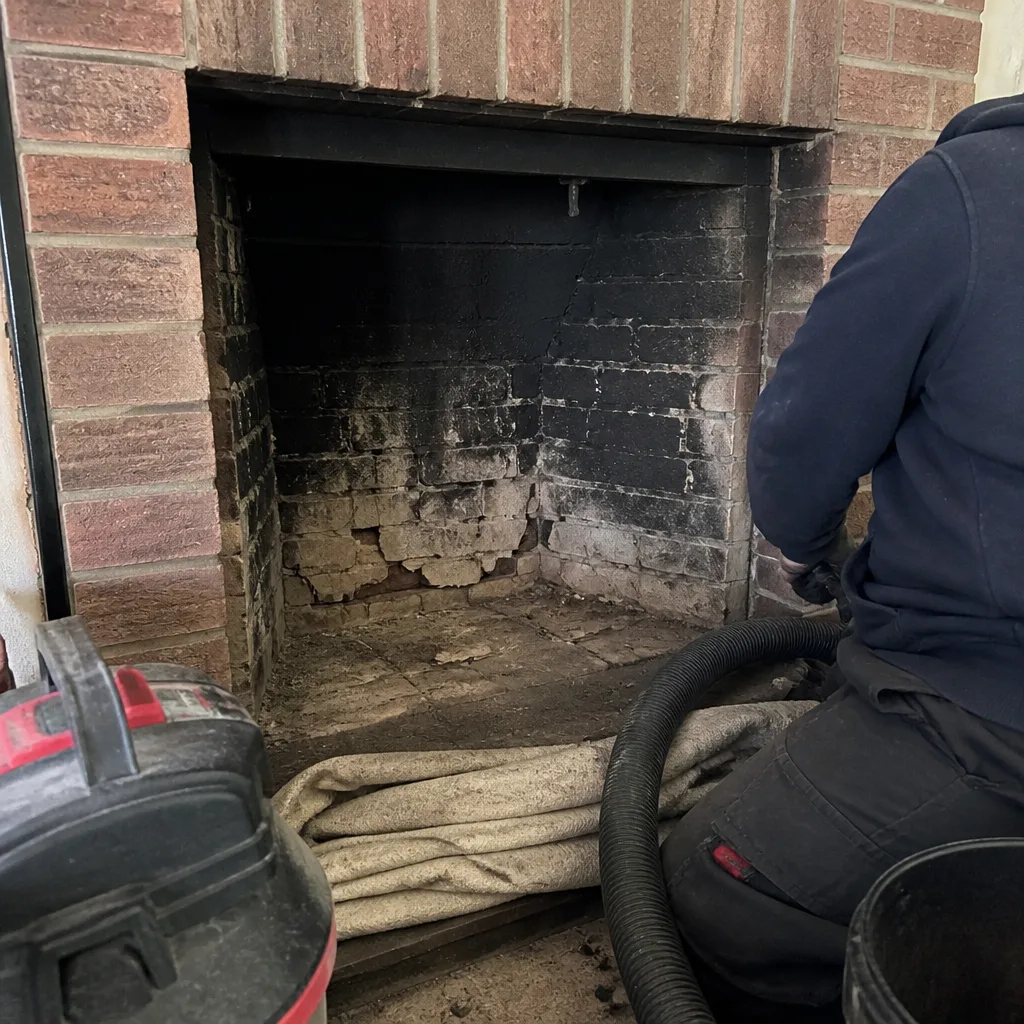 Before
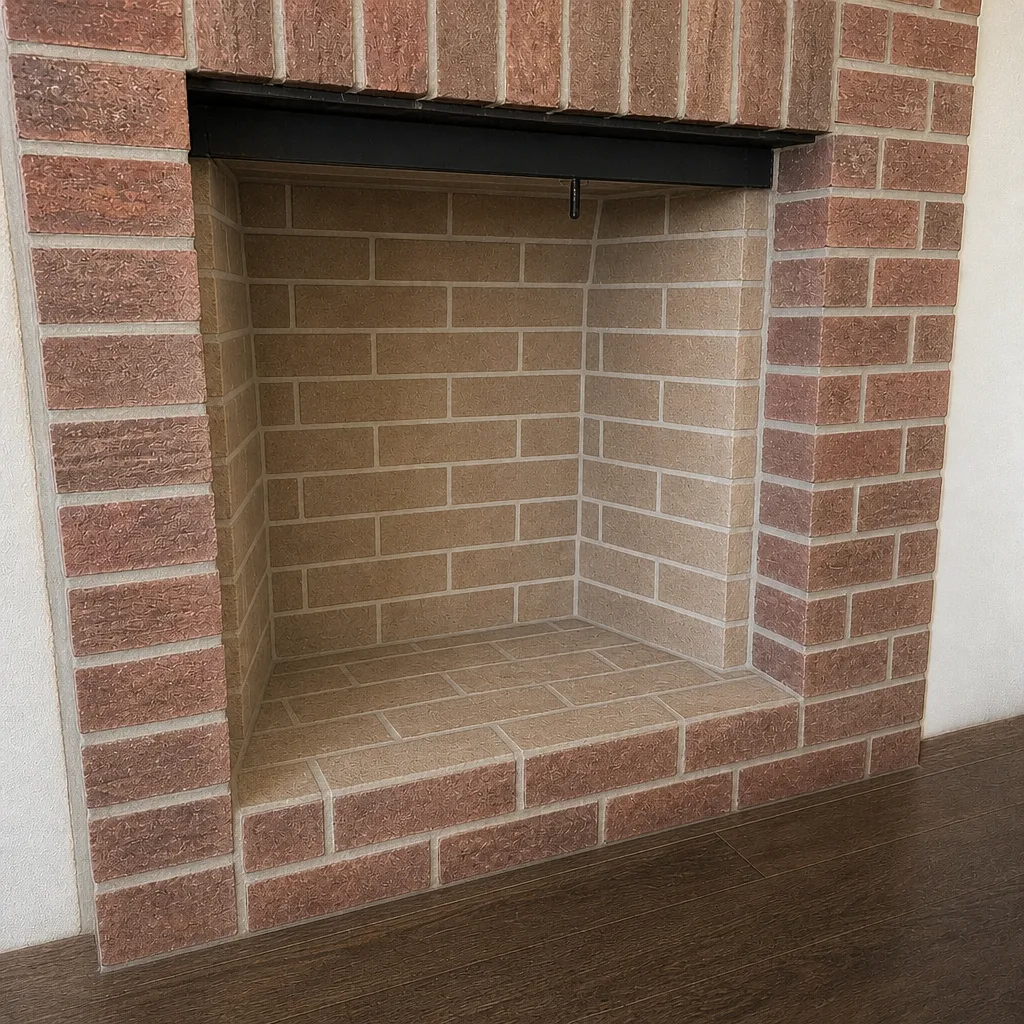 After
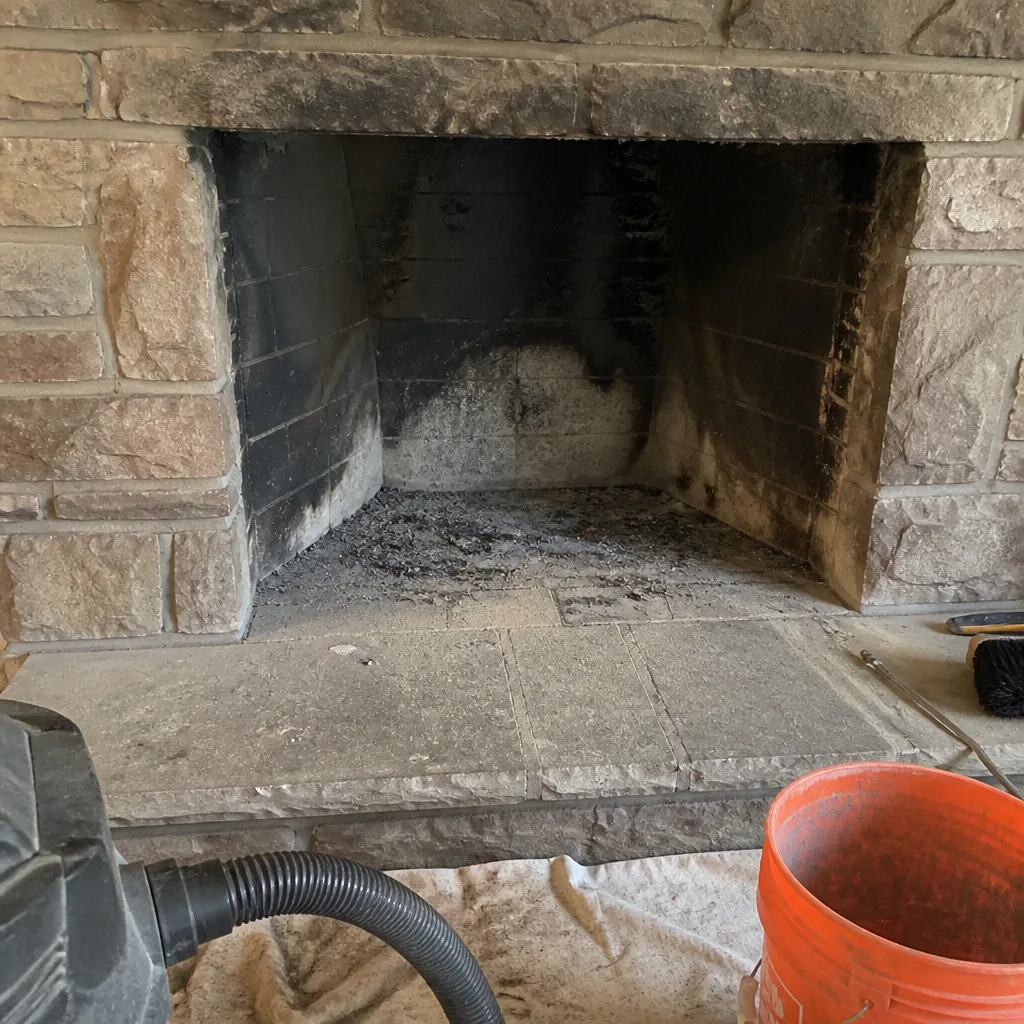 Before
 After
 Before
 After