
Last updated November 25, 2026
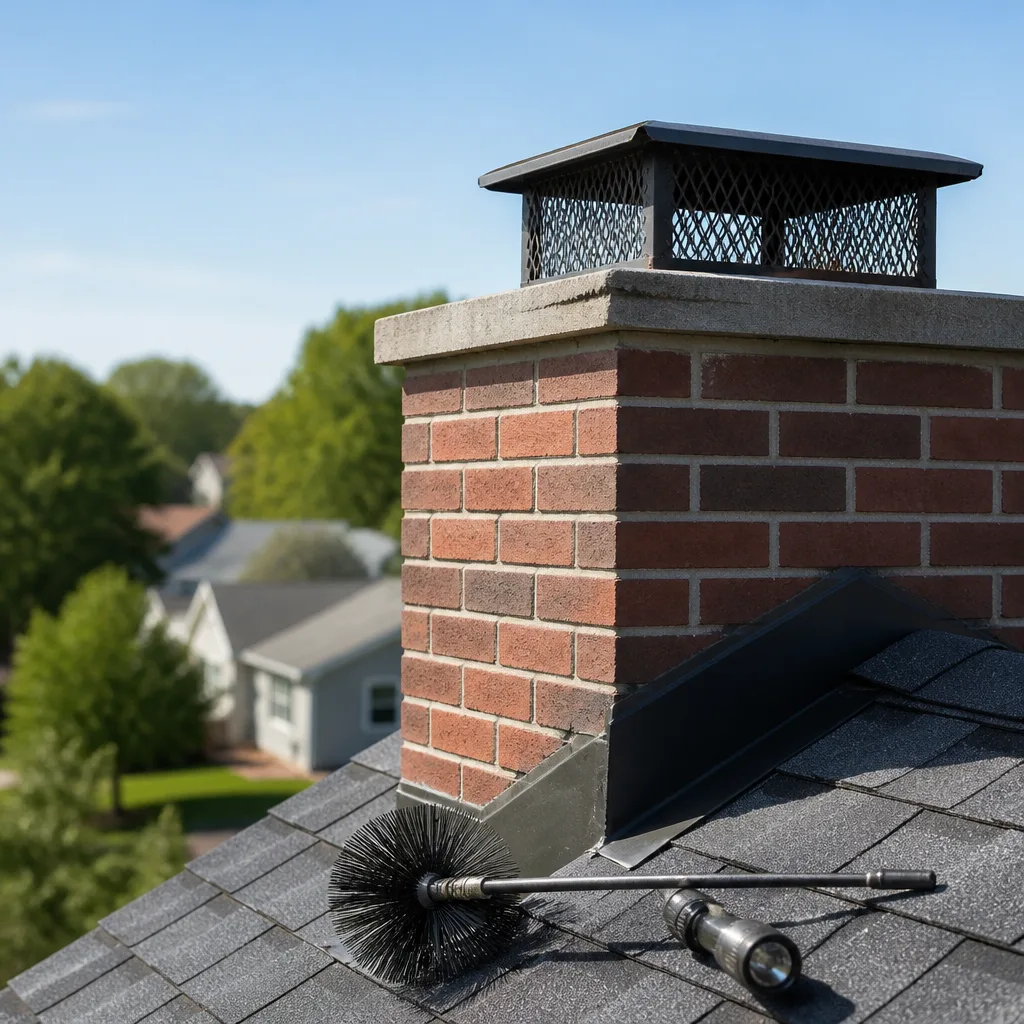 Sweep & inspection
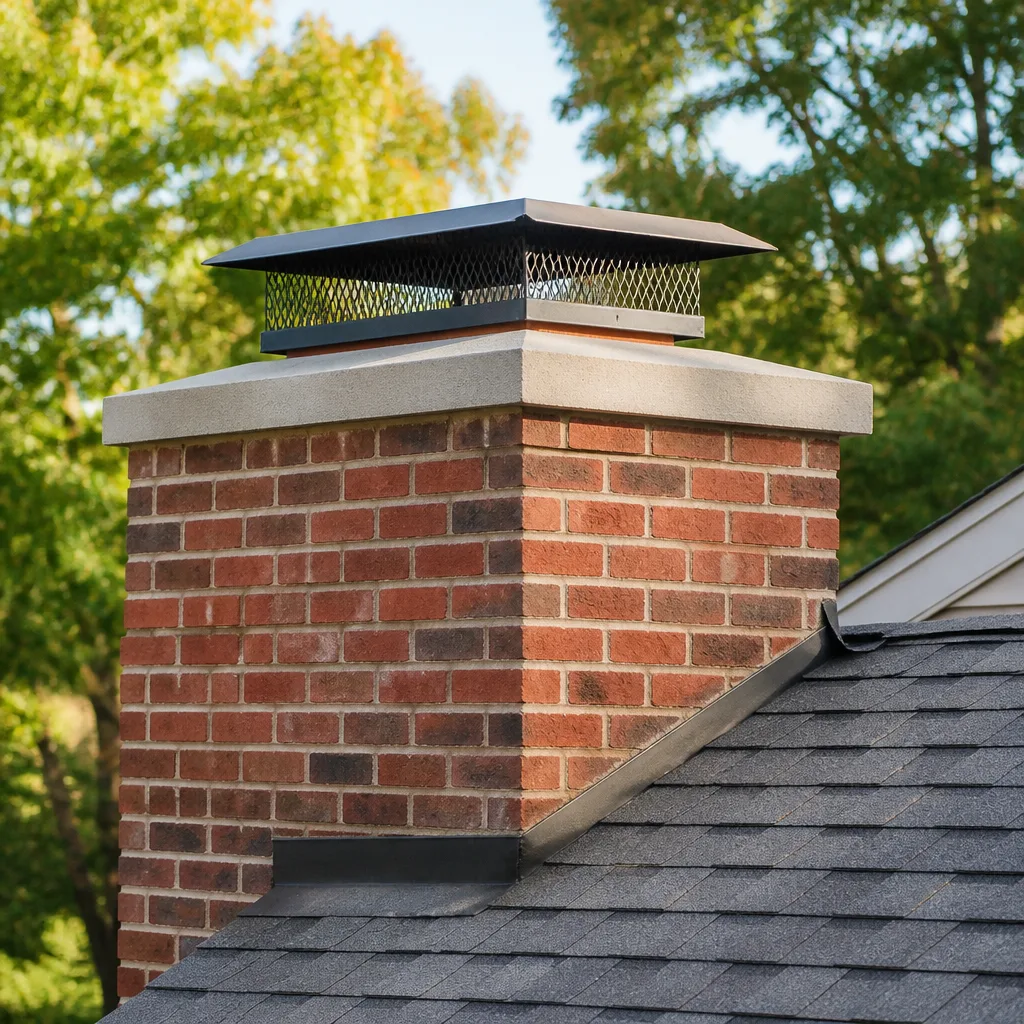 Caps & crowns
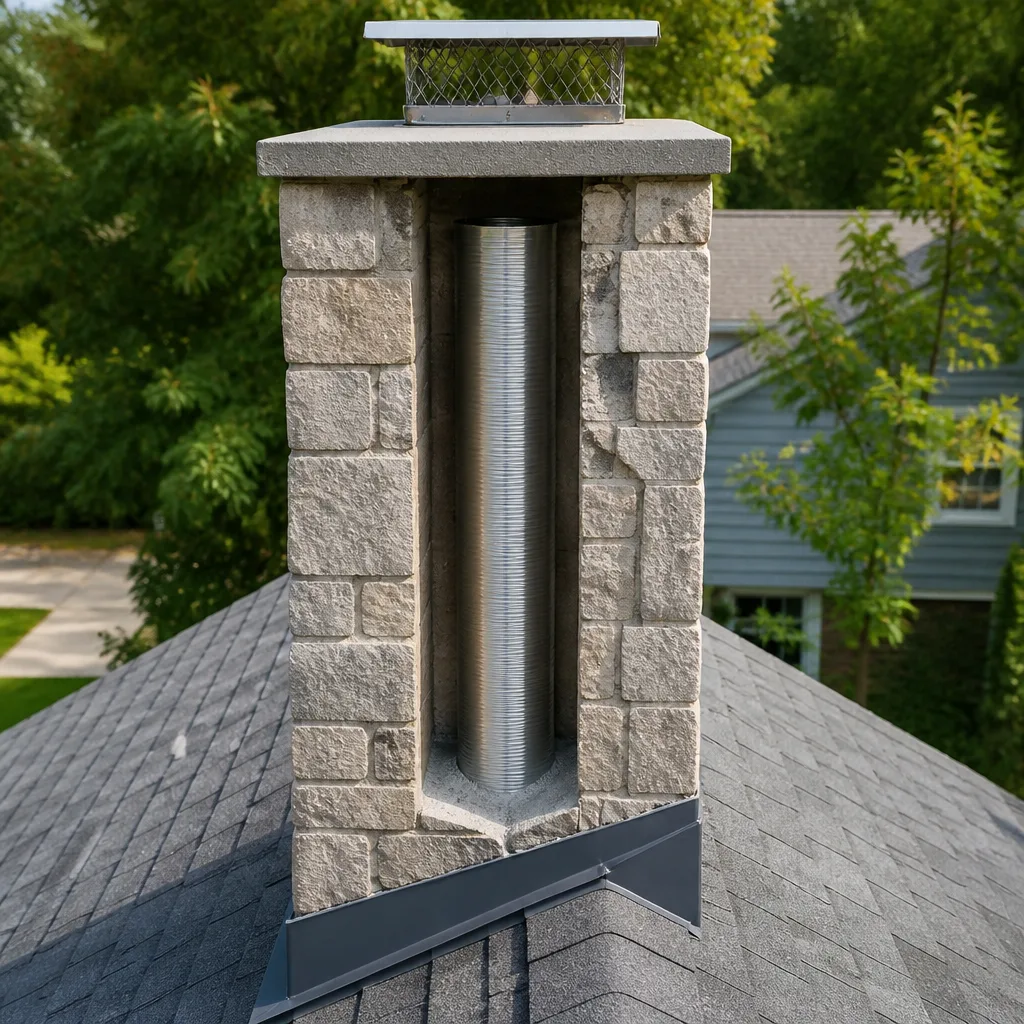 Flue relining
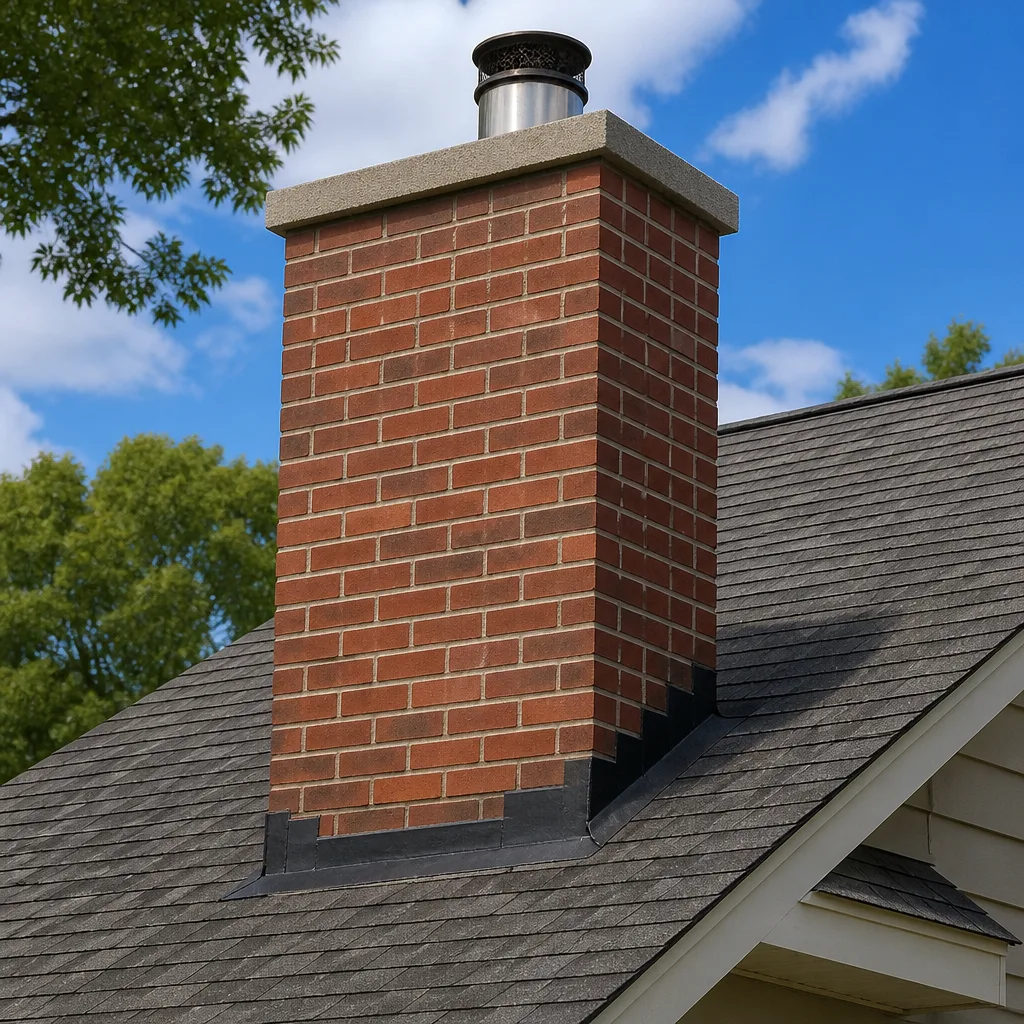 Masonry repair
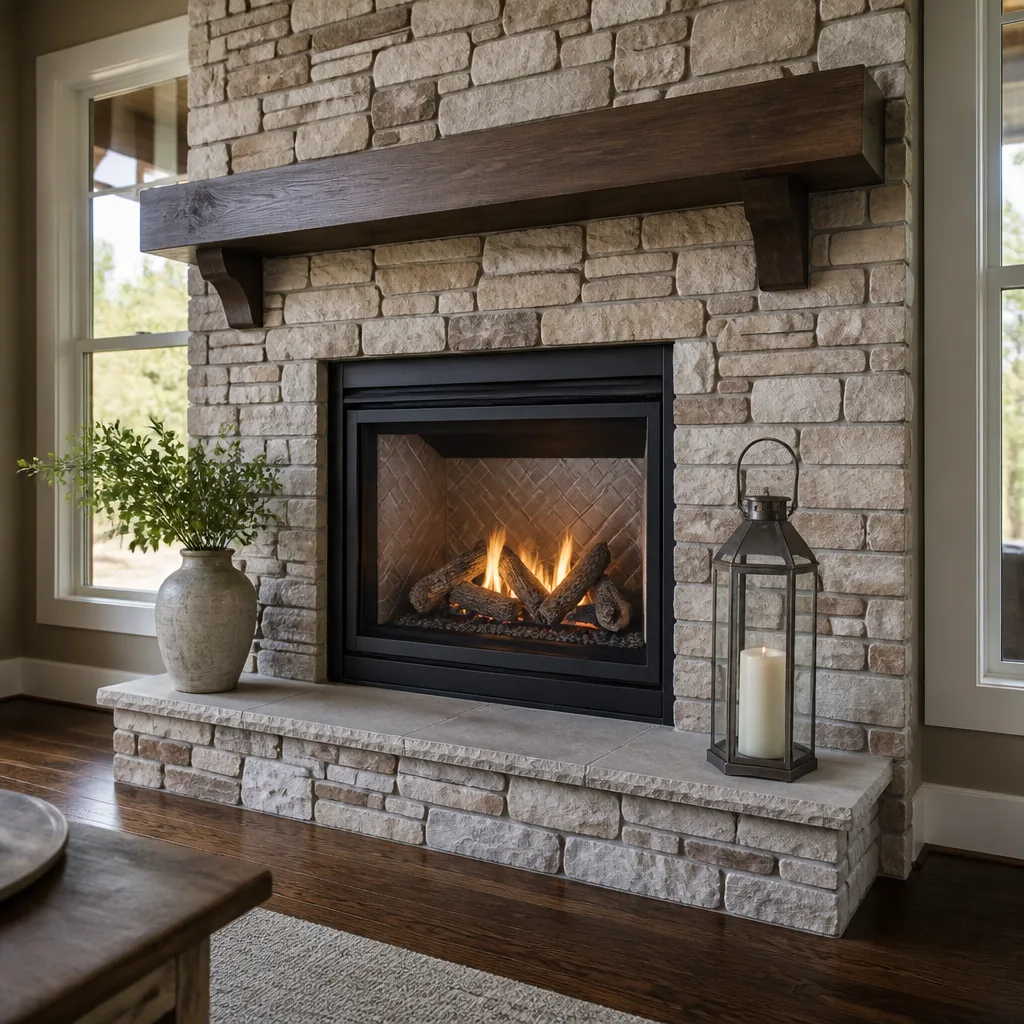 Gas fireplace service
Level 1 sweep and inspection to the NFPA 211 annual standard - flue, crown, cap, and flashing checked and photographed
Chimney sweep logs do not sweep chimneys. They loosen some creosote - which then falls where a brush and vacuum still have to collect it.
Chimney Sweep Maintenance Checklist for Salt Lake City Homeowners
A chimney doesn’t fail all at once. It fails in a predictable order, starting at the crown and working inward, and most homeowners don’t see it because they’re checking the wrong things in the wrong season. By the time smoke backs up or a stain appears on the ceiling, the problem has usually been building for two or three winters through stages nobody looked for. This guide is a sequenced checklist for Salt Lake City homeowners, organized by what fails first, timed to the Wasatch Front’s actual weather calendar, and built so you can catch a $300 problem before it turns into a liner replacement. You’ll learn what to document yourself, what needs a camera-equipped professional, and how to track your system year over year so gradual wear shows up on paper before it shows up as a repair bill.
Quick Answer
The most useful chimney maintenance checklist for Salt Lake City runs in failure order, not room order: check the crown and cap first, then flashing, then the liner, then the firebox and damper. Sweeping should happen before each heating season, inspections should follow every freeze-thaw cycle, and the spring melt is the best window to catch water damage. Anything involving the flue interior requires a professional camera inspection, not a flashlight from below.
Styles & brands we work with
- Sweep & inspection
- Caps & crowns
- Flue relining
- Masonry repair
- Gas fireplace service
Table of Contents
- Why We Build Checklists Around Failure Sequence
- Stage One: The Crown and Cap (Check These First)
- Stage Two: Flashing, Masonry, and Water Pathways
- Stage Three: The Liner, the Firebox, and the Damper
- Month-by-Month Timing for the Salt Lake City Climate
- What to Document Yourself vs. What Needs a Pro
- How to Track Sweep Reports Year Over Year
- Seal It, Cap It, Sweep It: The Proactive Framework
Why We Build Checklists Around Failure Sequence
Generic maintenance checklists are organized for convenience, not for how a chimney actually deteriorates. They’ll tell you to check the firebox, then the flue, then the cap, in whatever order reads well on paper. That’s backwards. A chimney fails from the top down and outside in, because the crown and cap take weather first, and everything downstream is a consequence of that water intrusion.
Here’s the actual order. The crown is the concrete surface at the very top of the chimney that sheds water away from the flue. When it cracks, water travels down between the flue tile and the masonry. That moisture freezes and expands, opens the joints, and then works its way into the liner. The liner deterioration you eventually see in a camera inspection is often the third or fourth step in a chain that started at the crown years earlier. In Salt Lake City’s freeze-thaw pattern, that chain moves fast. We get a hard freeze at night and a thaw during the day for weeks at a stretch, and every one of those cycles pries cracks a little wider.
So the checklist below runs in order of failure probability, not alphabetical or by room. If you check the crown and cap every year and catch cracks early, you’ll almost never get surprised by liner problems. That’s the whole point of sequencing.
- Stage one – crown, cap, and spark arrestor (highest failure probability)
- Stage two – flashing, masonry joints, and exterior water pathways
- Stage three – liner, firebox, damper, and smoke chamber (the expensive stuff)
Stage One: The Crown and Cap (Check These First)
The crown and cap are where most chimney problems begin, and they’re also the cheapest to fix when you catch them early. Start here every single year.
What to check on the crown
The crown is that sloped concrete slab on top of the chimney. Look for hairline cracks, chipping at the edges, or a crown that has separated from the flue tile. Any crack wide enough to catch a fingernail is letting water in. On Salt Lake City rooftops, we see a lot of crowns that were poured thin and have cracked through repeated freeze-thaw. A crown with a proper overhang past the masonry edge sheds water clear of the walls; a flush or undersized crown dumps it right down the side.
What to check on the cap
A cap with a mesh spark arrestor does two jobs: it keeps rain out of the flue and it keeps animals out. In the foothill neighborhoods around Salt Lake City, from the Avenues up toward the bench, raccoons and birds get into uncapped chimneys with real regularity. Check that the mesh is intact (squirrels chew through cheap screen), that the cap is still fastened down, and that there’s no rust-through on the top panel. Cracked crowns and missing caps are the two most common causes of the water stains and animal intrusions we’re called out for, and both are simple to correct when you catch them early.
If your cap is missing or your crown is cracking, that’s a job for chimney cap & crown work done properly with a proper weather-shedding crown and a fastened, rust-resistant cap, not a caulk-and-hope patch.
Stage Two: Flashing, Masonry, and Water Pathways
Once the top is sound, work downward to where the chimney meets the roof. This is the second most likely place for trouble, and it’s the one most homeowners never look at because it’s out of sight from the ground.
- Flashing – the metal where the chimney passes through the roof. Check for lifting, gaps, or failing sealant. Water that gets in here travels down the masonry and shows up as interior ceiling stains far from the chimney.
- Masonry joints – look at the mortar lines on the exterior for crumbling, for joints that have receded, or for white powder (efflorescence) that signals moisture moving through the brick.
- Spalling brick faces – brick faces that are flaking or popping off. Freeze-thaw is the usual cause, and once the face goes, the brick absorbs water fast.
- Chimney lean or separation – a chimney that leans slightly away from the house, or a visible gap where it meets the roofline, needs a professional eye before another winter.
The Salt Lake Valley’s spring melt is the cruelest test of this stage. Snow sits on the roof, melts during warm afternoons, and refreezes at night, and any gap in the flashing or masonry gets water forced into it repeatedly. That’s why we recommend inspecting the exterior in early spring, right after the melt, when moisture stains and new cracks are easiest to spot. Any structural repair on the masonry itself should be done with professional-grade materials, not hardware-store mortar, because the mix has to match the brick’s expansion and breathability.
Stage Three: The Liner, the Firebox, and the Damper
These are the components that cost the most to repair, and they’re the reason stage one and stage two matter so much. A liner that’s failing is often the last domino. Check these annually, but understand that anything inside the flue needs a camera to assess honestly.
The liner
The flue liner carries combustion gases up and out. Clay tile liners crack with heat cycles and age; metal liners can develop gaps at the seams or corrode. You cannot judge a liner’s condition with a flashlight from the firebox, because most of the damage is above the smoke chamber and behind a bend. This is genuinely a camera-inspection item. When a liner is compromised, the fix ranges from resurfacing to full relining. HeatShield, a ceramic resurfacing system, can restore a deteriorating clay flue without a full liner replacement in the right cases, which saves real money. When full relining is the right call, a flexible stainless system such as DuraFlex or Olympia Chimney is the standard professional choice.
The firebox and damper
The firebox takes direct heat and will crack over time. Look for cracks in the firebrick or gaps in the mortar. The damper plate is the piece many Salt Lake City homeowners overlook, especially in homes that run a gas insert alongside a wood-burning fireplace. The damper has to open fully and seat fully. A damper that’s stuck partly open can let heated house air escape up the flue all winter; one stuck shut with a fire going is a smoke-in-the-room problem. Check it opens and closes freely, and if you’ve converted a fireplace to a gas insert, confirm the damper situation matches how that insert is meant to vent. When firebox cracks or damper hardware need attention, that’s fireplace repair territory, and the material matters.
Month-by-Month Timing for the Salt Lake City Climate
Timing is half of maintenance. This schedule is built around Salt Lake City’s actual weather year, including the winter inversion season that keeps smoke and cold air trapped against the valley floor. The point is to get ahead of each stress period, not react after it.
- Late summer / early fall (before the first fire) – Schedule your sweep and inspection now. This is the pre-inversion window. Once the valley settles into a cold inversion, nobody wants to open up a chimney, and you want a clean flue with a fresh inspection on record before the first burn. Check the crown and cap before this appointment so any issues get addressed in the same visit.
- First cold snap – Note whether your first fire draws well. Weak draft on a cold night is an early signal of a blocked or undersized flue.
- Midwinter – Watch for smoke roll-out, soot on the firebox face, and any new creosote smell. These are symptoms to log, not to ignore until spring.
- Post-freeze / late winter – After the hardest freeze cycles, check the exterior crown, flashings, and masonry for new cracks. Freeze-thaw is the top killer of crowns and mortar joints here.
- Spring melt inspection window – Right after the snow clears is the best time to catch water damage from the entire winter. Look for interior staining, efflorescence, and spalling while the moisture evidence is still fresh.
- Summer – Repairs, liner work, and cap and crown installation are most comfortable to do now, before the next heating season. It’s also when a chimney inspection ahead of a home sale fits naturally.
Two sweeps a year is the right rhythm for a heavily used fireplace in Salt Lake City, and one sweep plus one inspection is right for a lightly used gas insert. The U.S. benchmark most professionals follow is an annual inspection, with a sweep whenever the flue has enough creosote to warrant it.
What to Document Yourself vs. What Needs a Pro
You can safely document a lot from the ground with a phone camera. Knowing the line between “photograph it” and “leave it alone” saves you money and keeps you out of danger.
Safe to document yourself
- The exterior crown, cap, spark arrestor, and masonry from the ground or a securely placed ladder
- Any interior ceiling or wall staining near the chimney, with a photo and the date
- The damper plate on a cold, unlit fireplace (does it open and close fully?)
- The firebox for visible cracks in the firebrick or mortar
- Any soot streaks, smoke marks, or creosote smell, with a note on when they appear
Leave to a camera-equipped professional
- The flue interior and liner – This is the big one. You can’t see the damage from below, and a phone down the chimney doesn’t reach far enough to tell a cracked tile from an intact one.
- The smoke chamber – The sloped area above the damper is a common creosote collection point and is basically invisible from the firebox.
- Anything that requires opening or dismantling – Never take apart damper hardware or reach up the flue yourself. Creosote is flammable and the flue can hold loose debris.
- Structural assessment – A leaning chimney or separated flashing needs a trained eye, not a guess.
Safety comes first here. Creosote build-up inside a flue fuels chimney fires, and carbon monoxide from a blocked or leaking flue has no smell. Those are reasons to keep the flue clean and inspected, not reasons to go poking at it yourself. When in doubt, get it inspected. Salt Lake City Chimney Sweep performs inspections as a standalone service, not just as an add-on to a sweep, so you get an honest baseline on your system’s actual condition whether or not any repair follows.
How to Track Sweep Reports Year Over Year
This is the step almost nobody does, and it’s the one that turns maintenance from guesswork into a record you can read. Gradual deterioration is invisible in any single year. In a stack of five years, the trend jumps out.
Every time your chimney is swept or inspected, keep the written report. The report should tell you several things: the amount and type of creosote found (glazed creosote is a bigger concern than sooty buildup), the condition of the crown and cap, any liner observations with photos, and the sweep’s notes on the firebox and damper. Then do the tracking yourself in a simple spreadsheet or a folder of dated photos.
- Label every report and photo set with the date and what was serviced (sweep or inspection).
- Track the creosote stage year over year. Rising buildup at the same usage level can signal a draft problem.
- Photograph the crown each time so cracks can be compared, not just remembered.
- Keep the inspector’s written recommendations, even ones you don’t act on that year, so you can see whether a recommendation reappears.
- Note any changes to how you use the fireplace (new insert, more frequent fires), because that changes the maintenance needs.
The payoff is real. A crown crack that shows up in the photos in year one and widens by year two is a small repair. The same crack caught only when the liner has failed is a much larger bill. When a sweep report delivers a camera inspection and photo documentation, you can see the evidence yourself rather than taking a recommendation on faith.
Seal It, Cap It, Sweep It: The Proactive Framework
The maintenance sequence above is really three actions in a loop: seal it (crown and flashing, the water defense), cap it (the animal and rain barrier), and sweep it (the flue, before creosote builds). When you run those three in order each year, you’re handling the failure sequence at stage one instead of stage three.
The advantage of a full-system specialist is that you don’t hand off from a sweep-only company to a separate masonry contractor to a third party for a liner. Salt Lake City Chimney Sweep covers sweeping, inspection, cap and crown installation, fireplace repair, and chimney repair in one place, and all repair and installation work uses professional-grade materials from trade-specific manufacturers like Olympia Chimney, Famco, Copperfield, and DuraFlex. Materials make the difference between a repair that holds through Salt Lake City’s freeze-thaw and one that fails within a couple of seasons. For homeowners who want the routine piece handled cleanly, a professional chimney sweep is where you start, and Salt Lake City Chimney Sweep handles the whole system from there.
Our technicians have up to 14 years of experience with this exact failure sequence, which is why the checklist runs the way it does. If you’re buying or selling a home in Salt Lake City, a standalone inspection gives you a credible, photo-documented baseline before a sale closes. Inspect before you repair – the inspection tells you what actually needs doing, and what can safely wait.
Common Mistakes to Avoid
- Checking the flue before the crown. The flashy camera inspection is the second step, not the first. A cracked crown is the root cause most homeowners miss, so budget a couple of minutes on the top before anything else.
- Checking in summer and skipping the spring melt. The most revealing check is right after the snow clears, when water damage from the whole winter is still visible. A mid-summer look misses the evidence.
- Ignoring the damper in gas-insert homes. Salt Lake City homes that run a gas insert alongside a wood fireplace often have damper hardware that no longer matches how the insert vents. Get it checked, not just looked at.
- Trying to assess the liner yourself. A flashlight from the firebox can’t see the failure that matters. If you’re unsure enough to climb up and look, you’re unsure enough to book a proper camera inspection.
- Buying off-the-shelf caps and sealants. Hardware-store caulk and thin screen won’t hold through a Salt Lake City freeze-thaw cycle. Professional-grade caps and crowns are the difference between a fix and a return visit.
- Skipping the sweep after a heavy burning winter. Creosote in a heavily used fireplace builds fast. If you burned wood all winter, don’t assume last year’s sweep covers this year.
- Throwing away the sweep report. Without a record, you can’t spot gradual deterioration. Keep the report and the photos, and compare them each year.
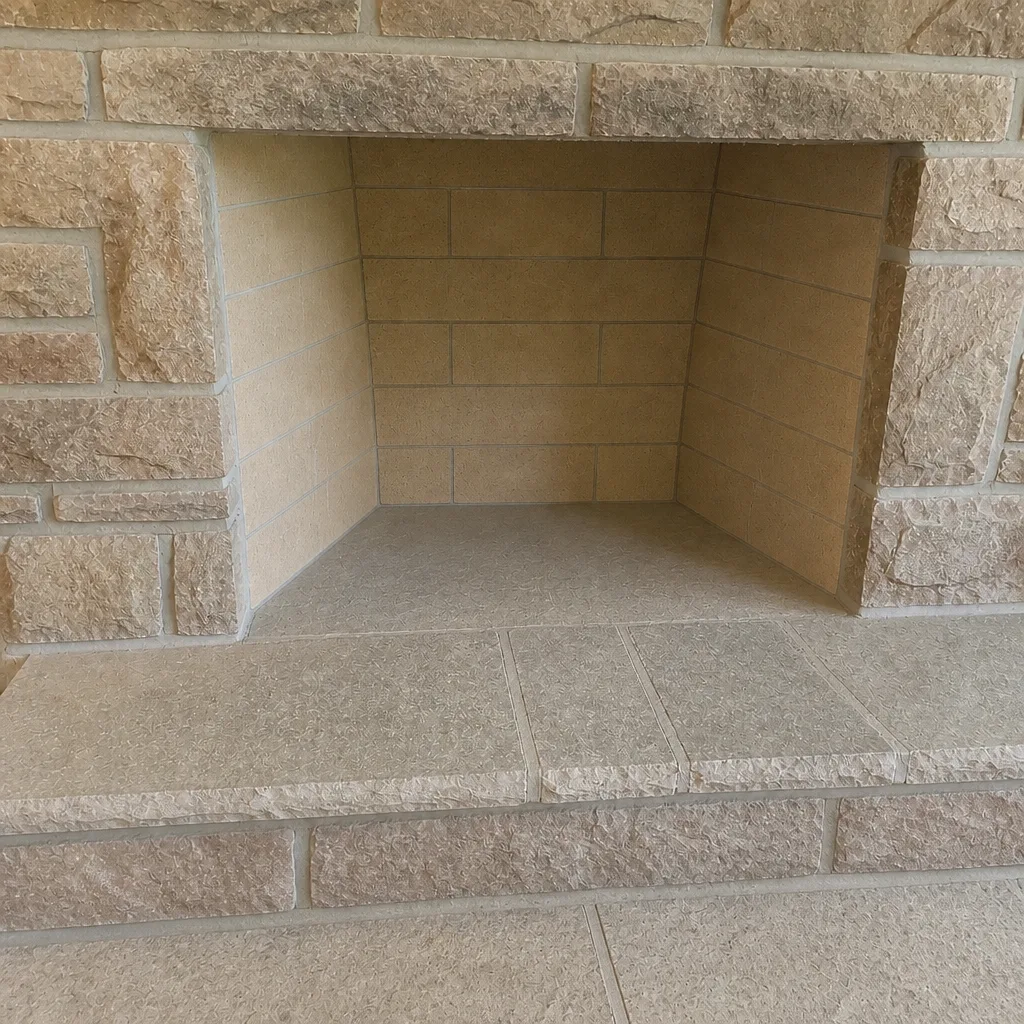
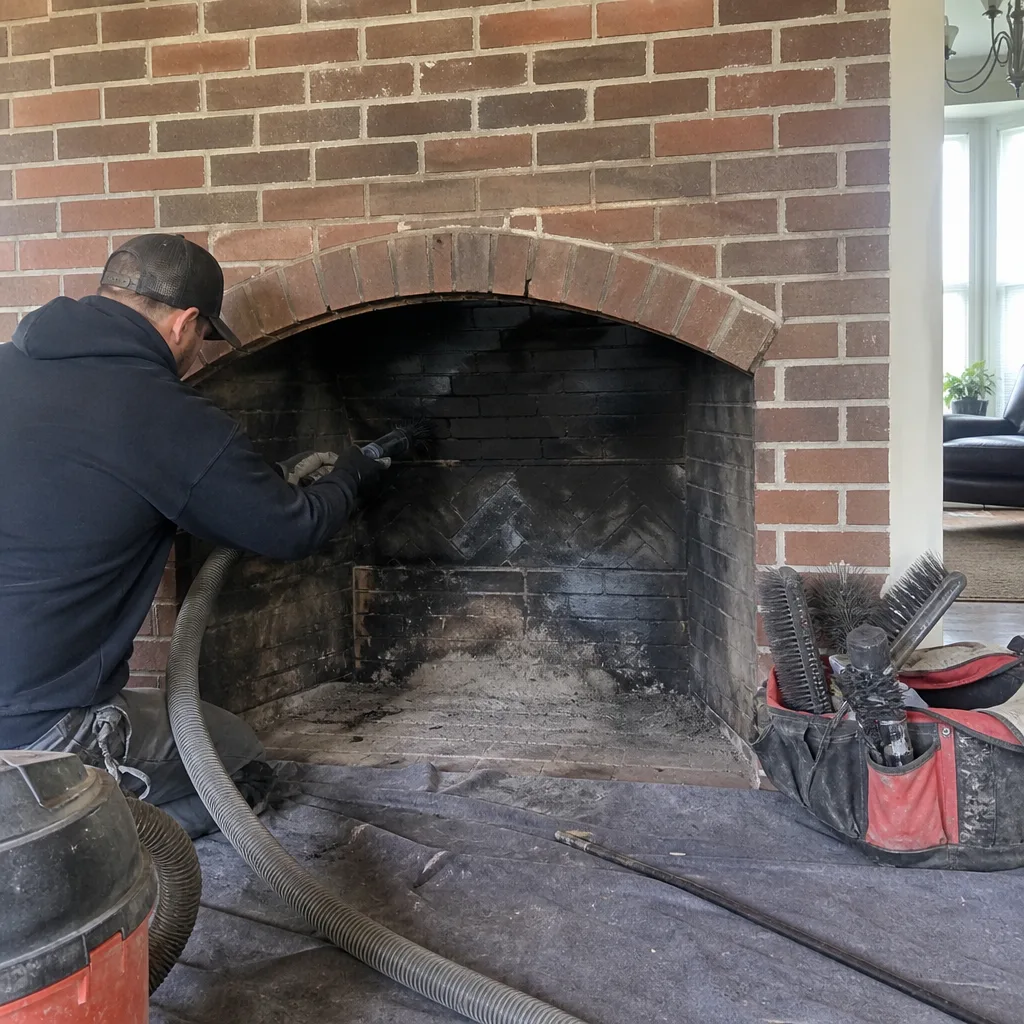
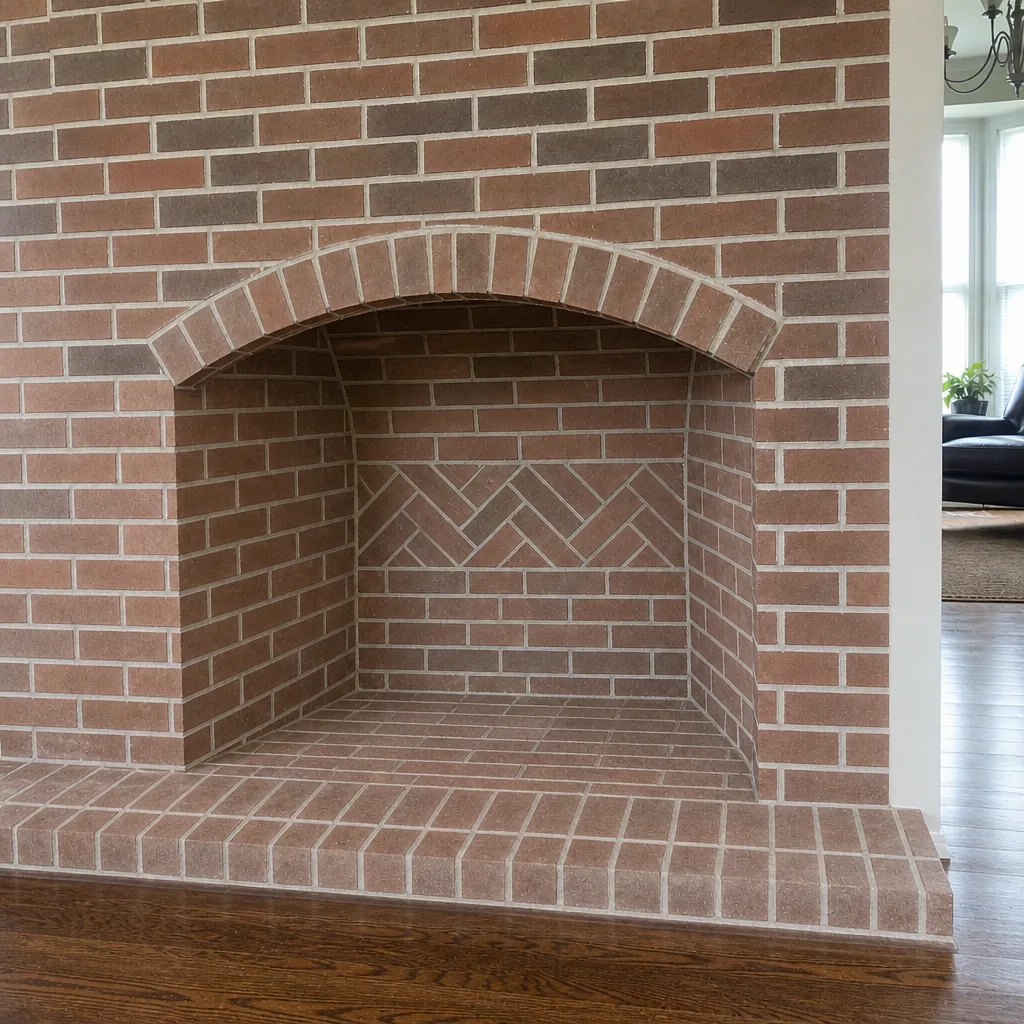
See the difference
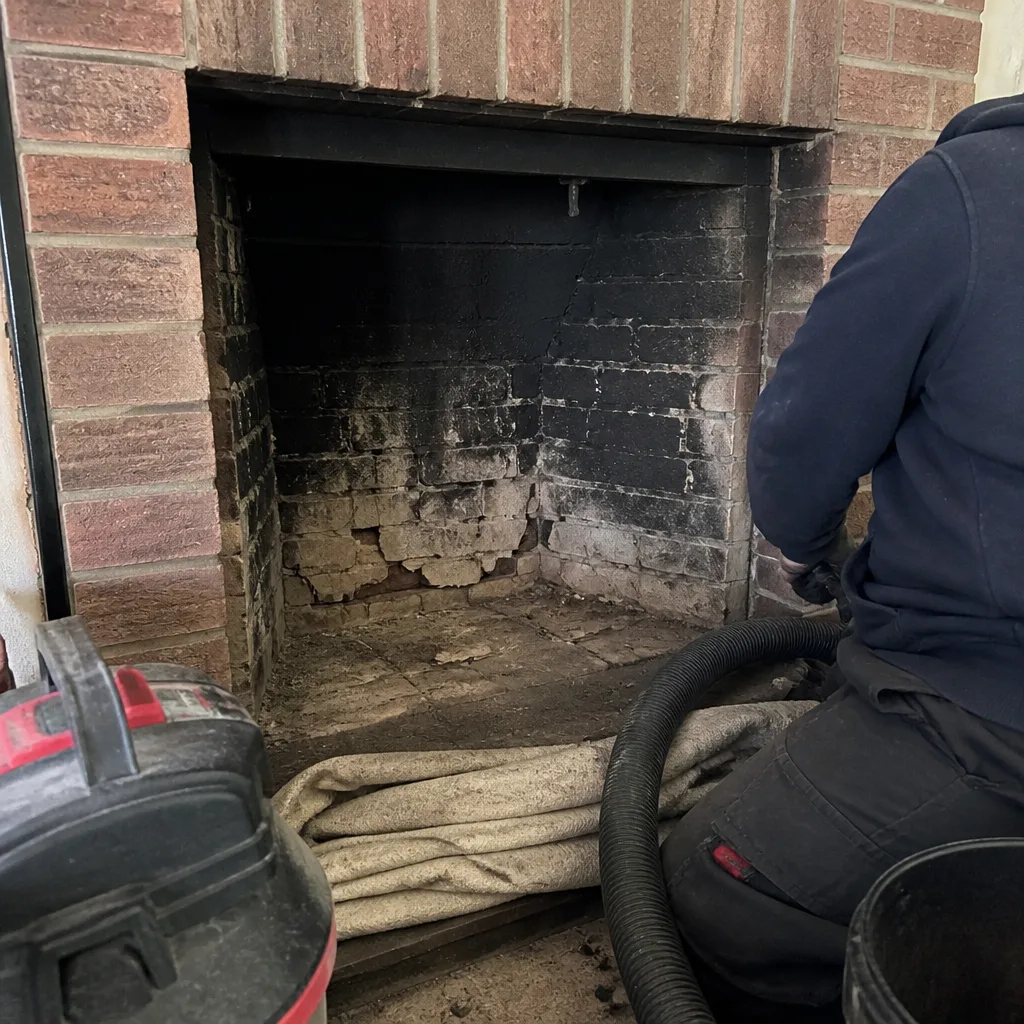 Before
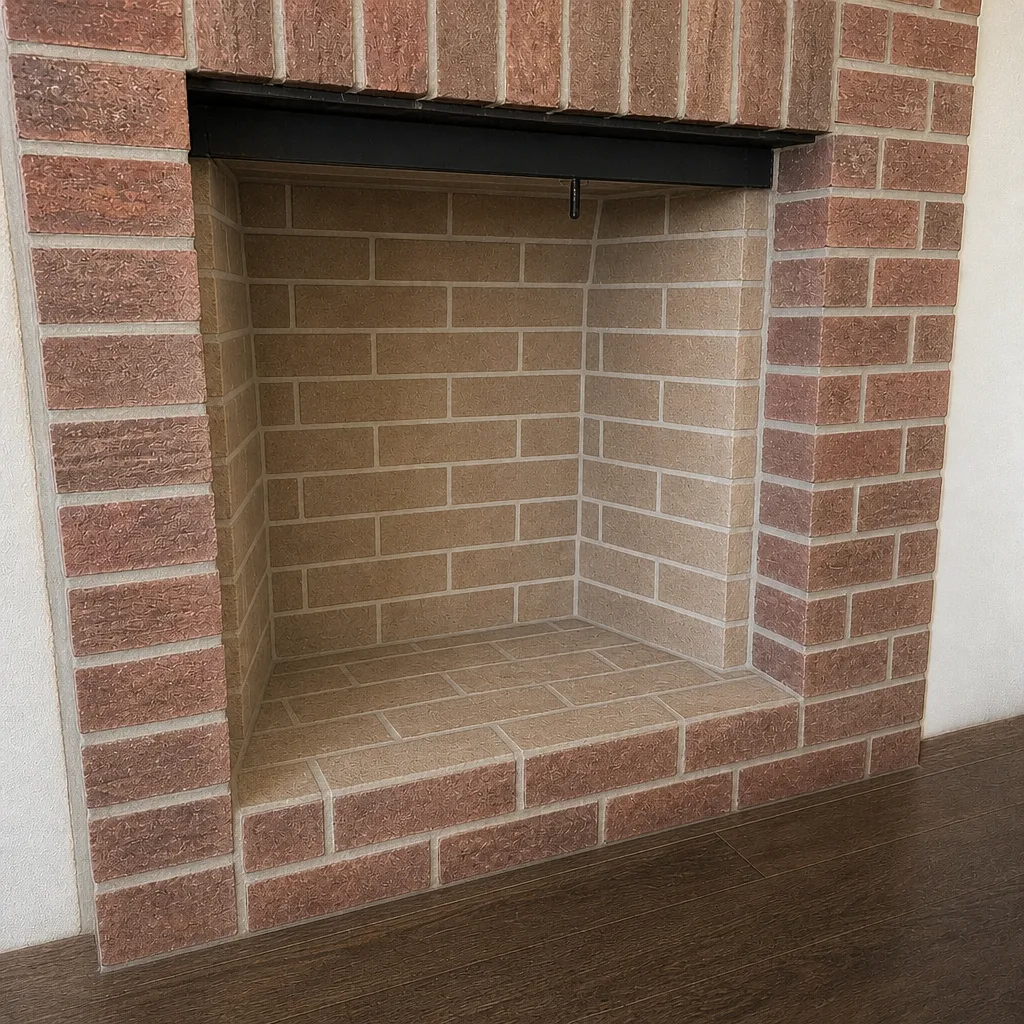 After
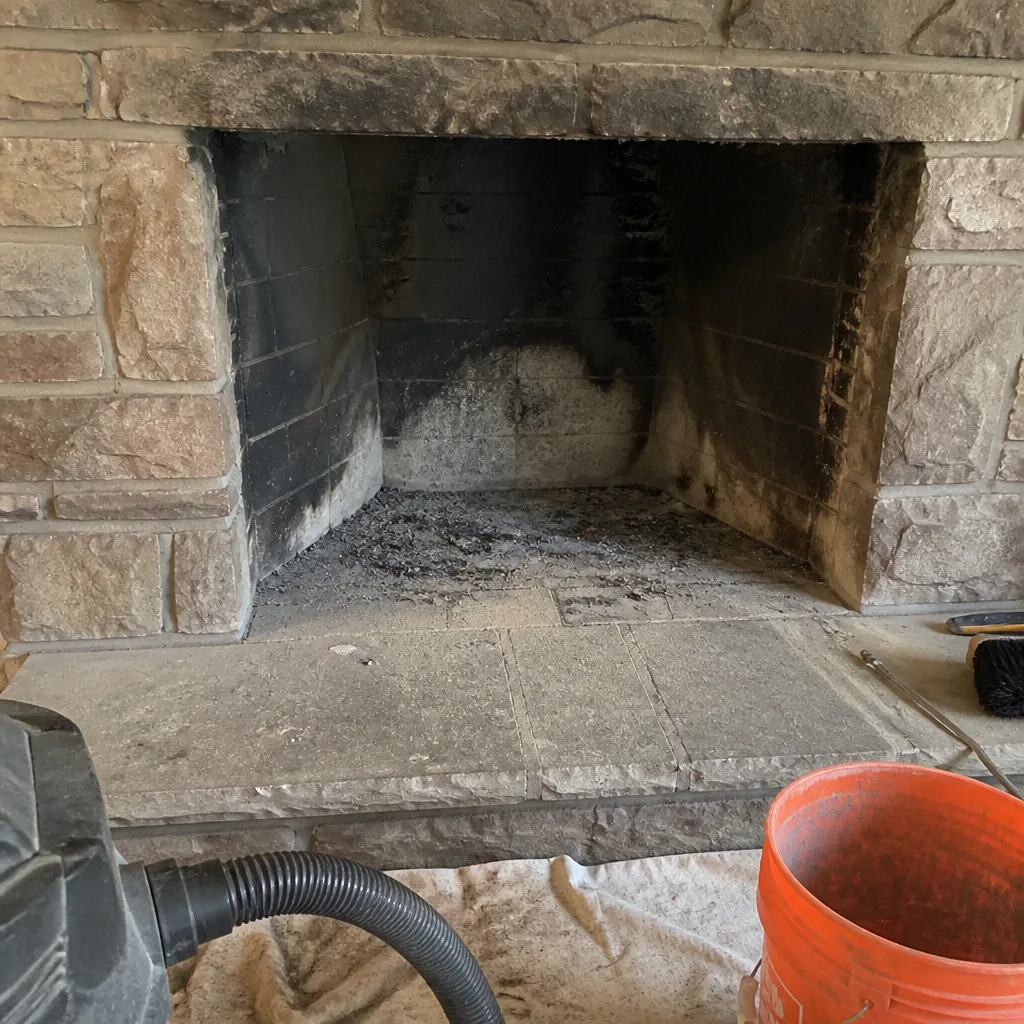 Before
 After
 Before
 After
When to Call a Professional
Some things are fine to check yourself, and some need a trained eye and a camera. Call a professional if you see any of the following: cracks in the crown or spalling brick; a missing or damaged cap; water staining on the ceiling or walls near the chimney; a damper that sticks or a fireplace that smokes back into the room; creosote smell; a gas insert that soots the glass or firebox; or anything about the liner you can’t confirm from below. Also book a sweep and inspection if it’s been more than a year since the flue was cleaned, and before you use a fireplace that’s sat all summer. Salt Lake City Chimney Sweep offers free estimates in Salt Lake City – call (866) 947-9124. We answer 24/7. Fast dispatch from 7am to 7pm, Sunday through Friday.
Frequently Asked Questions
Heavily used wood-burning fireplaces in Salt Lake City should be swept once a year before the heating season, and twice a year if you burn through the winter regularly. A gas insert usually needs a sweep and inspection annually. The general rule professionals follow is an annual inspection, with a sweep whenever the flue has enough creosote to warrant it. Call (866) 947-9124 to book a sweep and get an exact quote – estimates are free.
A proper checklist runs in failure order: crown and cap first, then flashing and masonry, then liner, firebox, and damper. It should be timed to your local climate – for Salt Lake City, that means a pre-season sweep, a post-freeze exterior check, and a spring melt inspection. Call (866) 947-9124 if you’d like one of our technicians to run the inspection for you.
You can safely document the crown, cap, firebox, damper, and any interior staining from the ground or a cold firebox. You cannot properly assess the flue interior or smoke chamber without a camera, so leave the liner check to a professional. Never dismantle damper hardware or reach up the flue yourself. Call (866) 947-9124 to book a camera inspection – estimates are free.
The crown sheds water away from the flue and the cap keeps rain and animals out, which is why they fail first and cause the most downstream damage. In Salt Lake City’s freeze-thaw cycles, a hairline crown crack widens every winter and lets water into the masonry and liner. Catching it early is the difference between a small repair and a liner job. Call (866) 947-9124 to have your crown and cap checked – estimates are free.
Sooting on a gas insert usually points to a venting or airflow problem, and the damper setup is a common culprit in homes that run both a gas insert and a wood fireplace. This is a job for a proper inspection with a camera, not a quick look. Call (866) 947-9124 to book an inspection – estimates are free.
Yes – a standalone inspection gives you a photo-documented baseline on the chimney’s actual condition before a sale closes, independent of any repair work. It’s the honest starting point whether you’re buying or selling, and it tells you what needs doing now versus what can wait. Call (866) 947-9124 to schedule the inspection – estimates are free.
The Bottom Line
Chimneys fail in a predictable order, and the checklist that saves you money is organized around that order: crown and cap first, then flashing and masonry, then the liner and firebox. In Salt Lake City, time it to the climate – sweep before the inversion season, check the exterior after the freeze cycles, and do the revealing inspection right after the spring melt. Document what you can from the ground, leave the flue interior and smoke chamber to a camera-equipped professional, and keep your reports year over year so gradual wear shows up on paper. When you’re ready, Salt Lake City Chimney Sweep handles the whole system, from sweeping to structural repair. Call (866) 947-9124 for a free estimate. We answer 24/7. Fast dispatch from 7am to 7pm, Sunday through Friday.
Written by the team at Salt Lake City Chimney Sweep.