
Last updated November 25, 2026
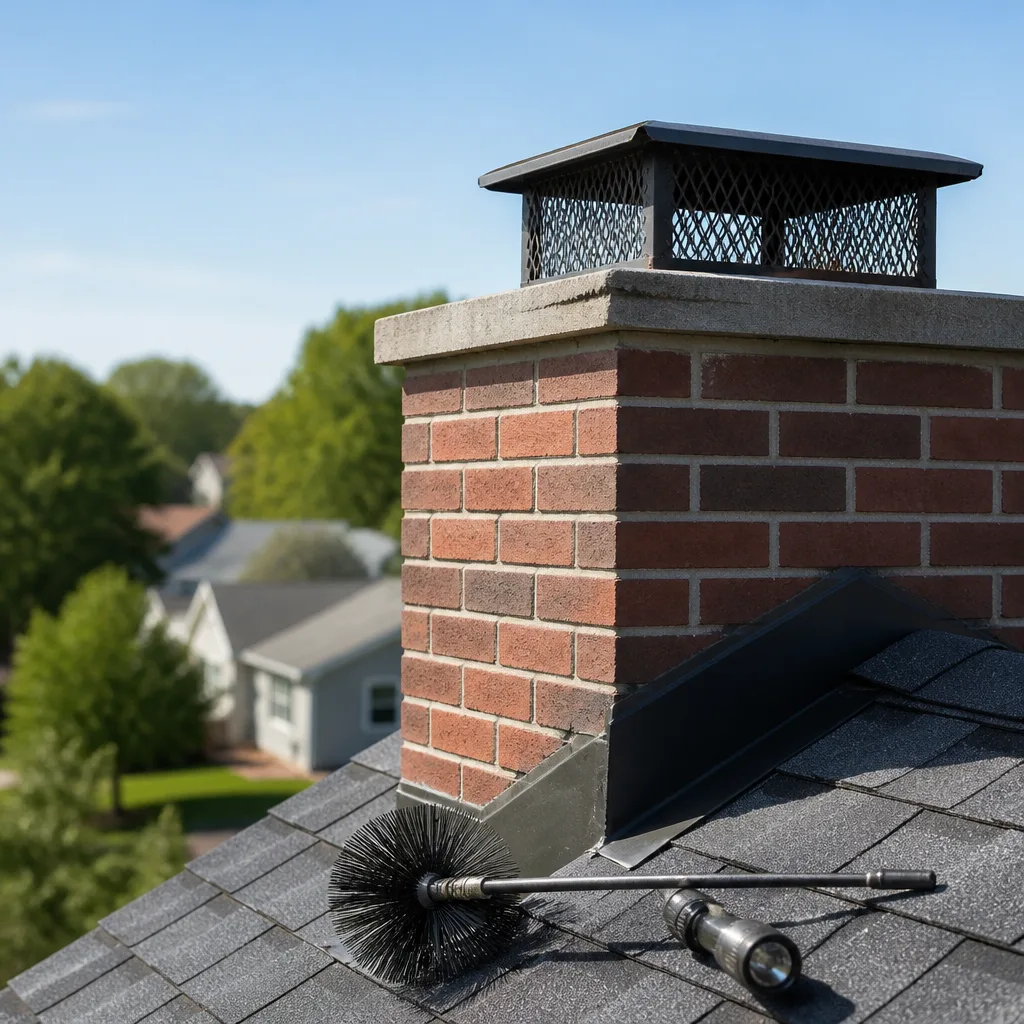 Sweep & inspection
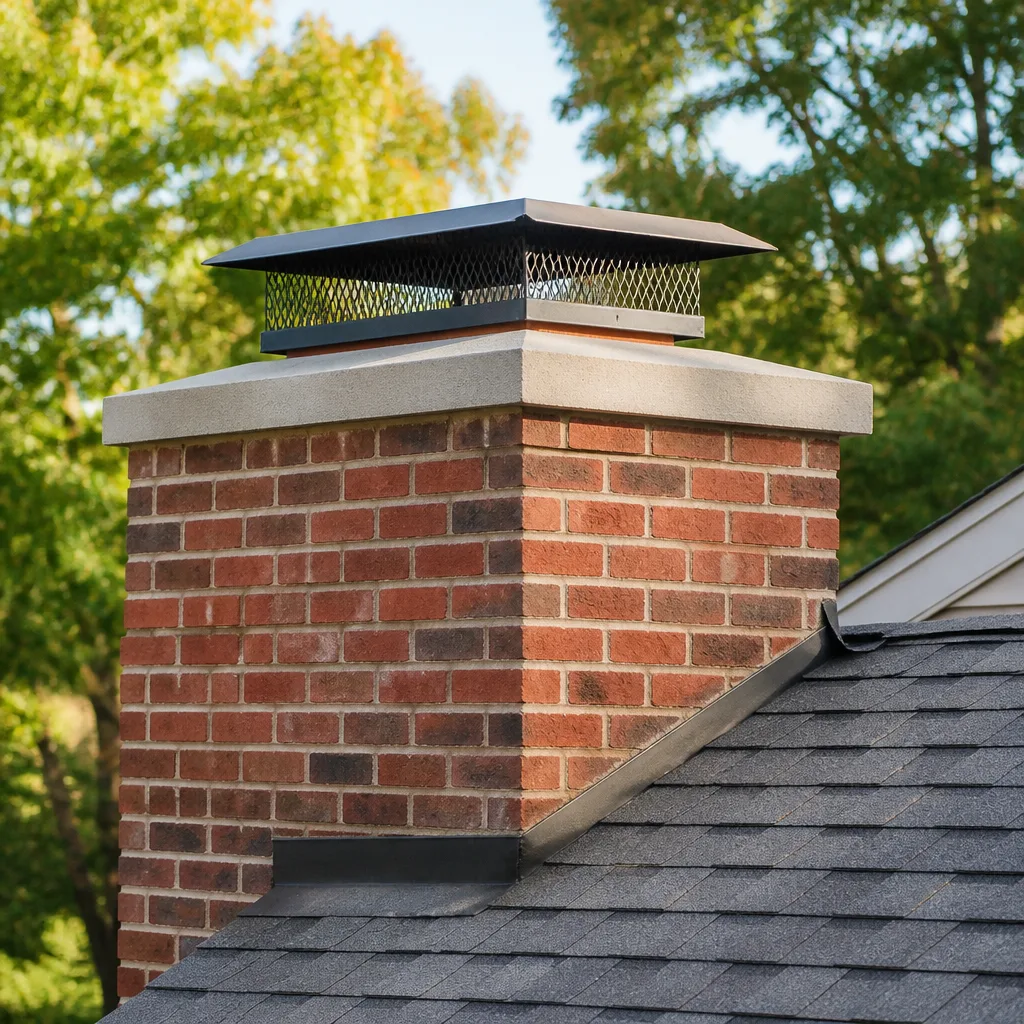 Caps & crowns
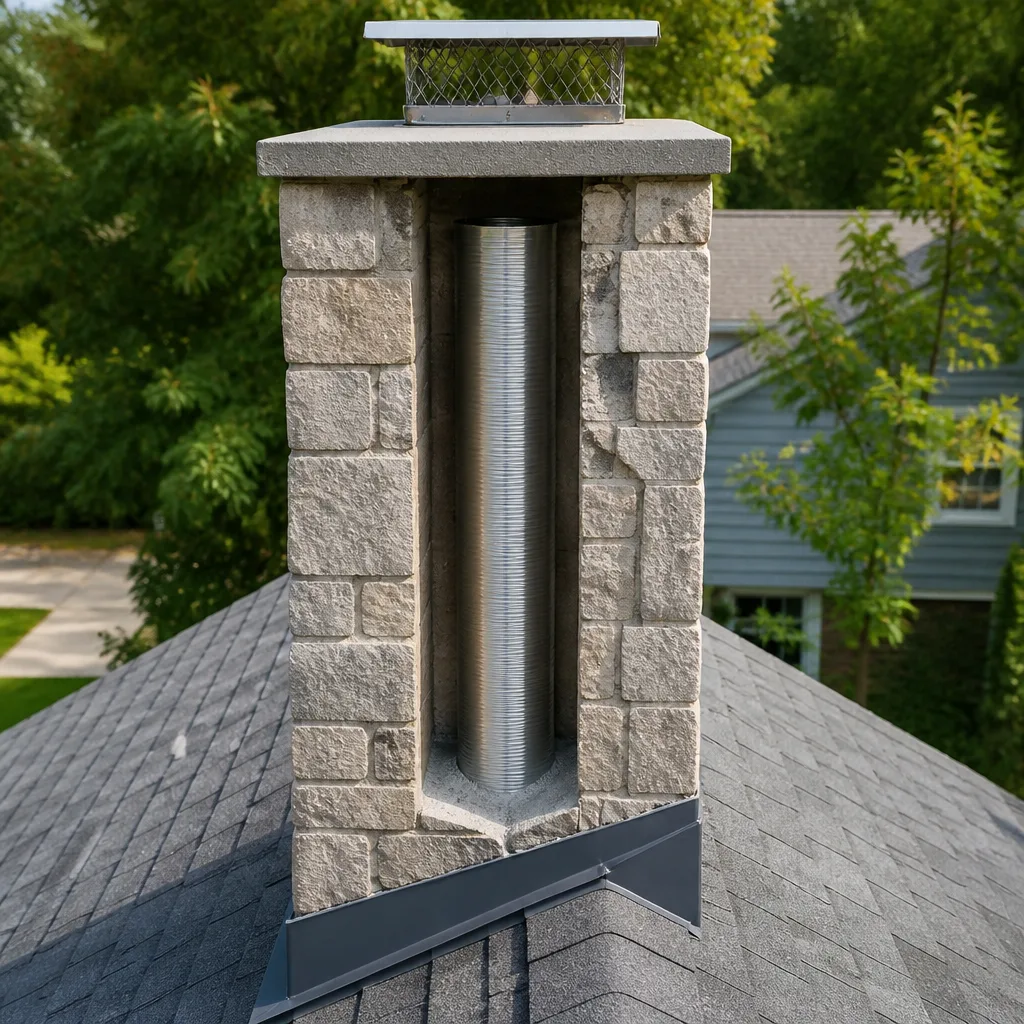 Flue relining
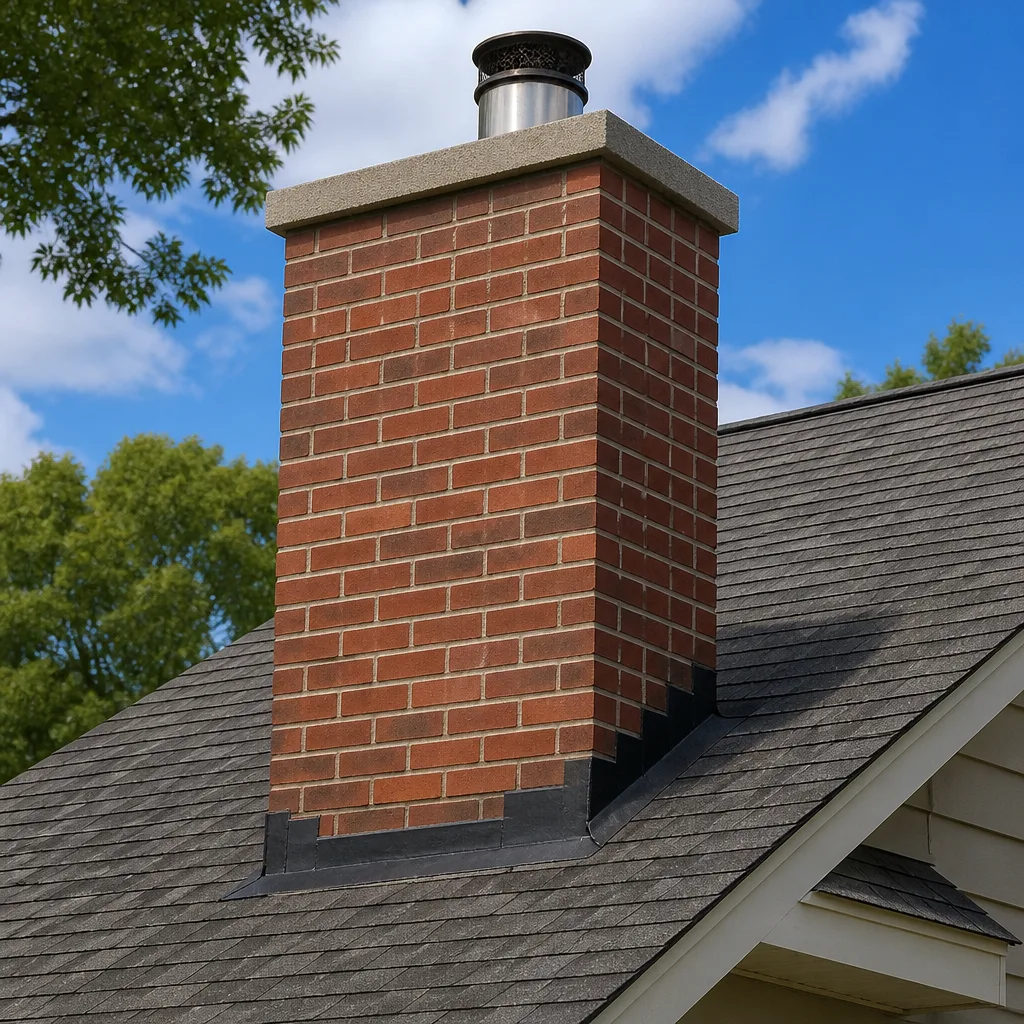 Masonry repair
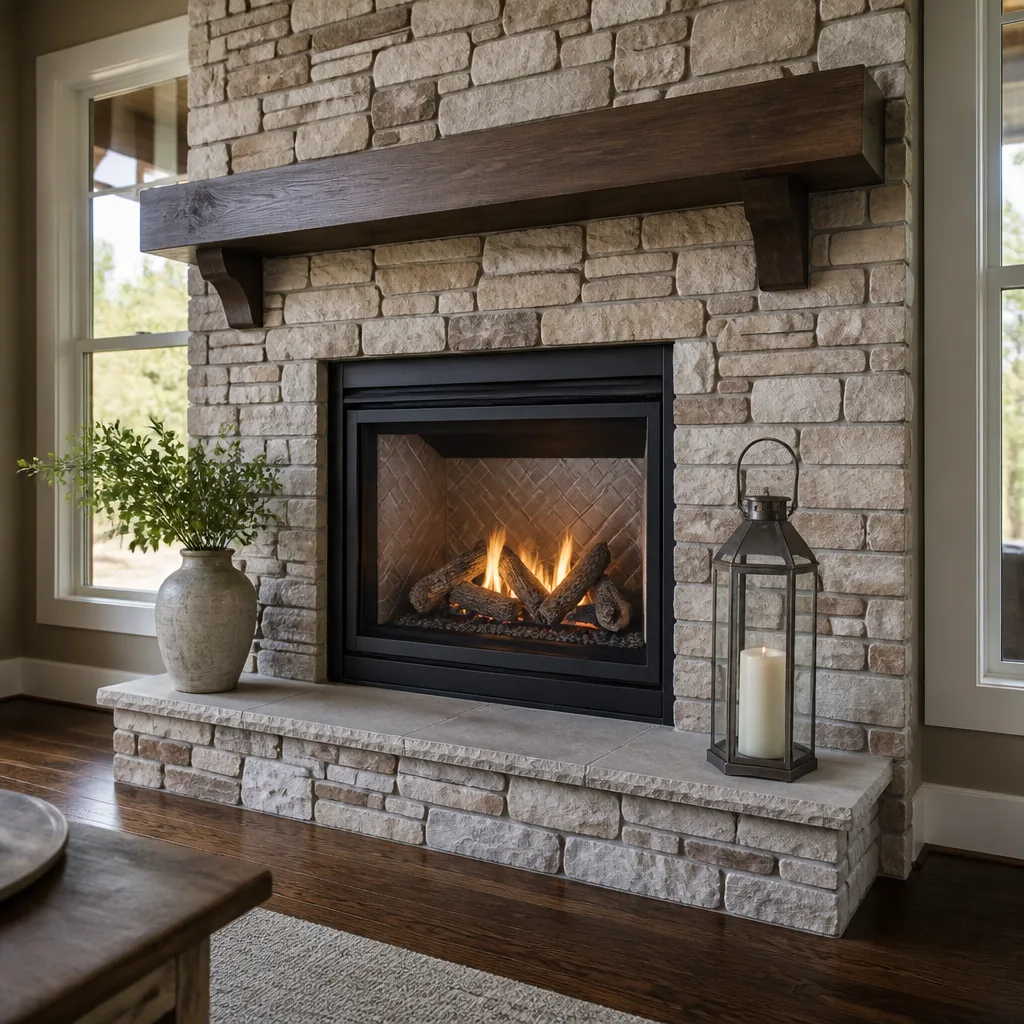 Gas fireplace service
Level 1 sweep and inspection to the NFPA 211 annual standard - flue, crown, cap, and flashing checked and photographed
Chimney sweep logs do not sweep chimneys. They loosen some creosote - which then falls where a brush and vacuum still have to collect it.
Choosing the Right Chimney Cleaning Brand: A Buyer’s Guide for Salt Lake City
The chimney cap your sweep installs and the mortar they use to reset your crown aren’t interchangeable commodities. There’s a measurable difference in lifespan between professional-grade components and hardware-store substitutes, and most homeowners never know which one they got. A cap that looks identical to the one on your neighbor’s flue might be stamped from thinner steel or painted with a coating that fails after a few winters of freeze-thaw. A crown coat might be a real ceramic product or a bucket of generic sealant. This guide explains how to tell the difference, what to ask before you hire, and why the answers matter for a house in Salt Lake City.
Styles & brands we work with
- Sweep & inspection
- Caps & crowns
- Flue relining
- Masonry repair
- Gas fireplace service
Quick Answer
The right chimney cleaning brand is the one that uses professional-grade materials from established trade manufacturers, performs a real inspection before recommending repairs, and can source specific components by name when you ask. In Salt Lake City, that means asking about the brands behind the crown coat, the liner, and the cap, and checking that whoever installs them handles manufacturer warranty compliance. A sweep who can’t name their materials is a sweep who buys whatever is closest to the job.
Table of Contents
- Why “Brand” Means Materials, Not Logos
- The Professional Supply Chain vs. the Hardware Store Shelf
- How to Ask What Brand Your Sweep Uses
- Why Manufacturer Warranty Compliance Matters
- Stocks Components vs. Sources Job-by-Job
- What Salt Lake City’s Freeze-Thaw Cycle Demands
- Full-System Care and the Single-Specialist Advantage
- How to Compare Two Bids Side by Side
- Common Mistakes to Avoid
- When to Call a Professional
- Frequently Asked Questions
- The Bottom Line
Why “Brand” Means Materials, Not Logos
When homeowners search for the best chimney sweep company in Salt Lake City, they usually compare reviews, prices, and how quickly someone can come out. Those are fair things to weigh. But the factor that determines whether a repair lasts ten years or two is the material itself, and that rarely shows up on a quote.
A chimney is a hard-working assembly. It absorbs heat cycling, moisture, and the freeze-thaw patterns that define winters along the Wasatch Front. Every component in it is a stress point, and each one has a professional-grade version and a cheaper version that looks the same from across the yard. The brand name on the box is often the only visible difference, which is exactly why it’s worth asking about.
In our experience, the material gap shows up in five places most often:
- Crown coats and crown mixes. A proper crown product handles thermal movement and moisture without cracking through. Generic patching mortar often fails within a couple of seasons.
- Liner systems. Flexible stainless liners vary widely in alloy, wall thickness, and joint design. A system engineered for chimney service outlasts a thin generic alternative by a wide margin.
- Caps. Stainless steel and multi-layer construction hold up to snow load and ice. Painted galvanized steel rusts at the seams.
- Mortar mixes. The right mix depends on the masonry and the climate. The wrong one spalls and crumbles.
- Dampers and fireplace components. Cast and heavy-gauge parts survive heat cycling. Stamped sheet metal warps.
None of this is about a logo. It’s about whether the person on your roof chose a product built for the job or a product built for a price point. That decision gets made before they ever climb the ladder.
The Professional Supply Chain vs. the Hardware Store Shelf
There are two supply chains in this trade, and they don’t overlap much. One is the professional channel: trade-specific manufacturers who sell through distributors to working chimney technicians. The other is the retail shelf, which serves whoever walks in with a problem and a free afternoon. The retail box is designed for a homeowner who may use it once. It’s built to a price and a shelf-friendly package.
Professionals in Salt Lake City have a wider set of demands than the retail market does. The products have to survive a valley winter, pass inspection, and comply with manufacturer installation specs. That’s why the working trade relies on names like HeatShield for liner resurfacing, Gelco for crown and masonry products, Olympia Chimney for liner systems, and Famco for venting and chimney components. These are lines built for installers who expect a product to perform, not for a one-time patch.
The practical difference shows up years later:
- A crown coat rated for exterior masonry and thermal movement versus a tube of general-purpose sealant.
- A flexible stainless liner sized and alloyed for wood or gas service versus a generic liner that happens to fit.
- A cap with real fasteners and a designed spark screen versus a friction-fit cover.
- Mortar matched to the chimney’s masonry type versus a bag of pre-mixed patching compound.
We source from the professional channel because the alternative has a predictable failure curve. A repair should still be doing its job when the next owner of the house moves in. That’s a low bar, and it’s one the retail shelf often misses.
How to Ask What Brand Your Sweep Uses
The single most useful question you can ask any chimney company is also the simplest: what brand of product do you use for this? The answer tells you more than a review page does. A technician who works with professional materials will answer immediately and specifically. Someone who buys whatever is available that day will give you a vague quality answer.
Ask in the order it matters:
- “What brand of crown coat or crown mix do you use?” A real answer names a product built for exterior masonry. If the response is “a masonry sealant” or “whatever the supply house has,” that’s your answer.
- “What liner system would you install, and who makes it?” A professional names the system, its alloy, and how it’s sized for your flue. Vague answers about “a stainless liner” tell you little.
- “What cap do you stock or order, and what’s it made of?” Stainless versus galvanized is a legitimate distinguishing question, and a technician who knows their materials will explain the difference without prompting.
- “Who installs it, and are they qualified for that manufacturer’s warranty?” Some manufacturers require installation by trained technicians. Ask directly whether the warranty will be valid after the job.
- “Can I see the product before it’s installed?” A straightforward yes separates a company that’s comfortable with its materials from one that isn’t.
You’re not looking for a sales pitch. You’re looking for specific answers from someone who handles these products every week. When a company can name its materials and explain why it chose them, that’s a signal about their professional network. When they can’t, you’ve learned something too.
Why Manufacturer Warranty Compliance Matters
A manufacturer warranty is only as good as the installation behind it. Most professional-grade chimney products carry conditions: the installing technician must be qualified, the installation must follow the manufacturer’s written specification, and the job must be documented. A cheap bid from someone who hasn’t done this work the right way can leave you holding a product that fails and a warranty that doesn’t apply.
This is where cheap bids fall apart. A low price often means substituted materials, a shortcut around the install spec, or both. The product looks fine on the day it goes in. Two or three winters later, it fails, and by then the person who installed it has no path to honoring anything.
For Salt Lake City homeowners choosing between bidders, warranty compliance changes what you’re comparing:
- Ask whether the manufacturer requires a qualified installer for the product being quoted.
- Ask for the product name and manufacturer in writing on the estimate.
- Ask what documentation you’ll receive after the install.
- Ask what happens if the product fails within its warranty period.
A bid that can’t answer those questions isn’t actually cheaper. It’s a bid that transfers the risk to you. The written estimate is the place to get it all down before anyone starts work.
Stocks Components vs. Sources Job-by-Job
Two companies can both do acceptable work and still be very different businesses. One keeps working inventory of the components it installs. The other buys whatever the supply house has when the job gets scheduled. The first has a professional relationship with its manufacturers. The second is improvising.
Why does that matter to you? Because improvisation produces variation. The cap on your chimney may be a different brand, thickness, or material than the one quoted. The crown coat may be whatever was on the shelf that week. When something fails, the company may not be able to source the exact matching part.
A company that stocks components can usually tell you:
- Which specific product line it installs and why.
- How long that product has been in its supply chain.
- What the lead time is for a non-stock item.
- What it does if a product is discontinued or back-ordered.
You don’t need to interrogate anyone about their warehouse. But you should hear specific brand names attached to specific products in their answer. Companies that work with the professional channel speak that language naturally. Companies that don’t, don’t.
What Salt Lake City’s Freeze-Thaw Cycle Demands
Salt Lake City sits in a valley with cold winters and real diurnal temperature swings. Water gets into masonry, flashes to ice overnight, and expands. That cycle repeats dozens of times each winter. It is the single hardest thing your chimney faces, and it is the reason product specification matters more here than in a milder climate.
What that means for individual components:
- Crown sealers and crown coats. The crown is the flat top of the chimney, and it’s the most weather-exposed part of the assembly. It needs a product with real flexibility to handle the movement of freeze-thaw. A rigid, brittle sealant cracks, water gets in, and the failure accelerates.
- Flashing. Where the chimney meets the roof is a classic leak point. Flashing materials need to handle thermal expansion without opening seams. Cheap flashing deforms; good flashing moves with the roof.
- Mortar mixes. Not all mortar behaves the same in cold weather. The wrong mix spalls, which means the face of the brick crumbles off. Repeated freeze-thaw turns minor spalling into structural damage.
- Caps. Snow load and ice are real. A cap needs structural fastening and construction that survives a Wasatch Front winter without warping or losing its screens.
Which product specifications hold up and which fail by year two is not a mystery to anyone who installs in this valley. In our experience, the failures cluster in the same few product categories: generic crown sealants, thin flashing, and mortar with the wrong composition. Those are exactly the components where the gap between professional-grade and hardware-store substitutes shows up first.
Full-System Care and the Single-Specialist Advantage
A chimney problem is rarely isolated to one component. Water intrusion at the crown is often also a flashing issue. A smoky fireplace can come back to a flue that needs liner attention. Animal entry almost always traces back to a missing or damaged cap. When one company handles all of it, the pieces get coordinated. When three companies handle pieces of it, nothing does.
This is where full-system chimney care pays off. A single specialist can do a chimney sweep, inspect the whole assembly, and move straight into fireplace repair or chimney cap & crown work without a handoff. There’s no scenario where the sweep points at the crown and the crown guy points back at the sweep.
Here’s how a full-system job typically sequences:
- Inspection first. Camera inspection and a photo report establish what’s actually wrong. Nothing gets recommended without evidence you can see.
- Sweep if needed. Creosote and soot removal, sized to the flue.
- Repair in priority order. Water intrusion and animal entry get addressed before cosmetic issues, because those are what cause collateral damage.
- Liner decision. Where the flue is deteriorating, HeatShield ceramic resurfacing can sometimes restore it without a full liner replacement. Where it can’t, Olympia Chimney or DuraFlex liner systems are installed to spec.
- Cap and crown at the end. The most common sources of future trouble get sealed last, so nothing done below gets disturbed.
One call covers the whole chimney. That’s not a slogan, it’s a practical advantage when the work spans five categories and needs to happen in the right order. If your chimney needs more than a sweep, it’s worth reading more about Salt Lake City Chimney Sweep and how the pieces fit together.
How to Compare Two Bids Side by Side
Two bids can look completely different and still be for the same chimney. One says “reset crown” and the other says “crown rebuild using a professional crown mix.” The first is a labor line; the second is a material specification. When you get multiple bids, put them in columns and compare four things.
- Product names. Every line that involves a material should name the product and the manufacturer. If a bid has no brand names at all, ask for them in writing.
- Inspection scope. Is the inspection a real camera inspection with a photo report, or a visual look? A real inspection is a standalone service, not a free add-on to the sweep.
- Diagnosis rigor. Does the bid explain why this work is needed and what evidence supports it? “It needs a new liner” without camera evidence is an assumption.
- Warranty terms. Who honors the warranty if the product fails, and what conditions apply? If nobody answers that question, the warranty may not cover the installation.
Price is usually the last thing you should compare, not the first, because the low bid often skips the material specification that the other bid included. The written estimate is the document that separates the two. Get it in writing, and get the product names on it.
Common Mistakes to Avoid
- Comparing prices without comparing materials. A bid that’s a few hundred dollars lower often reflects a substituted product line, not a more efficient crew. Ask what’s in the job before you ask what it costs.
- Accepting a “free inspection” as a standalone offer. An inspection that exists only to generate a sales pitch isn’t a real inspection. If no camera is mentioned, that’s a sign the inspection is theater.
- Letting the sweep pick up materials on the way. If the company can’t name their materials before they arrive, they’re sourcing them on the fly. That’s how hardware-store substitutes end up on your roof.
- Assuming a cheap cap is fine because it looks the same. Caps fail from rust, warping, and fastener erosion, and none of that is visible from the ground on install day. Matching materials matter.
- Skipping the crown because it “looks okay.” The crown is the highest-stress surface on the chimney in Salt Lake City’s climate. A hairline crack looks harmless and lets water in every melt cycle.
- Not asking which brand of liner is being quoted. Liner systems vary in alloy and wall thickness, and the difference in lifespan is not visible in the bid unless you ask.
- Splitting the work across three contractors. When the sweep, the crown guy, and the liner installer are three different companies, they argue about whose fault a leak is. One specialist avoids the argument.
When to Call a Professional
Some signs mean the chimney needs a professional right now. Others can wait for the next scheduled visit. Knowing which is which keeps you from overreacting and from ignoring something that matters. Water staining on the ceiling near the chimney, a smoky fireback that’s new, animal sounds in the flue, or visible white staining on the brick exterior all point to something an inspection should look at. Creosote buildup and soot are the routine reasons for a sweep. Structural cracks and spalling brick should be inspected before the next burning season gets going, not after.
Salt Lake City Chimney Sweep offers free estimates in Salt Lake City. Call (866) 947-9124 to schedule an inspection or a sweep. We answer 24/7 and provide fast dispatch from 7am to 7pm, Sunday through Friday. If a call comes outside dispatch hours, it gets booked into the next opening. Our technicians have up to 14 years of experience working with the professional-grade materials this guide covers.
Frequently Asked Questions
The right answer names specific manufacturers, not a quality adjective. Professional-grade brands like HeatShield, Gelco, Olympia Chimney, and Famco supply the trade channel and are built for installers working in real conditions. If your technician can name the manufacturer of the crown coat, liner, and cap, you’re talking to a company that works with these products. If the reply is “high-quality materials,” ask again. Call (866) 947-9124 for an exact quote – estimates are free.
A chimney sweep typically costs a few hundred dollars, with the exact figure depending on the flue setup and how much creosote is present. The written estimate sets the final price, and we agree on a flat price before booking. Inspection costs are separate from the sweep when the two are scheduled together. Call (866) 947-9124 for an exact quote – estimates are free.
Not always. A deteriorated flue can sometimes be restored with HeatShield ceramic resurfacing, which rebuilds the interior surface instead of replacing the whole system. That depends entirely on the condition of the flue, which is why an inspection with camera evidence comes first. We won’t recommend a full liner replacement without evidence you can see. Call (866) 947-9124 for an exact quote – estimates are free.
Most wood-burning chimneys in Salt Lake City need a sweep once a year, and gas fireplaces need an annual inspection even if no sweeping is required. The actual interval depends on how often you burn and how dry your wood is. The first inspection sets the baseline, then you can plan around your actual use. Call (866) 947-9124 for an exact quote – estimates are free.
Creosote accumulates in the flue, and it is flammable. The specific risk depends on how much has built up and on the flue’s condition. A blocked or restricted flue can also push exhaust gases back into the home instead of up the chimney. Both are reasons to schedule a sweep rather than defer it, and an inspection will tell you how much risk is actually present. Call (866) 947-9124 for an exact quote – estimates are free.
Yes. We perform inspections as a standalone service, so you can get an honest baseline on the chimney without committing to any other work. The photo report gives you something concrete to look at, and we tell you plainly when work can safely wait. Call (866) 947-9124 for an exact quote – estimates are free.
The crown is the highest-stress component on the chimney, and it’s the most common path for water intrusion. In Salt Lake City’s freeze-thaw climate, a hairline crack in the crown gets worse every winter as water gets in and expands. A properly installed crown with a professional-grade coating holds up far longer than a generic sealant. Call (866) 947-9124 for an exact quote – estimates are free.
The Bottom Line
The right chimney company in Salt Lake City is the one that can name its materials. Not a vague claim about quality, but specific brands behind the crown coat, the liner, the cap, and the mortar. Professional-grade products from the trade channel perform differently in this climate than the retail shelf equivalents, and the gap shows up by year two or three. Combine that with a real inspection that comes before any repair recommendation, a company that handles the whole system rather than one piece of it, and a written estimate that puts the products in writing, and you’ve got a way to evaluate any bid you receive. Ask the questions. Compare the answers. Then call.
If you’d like an honest inspection and a straightforward estimate, call Salt Lake City Chimney Sweep at (866) 947-9124. We answer 24/7.
Written by the team at Salt Lake City Chimney Sweep.
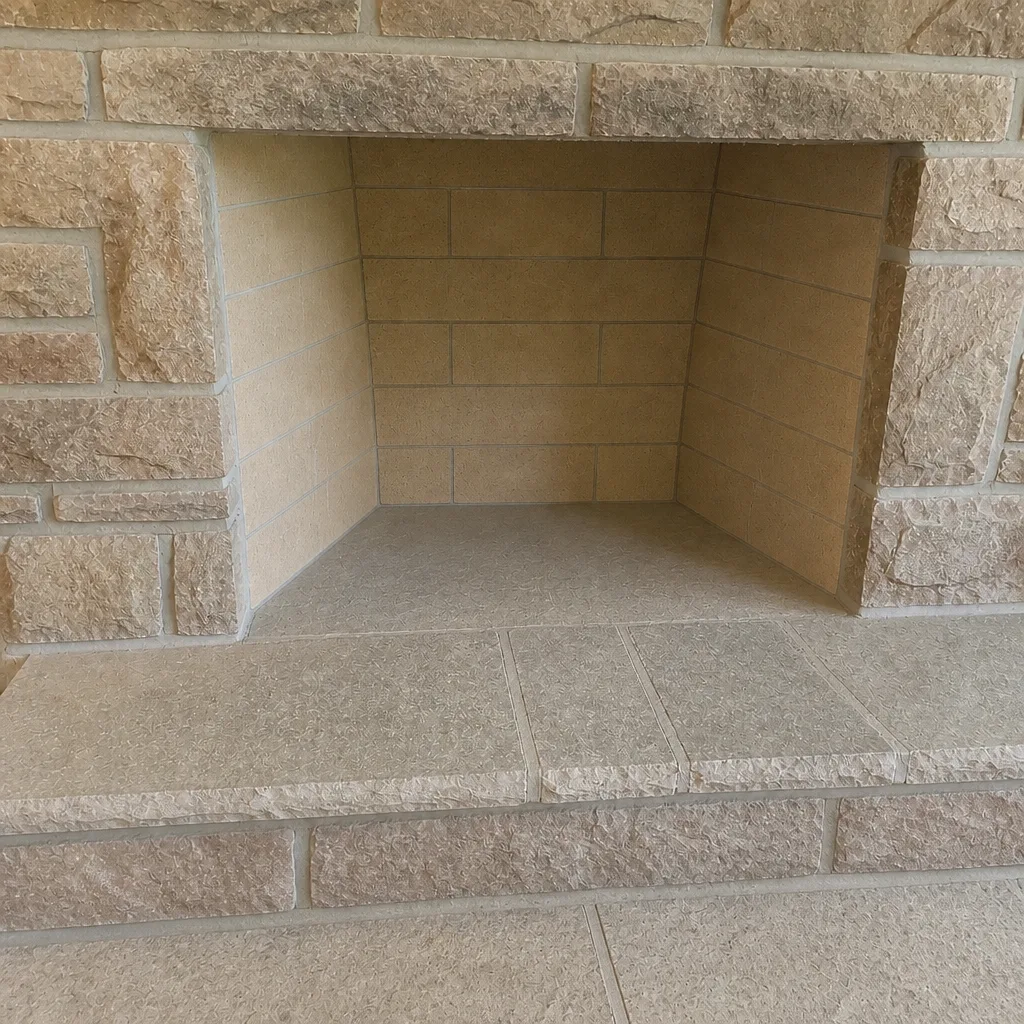
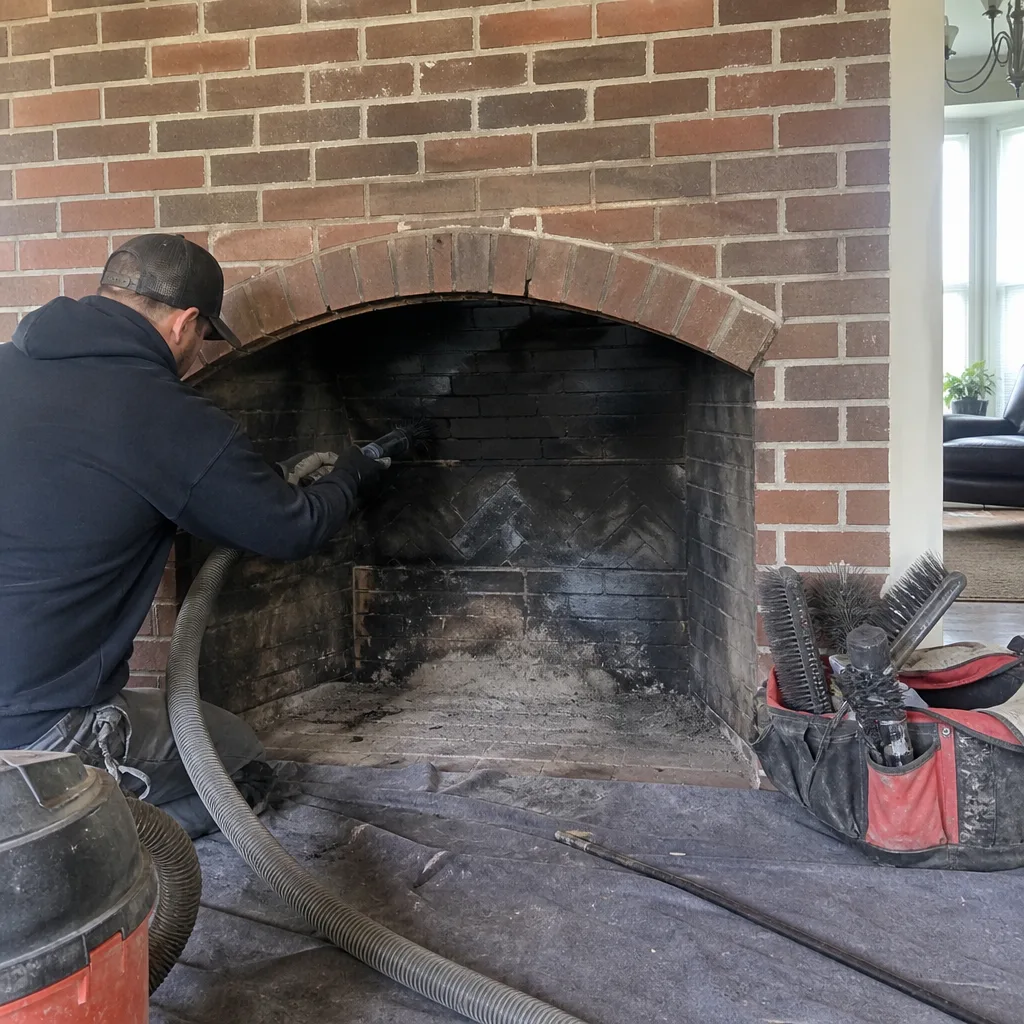
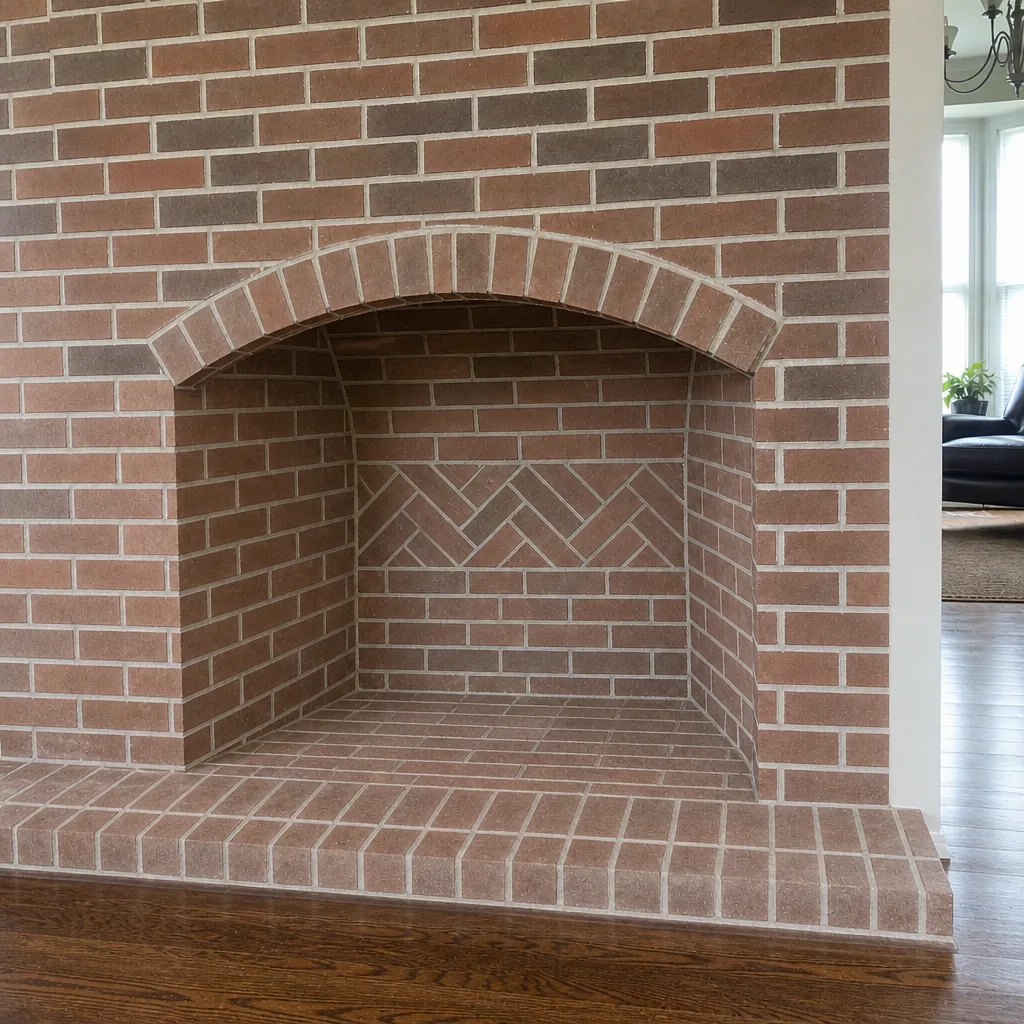
See the difference
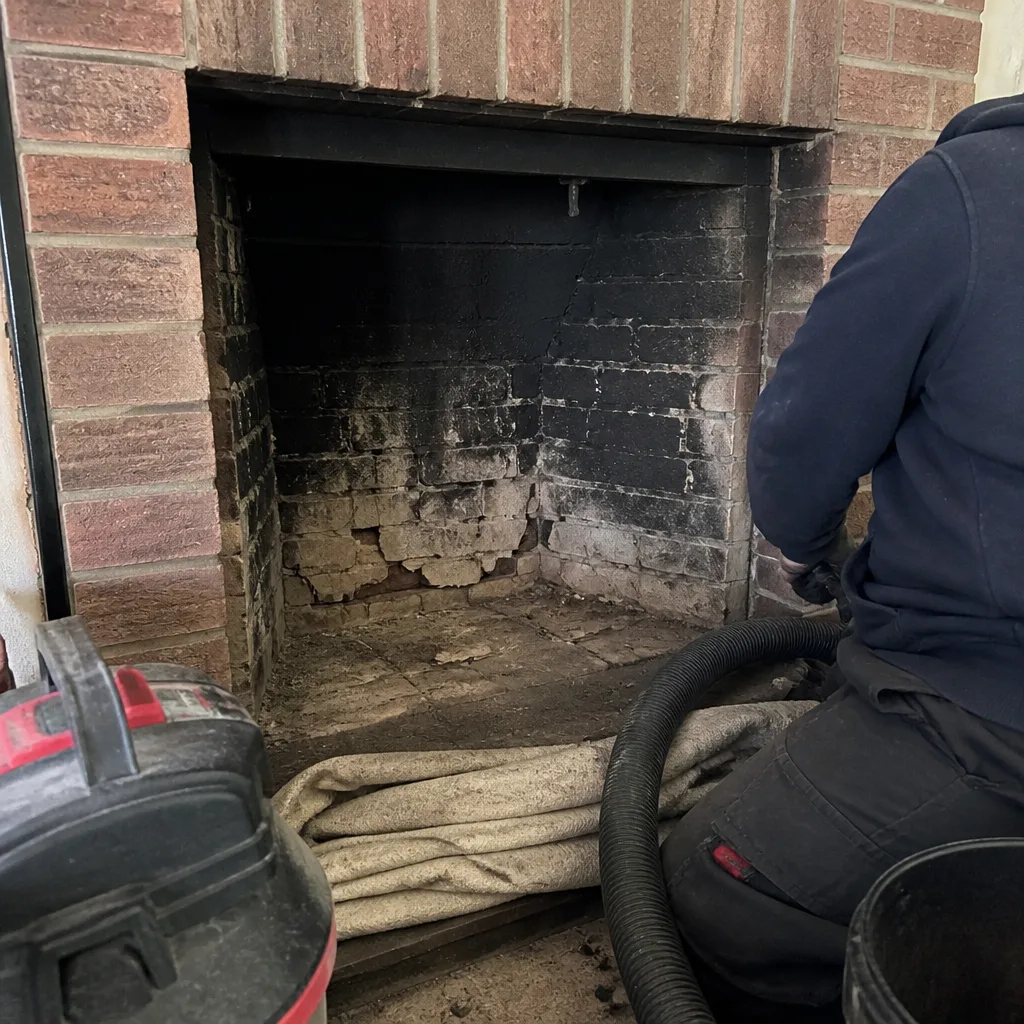 Before
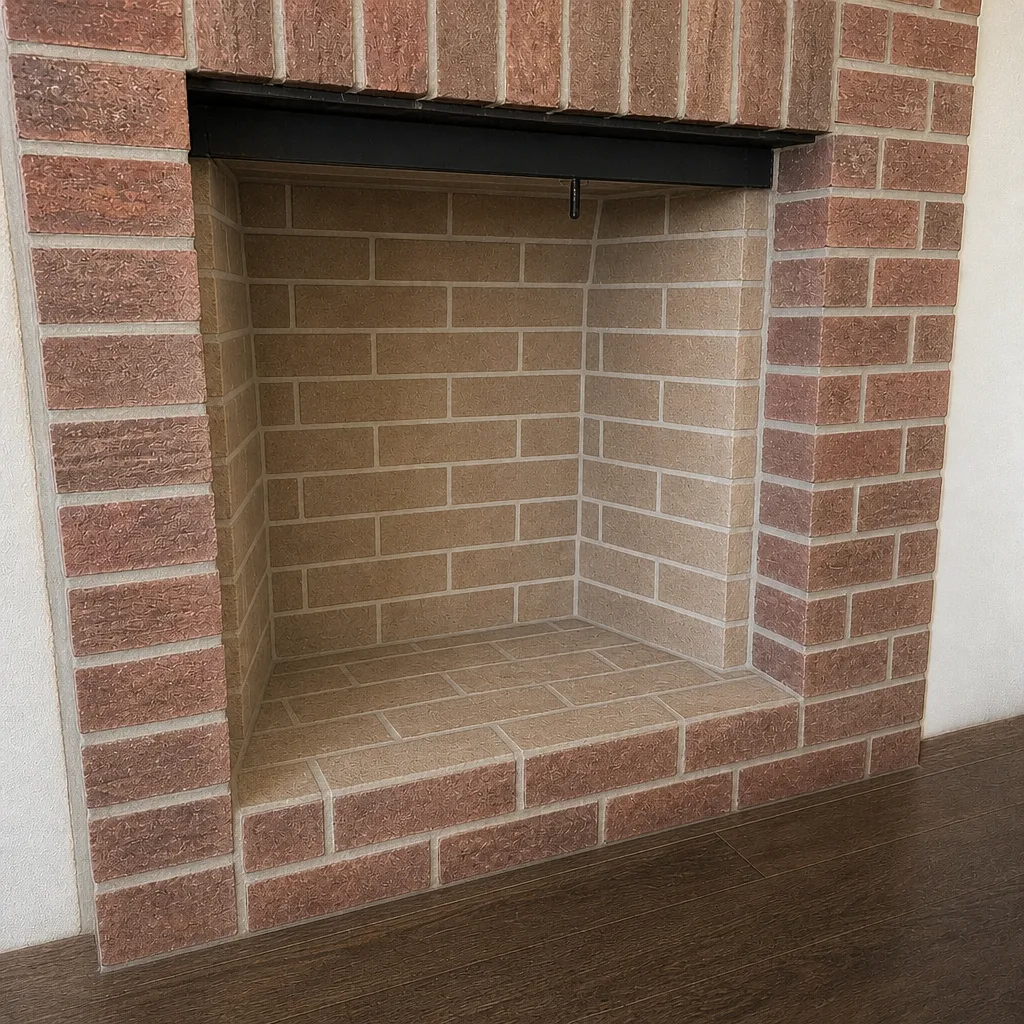 After
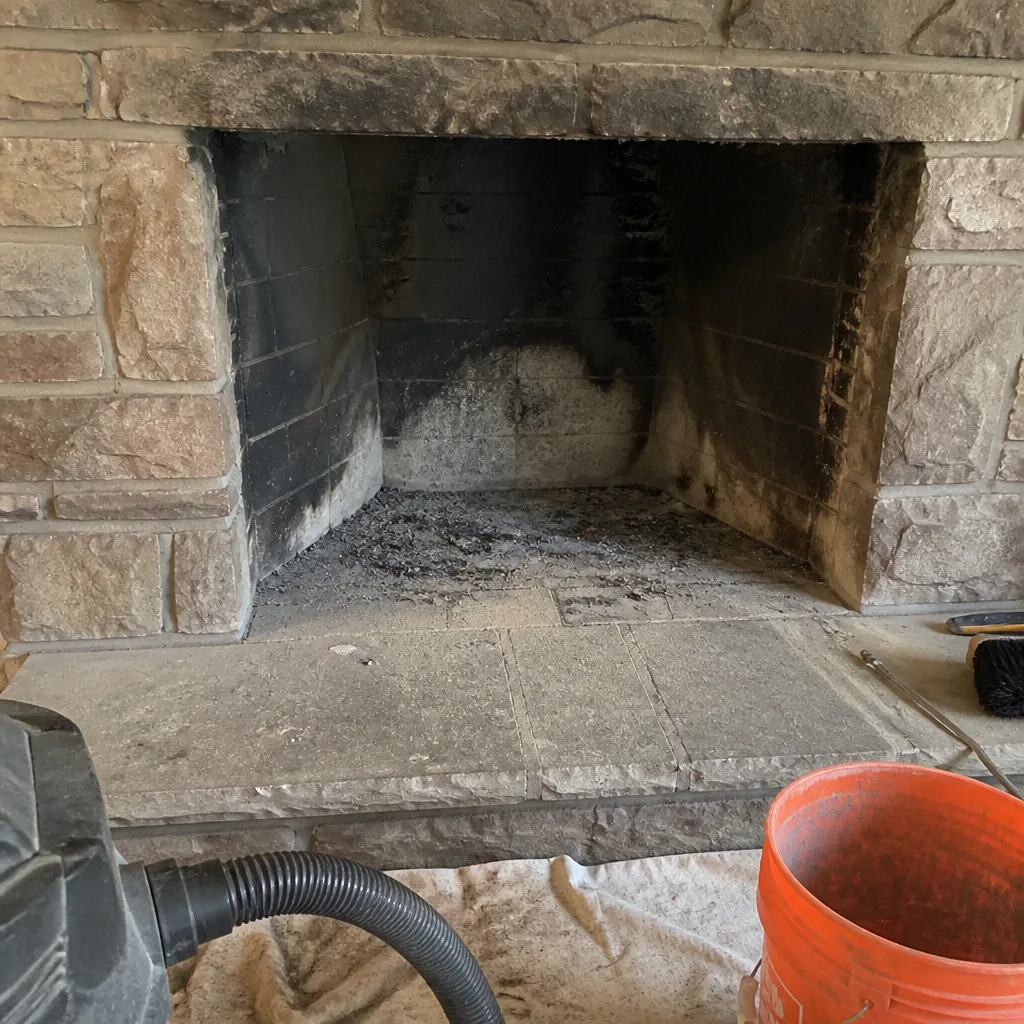 Before
 After
 Before
 After