
Last updated November 25, 2026
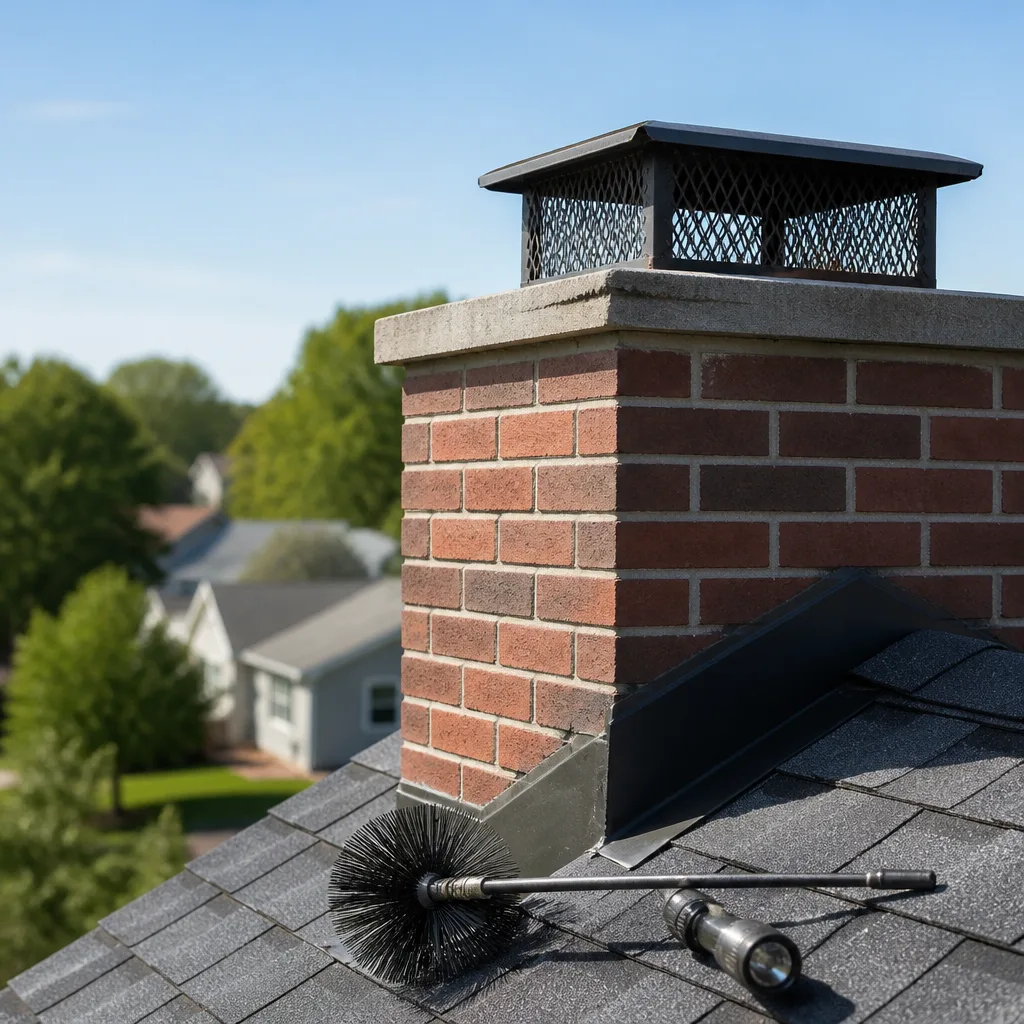 Sweep & inspection
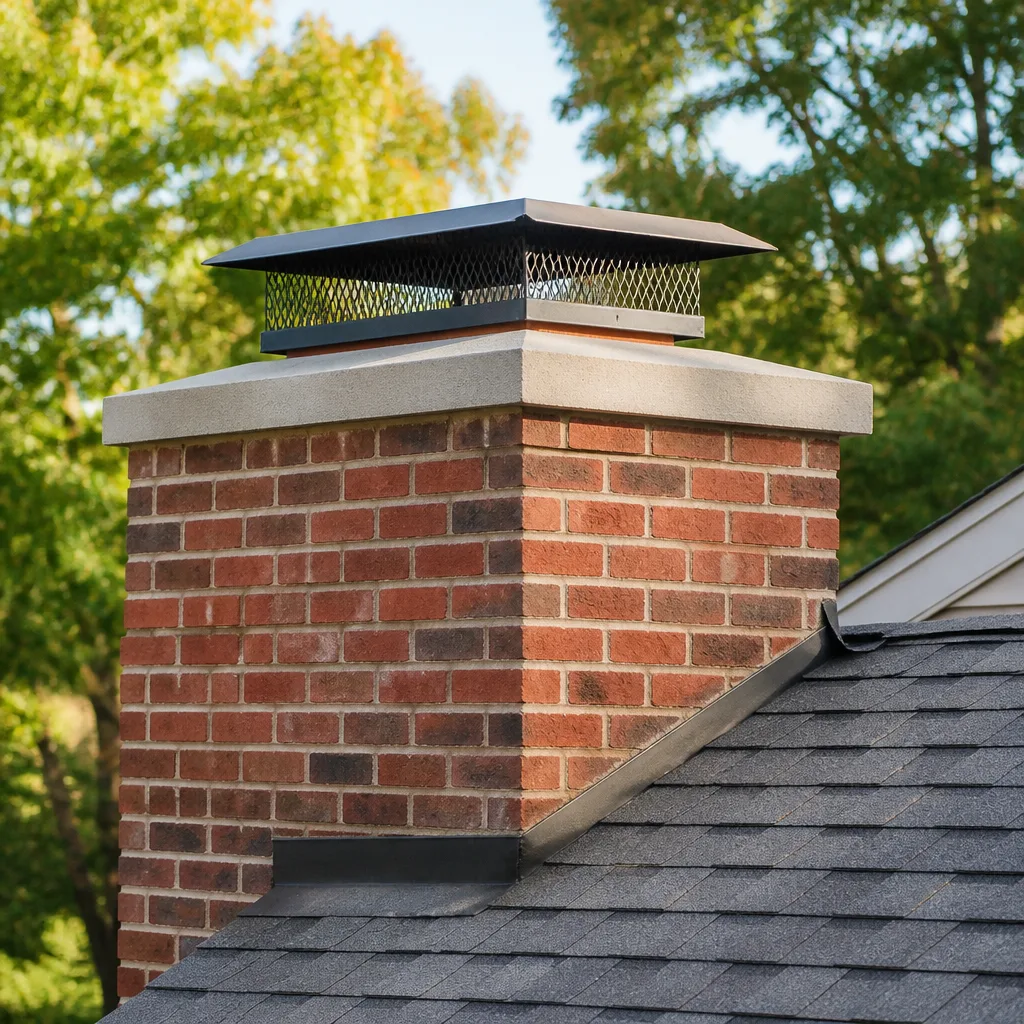 Caps & crowns
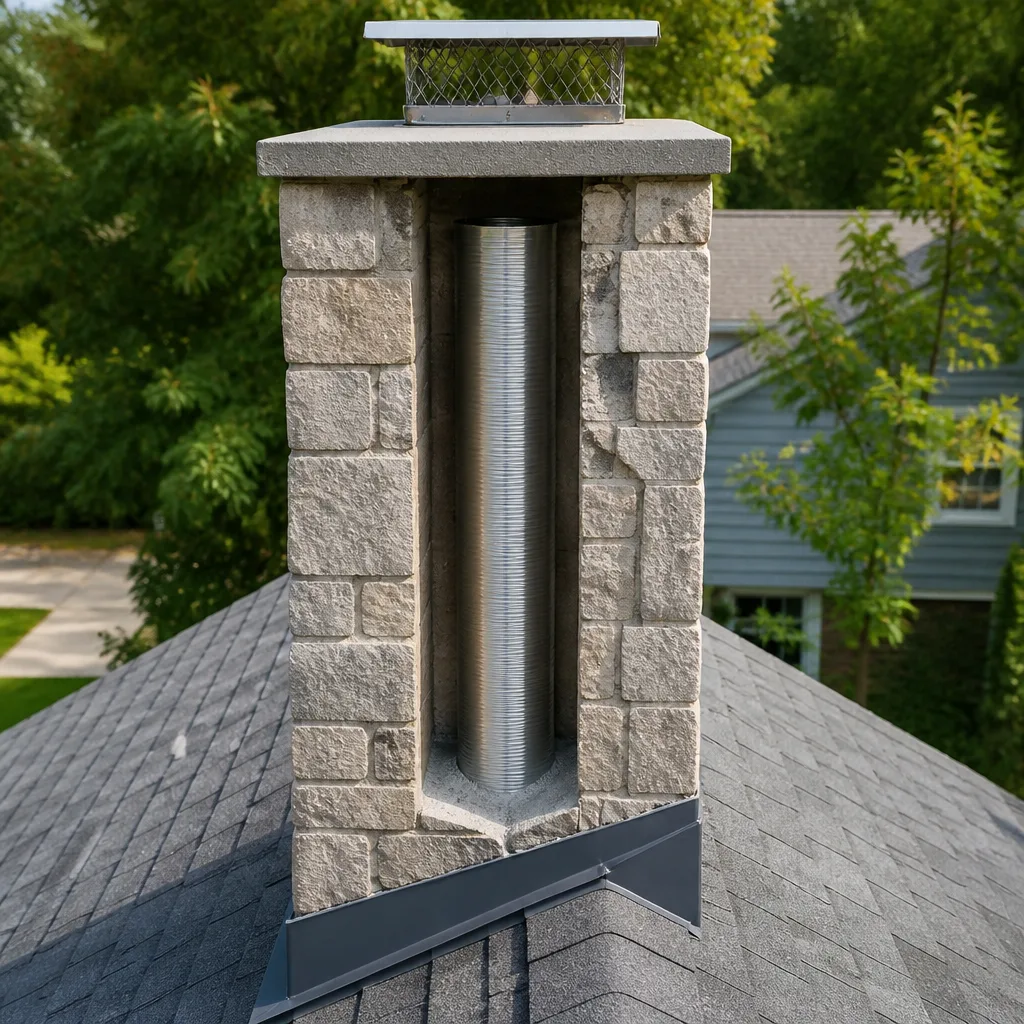 Flue relining
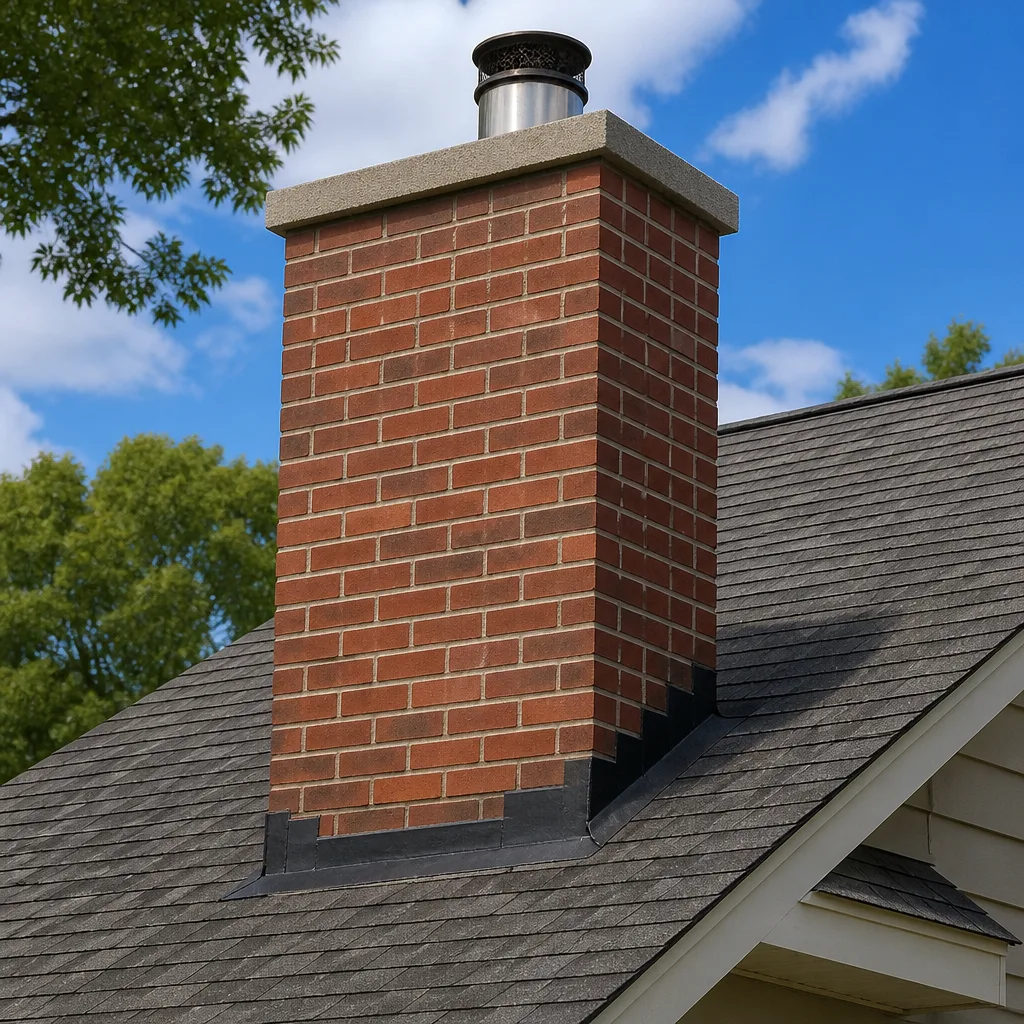 Masonry repair
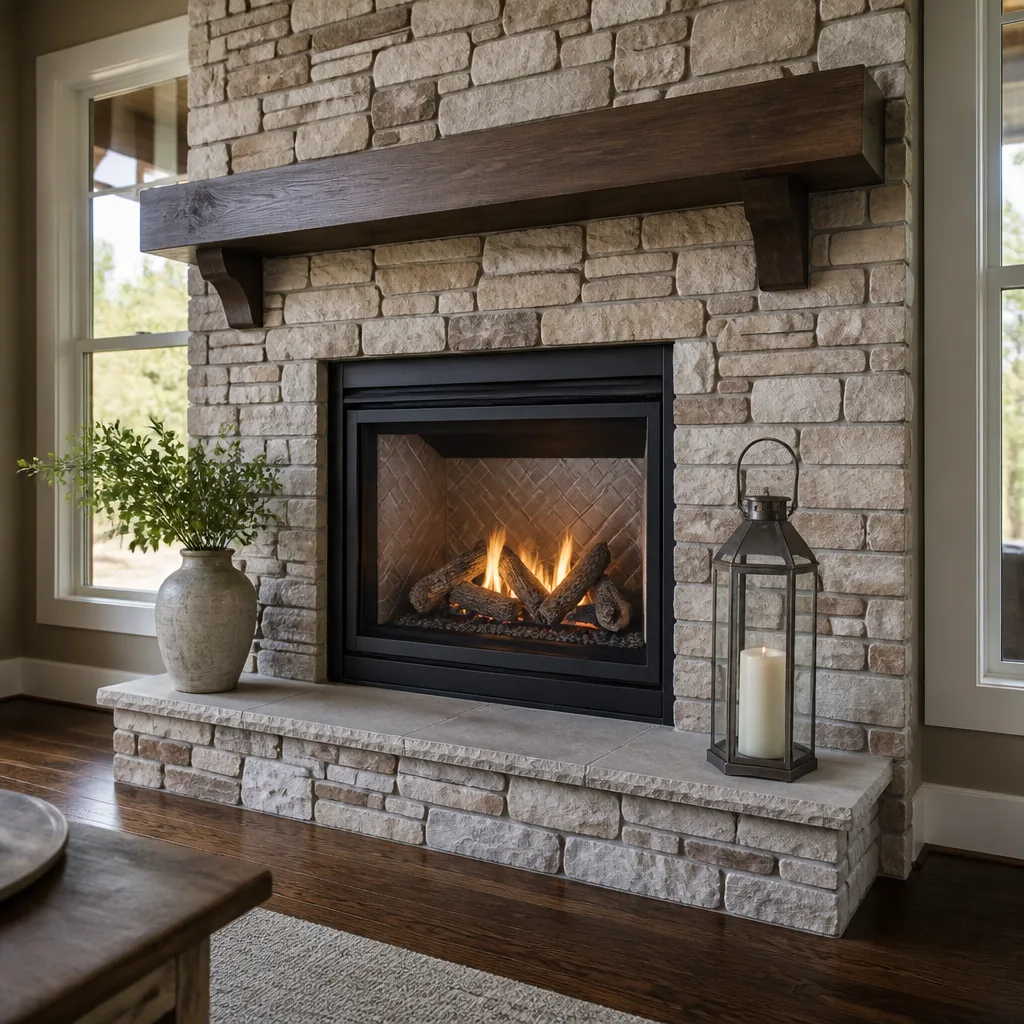 Gas fireplace service
Level 1 sweep and inspection to the NFPA 211 annual standard - flue, crown, cap, and flashing checked and photographed
Chimney sweep logs do not sweep chimneys. They loosen some creosote - which then falls where a brush and vacuum still have to collect it.
DIY vs Professional Chimney Cleaning: The Salt Lake City Homeowner’s Decision Guide
You can buy the same brush a professional chimney sweep uses for about the price of a decent dinner out. That’s the part nobody tells you, and it’s why the DIY-versus-pro debate gets framed wrong so often. The brushing is the easy part. What you can’t buy at a hardware store is the diagnostic eye that comes with a trained sweep: the ability to recognize third-degree glazed creosote on sight, to read whether a flue liner is still structurally sound, or to know when a draft measurement signals a code-level problem. This guide walks through what a capable Salt Lake City homeowner can safely handle, what genuinely requires professional judgment, and how to decide which side of that line your chimney sits on.
Quick Answer
For most Salt Lake City homeowners, professional chimney cleaning is the safer choice because a proper sweep is a diagnostic appointment disguised as a cleaning. A mechanically competent homeowner can remove surface soot and keep the firebox tidy, but only a trained technician can evaluate creosote stage, verify liner integrity, and measure draft. If your chimney is a straightforward single-story masonry flue you’ve maintained closely, informed DIY is reasonable; if it’s a multi-story Wasatch Front design, a wood-and-gas combination, or a flue you haven’t inspected in years, a professional sweep is the right call.
Styles & brands we work with
- Sweep & inspection
- Caps & crowns
- Flue relining
- Masonry repair
- Gas fireplace service
Table of Contents
- The Capability Map: What Homeowners Can Safely Do
- Why Salt Lake City Chimneys Are Riskier Than Average
- What a DIY Chimney Cleaning Kit Doesn’t Include
- Creosote Stages: The Diagnostic Skill You Can’t Buy
- The Insurance and Liability Argument
- The Hybrid Model: DIY Between Professional Visits
- A Step-by-Step Self-Assessment Before You Decide
- How Costs Compare in the Salt Lake City Market
The Capability Map: What Homeowners Can Safely Do
A mechanically competent homeowner can handle more than they think, and less than they assume. The line isn’t about skill. It’s about whether a mistake announces itself or hides. Soot on a hearth is obvious. A hairline crack in a clay tile behind a smoke chamber is invisible until it has been feeding moisture into your chimney for a couple of winters.
Here’s a practical map of what sits on each side of that line.
Safe for a careful homeowner
- Removing ash from the firebox between burns, once the ash has fully cooled.
- Clearing the firebox of leftover debris and inspecting the damper for obvious obstruction.
- Checking that the cap is still on and visually intact from the ground.
- Watching for smoke rollback or changes in how the fire drafts.
- Keeping the area around the hearth clear and combustible material well back.
- Looking up the flue with a flashlight for obvious blockages near the throat.
Requires professional judgment
- Deciding whether creosote buildup is at a stage that needs more than brushing.
- Assessing whether the flue liner has cracked, spalled, or lost its bond.
- Measuring draft and interpreting what the reading means for your system.
- Inspecting the smoke chamber, smoke shelf, and crown for structural problems.
- Evaluating a gas insert tied into a wood-burning fireplace, where the venting rules differ.
- Determining whether a chimney fire has already happened and caused hidden damage.
If your list of unknowns is longer than your list of knowns, that’s the signal. A chimney sweep is not just a cleaning; it’s a chance to have someone with trained eyes tell you what your system actually looks like inside.
Why Salt Lake City Chimneys Are Riskier Than Average
Salt Lake City isn’t a hard place to own a chimney because of any single dramatic factor. It’s the combination that raises the stakes. Homes along the Wasatch Front were built across a long span of decades, with designs that grew more complex as the foothill neighborhoods filled in, and our winters stress masonry in ways a mild climate never will.
Multi-story Wasatch Front home designs
Walk through neighborhoods like the Avenues, Federal Heights, or the upper benches and you’ll see a lot of chimneys that run tall, sometimes two stories or more above the firebox, sometimes with an offset or a jog in the flue. Tall flues with bends are harder to brush evenly from the top down, and harder still to inspect without a camera. A homeowner on a stepladder with a brush can reach the top of the stack; they can’t reliably see the offset below it.
Gas insert plus wood fireplace combinations
Plenty of Salt Lake City homes have had a gas insert set into an original masonry fireplace, or a wood stove tied into a flue that was designed for something else. These hybrid setups are common and legitimate, but the venting requirements are specific, and a homeowner brushing the flue without understanding which appliance vents where can miss a problem that a trained technician would catch in the first five minutes. Inspections as a standalone service exist precisely because these setups deserve a real look, not a quick sweep and a nod.
Freeze-damaged liners that look intact
Salt Lake City winters swing hard between freeze and thaw, and masonry absorbs moisture that expands when it freezes. Clay tile liners can crack or spall from that cycle while looking perfectly fine from the firebox. You’ll see staining on the exterior, or a bit of crumbling at the crown, but the damage inside the flue is the part that matters for fire safety. A camera inspection is the only reliable way to know. This is where professional judgment earns its keep: a liner that looks intact from below can be a genuine hazard from above.
What a DIY Chimney Cleaning Kit Doesn’t Include
Chimney cleaning kits sold for homeowner use are not junk. A decent brush, a set of rods, and a shop vacuum with a fine filter will remove loose soot from a straightforward flue. What the kit doesn’t include is the three things that actually decide whether your chimney is safe.
- A creosote diagnostic eye. The difference between stage-one soot and stage-three glazed creosote is not something you can gauge from a photo or a description. Glazed creosote looks like a hard, shiny shell bonded to the flue wall. It doesn’t brush off. It requires chemical treatment or, in serious cases, liner restoration or replacement. A homeowner brushing past it may not recognize what they’re looking at.
- Draft measurement tools. Draft tells you whether your chimney is pulling combustion gases up and out the way it should. A weak or reversed draft can push carbon monoxide back into the living space. You can’t measure draft with a flashlight and a brush, and you can’t interpret a number without training and a baseline for your system.
- A camera for liner inspection. The inside of a flue is the part you cannot see from either end without a camera on a rod. Cracks, gaps at the tile joints, and separated liner sections all hide in there. An inspection service that includes a camera and a photo report is what lets you see what the technician sees, rather than taking it on faith.
There’s a fourth thing missing, and it’s less tangible: the pattern recognition that comes from seeing a lot of chimneys. Our technicians have up to 14 years of experience, and in that time the ordinary-looking flues that turned out to have a real problem outnumber the dramatic ones. The value of a professional sweep is that someone has seen enough to know when something is off.
Creosote Stages: The Diagnostic Skill You Can’t Buy
Creosote is the residue left behind when wood smoke cools on its way up the flue. It builds in recognizable stages, and the stage determines what kind of work your chimney needs.
- Stage one: Soot and light flaky deposits. This is what a brush is designed to remove, and it’s why regular brushing keeps a well-run chimney in good shape.
- Stage two: Crusty, brittle deposits that have bonded more firmly to the flue wall. Brushable, but it takes proper technique and sometimes a second pass.
- Stage three: Glazed creosote, a hard shiny layer fused to the flue. It doesn’t brush off. It’s the stage most associated with chimney fires because it’s highly combustible and it concentrates heat. Removal requires chemical treatment or professional liner work, and sometimes HeatShield resurfacing is the right answer when the flue itself has been compromised.
Here’s the point that gets lost in the DIY debate: how often you need to sweep depends on how you burn, not on a calendar. A homeowner burning well-seasoned wood in a hot, efficient fire builds creosote slowly. A homeowner burning green wood or damping the fire down to stretch the burn builds it fast. That’s why we tell Salt Lake City homeowners to treat the sweep schedule as a response to their burning habits and their inspection results, not a fixed rule. If you’ve been burning a lot of softwood or unseasoned wood, the interval shortens. If you’ve had a chimney fire, even a small one you put out yourself, the flue needs a professional inspection before you burn again, because the damage is often invisible.
The Insurance and Liability Argument
This is the part of the DIY conversation that rarely gets a straight answer. Fire insurance claims involving chimneys can raise questions about maintenance, and a homeowner who has been doing their own sweeping has no documentation trail to point to. That doesn’t mean a claim will be denied. It means that when an adjuster asks for proof of maintenance, a professional sweep record, an inspection report, and a photo set are the kind of evidence that answers the question cleanly.
The more practical concern is what happens after the fact. If a chimney fire causes damage and an investigation traces it to a creosote buildup the homeowner didn’t know was there, the question becomes whether reasonable maintenance was performed. A professional sweep record is that proof. A kit in the garage is not.
There’s also the resale angle. Salt Lake City has a steady market for older homes, and buyers increasingly ask for a chimney inspection before closing. A documented history of professional inspection and sweeping is a cleaner position at the negotiating table than an inspection that turns up problems nobody has looked at in years. Our Salt Lake City Chimney Sweep team performs inspections as a standalone service precisely for this reason: an honest baseline on the system’s condition is worth having on record, whether or not you’re selling.
The Hybrid Model: DIY Between Professional Visits
This is the approach we recommend to most homeowners, and it’s the one that reduces cost without taking on diagnostic risk. You handle the routine maintenance, and you bring in a professional for the judgment calls.
What the hybrid model looks like in practice:
- Ash management stays with you. Empty the firebox when the ash has fully cooled, and keep the hearth clear. This is routine housekeeping, not chimney work.
- Burn dry, seasoned wood. Wood with high moisture content is the single biggest driver of creosote buildup. Buying seasoned wood and storing it covered does more for your chimney than any brush.
- Don’t smolder the fire. Damping a fire down to stretch the burn creates the cool, slow smoke that deposits creosote fastest. A hot fire burns cleaner.
- Watch for changes. Smoke rollback, a weaker draft, a smell in the room, or staining on the exterior are all reasons to book an inspection rather than a cleaning.
- Book the sweep on a real interval. For a working wood-burning fireplace, an annual inspection is the standard starting point. The sweep frequency then follows what the inspection finds.
Between visits, the proactive move that pays off most is capping and sealing the top of the chimney. Water intrusion is one of the most common causes of damage we see in Salt Lake City, and it’s the reason chimney cap & crown work is a core part of what a full-system specialist does rather than an afterthought. A well-fitted cap keeps rain, snow, and animals out, and a sound crown keeps water from working into the masonry around the flue.
A Step-by-Step Self-Assessment Before You Decide
Run through these questions before you decide whether to buy the kit or book the sweep. The more “yes” answers you get, the stronger the case for a professional.
- Is your chimney taller than one story above the firebox? Tall flues with offsets are hard to brush evenly and hard to inspect without a camera.
- Do you have a gas insert in a wood-burning fireplace, or more than one appliance on the same chimney? These setups need a professional assessment of the venting.
- Has it been more than a year since the chimney was inspected? Inspection is the starting point. A sweep without an inspection is cleaning blind.
- Have you had any chimney fire, even a small one? Any fire event means the flue needs a professional inspection before the next burn.
- Do you see staining, crumbling, or white mineral deposits on the exterior masonry? These suggest moisture damage or a compromised liner.
- Are you buying or selling the home? A documented inspection gives you a clean position either way.
- Does your fire smoke back into the room, or smell off when it’s not burning? This is a draft or blockage signal that deserves a measurement, not a guess.
If you answered yes to two or more, book a professional inspection. If you answered no to all seven and your flue is a simple single-story run you’ve kept up with, a careful DIY brush between professional inspections is a reasonable choice, as long as you go in knowing what you can’t see. And on any of these questions, a conversation costs you nothing. Call (866) 947-9124. We answer 24/7. Fast dispatch from 7am to 7pm, Sunday through Friday.
How Costs Compare in the Salt Lake City Market
The honest comparison isn’t brush versus sweep on price. It’s the cost of a brush and a Saturday versus the cost of a professional sweep that also functions as an inspection, plus the cost of finding out late that something needed attention. A DIY kit runs modest and reusable, and it gets you soot removal. A professional sweep gets you soot removal plus the three diagnostic elements a kit can’t supply.
Where the math changes is on the back end. If a homeowner brushes past glazed creosote for a couple of seasons, the eventual repair is liner restoration or replacement, and that’s a much bigger number than a sweep. A repair-first approach with a professional-grade resurfacing system like HeatShield can restore a deteriorating flue without full liner replacement in many cases, which is a meaningful savings over the alternative. DuraFlex and Olympia Chimney flexible stainless liners are the other professional-grade path when resurfacing isn’t the right fit. None of that is DIY territory, and none of it is something you want to discover after a chimney fire.
For the routine work, the best cost lever is frequency. Sweeping on the right interval, capping the chimney, and burning dry wood all keep a chimney out of the expensive category. Pricing is per job by written estimate, so the number that matters is the one you agree to before work starts. Our written estimate sets the final price, and the estimate itself is free.
Common Mistakes to Avoid
- Deciding the flue is clean because you can’t see the soot. Two sentences. Soot on the flue wall above the smoke chamber is out of sight from the firebox, and so is glazed creosote. A camera is the only way to know what’s above your sight line.
- Brushing without first checking for an obstruction. A bird’s nest, a fallen tile, or a collapsed liner section can turn a routine brush into a wedged rod and a damaged flue. Check before you brush, and if you can’t check, don’t brush.
- Assuming a gas insert means the flue needs no attention. Gas inserts still vent, and a wood-burning fireplace that’s been converted still has a flue that can collect debris and moisture. The venting rules for a converted fireplace are specific, and a professional assessment settles the question.
- Ignoring water staining on the exterior. White mineral deposits or dark staining on the masonry around the flue often trace back to a failed crown or a missing or damaged cap. Left alone, that moisture works into the masonry and eventually into the liner, which is how a flue that looks fine ends up structurally compromised. Capping and crown work are the fix, and they’re cheaper than the repair they prevent.
- Skipping the inspection because the sweep came back clean. A clean sweep means the flue is free of creosote, not that the liner is sound or that the crown is intact. Inspection and sweeping are different services, and a full-system specialist treats them that way.
- Burning unseasoned wood to save money. Wet wood is the fastest route to creosote buildup, and the savings on the wood get eaten by the extra sweeping and the eventual liner work. Seasoned wood burned hot is cheaper in the long run.
- Treating a small chimney fire as a non-event. A chimney fire that burns itself out can still crack tile, separate liner joints, or damage the smoke chamber. If there’s been a fire, book an inspection before the next burn. That’s not a scare tactic; it’s how the damage gets found before it causes a bigger problem. If you’ve got a fireplace that’s been damaged or isn’t drawing right, that often means fireplace repair as well as a flue inspection, and one specialist can handle both.
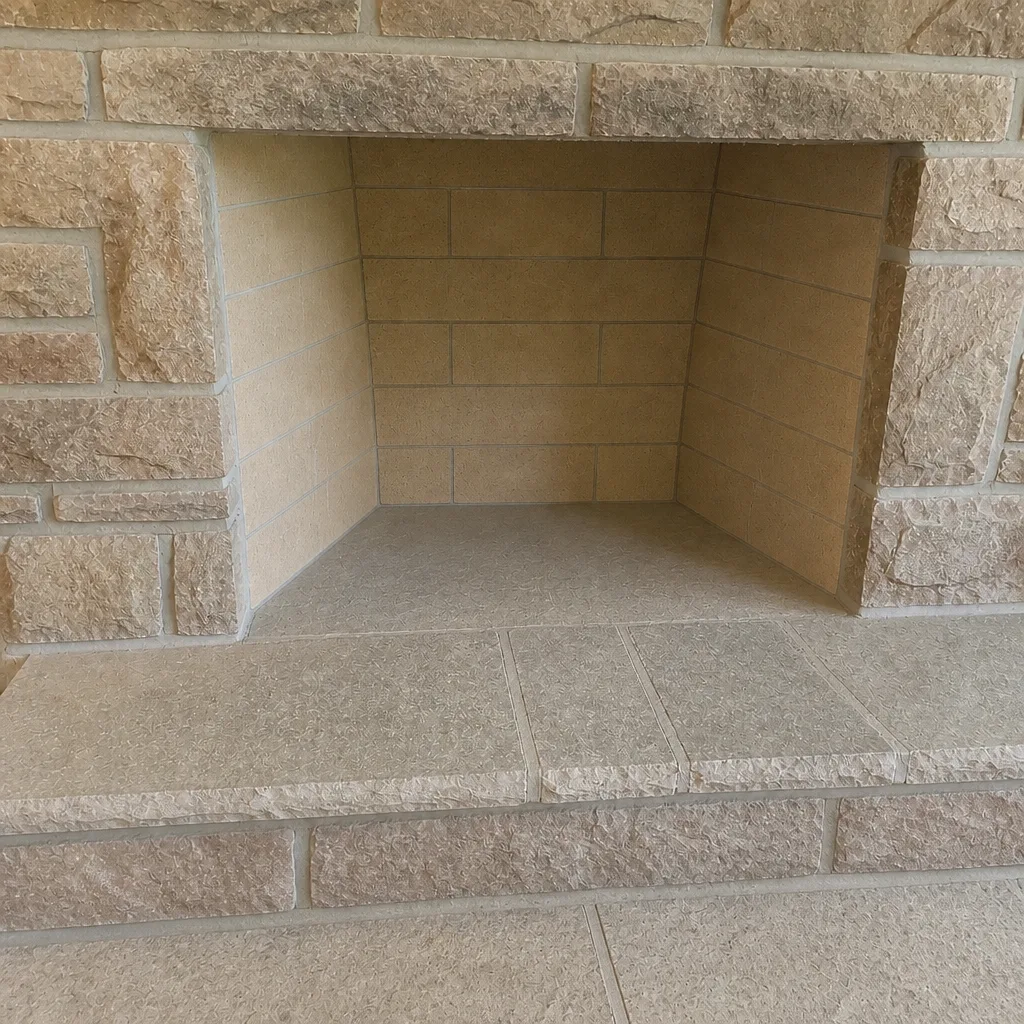
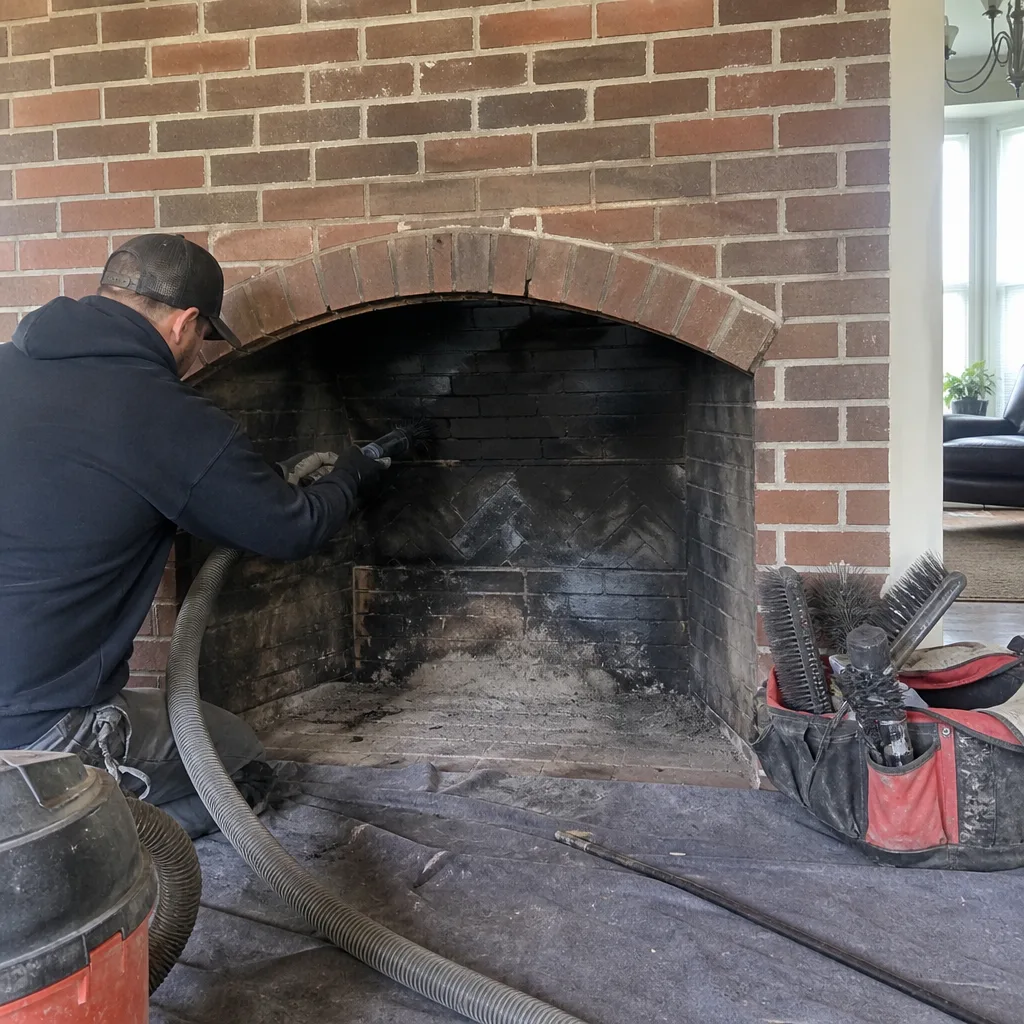
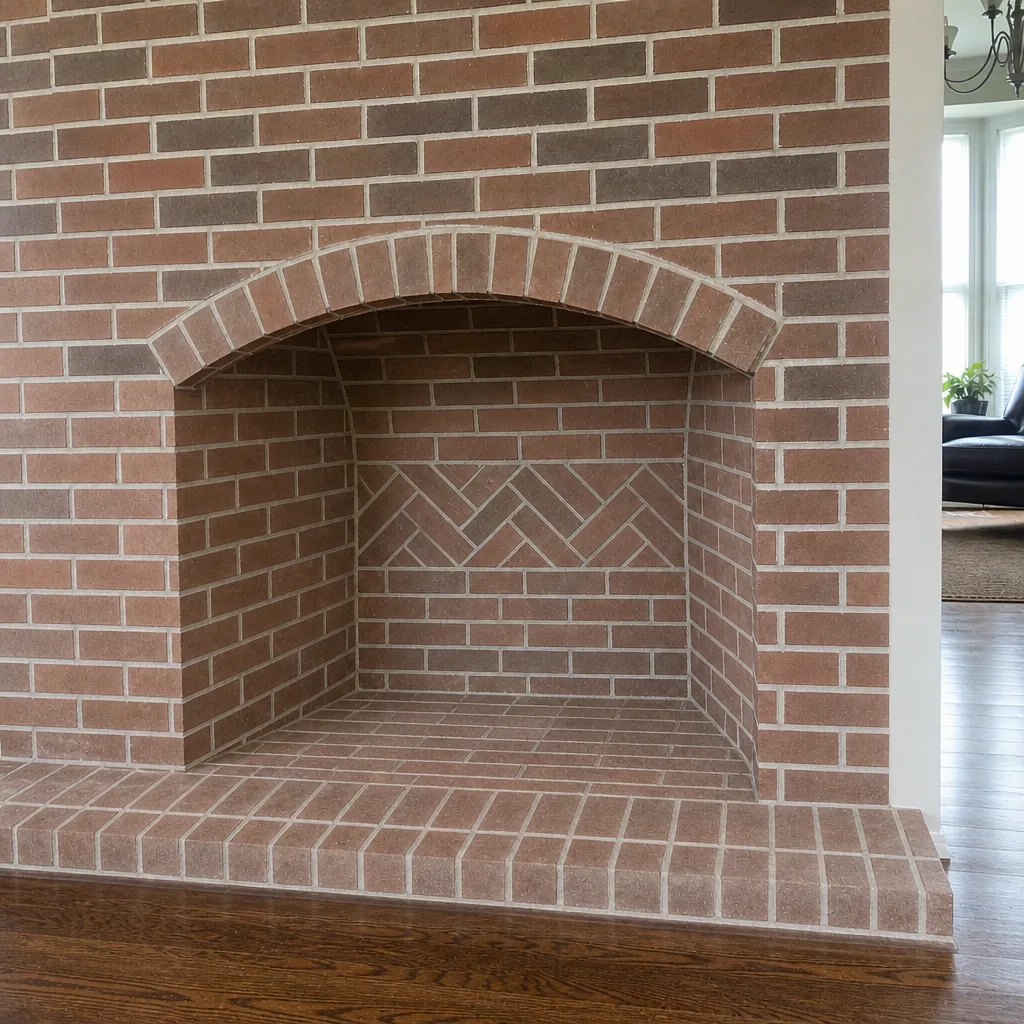
See the difference
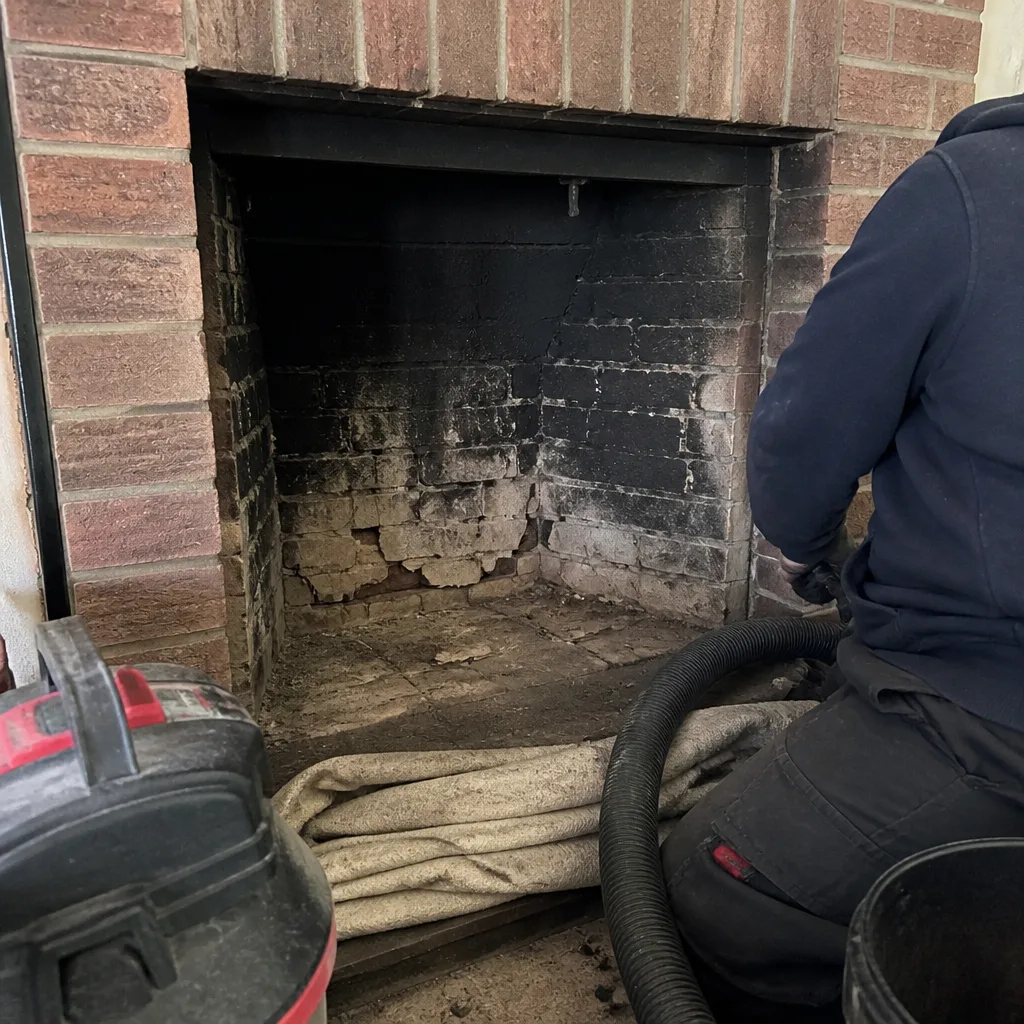 Before
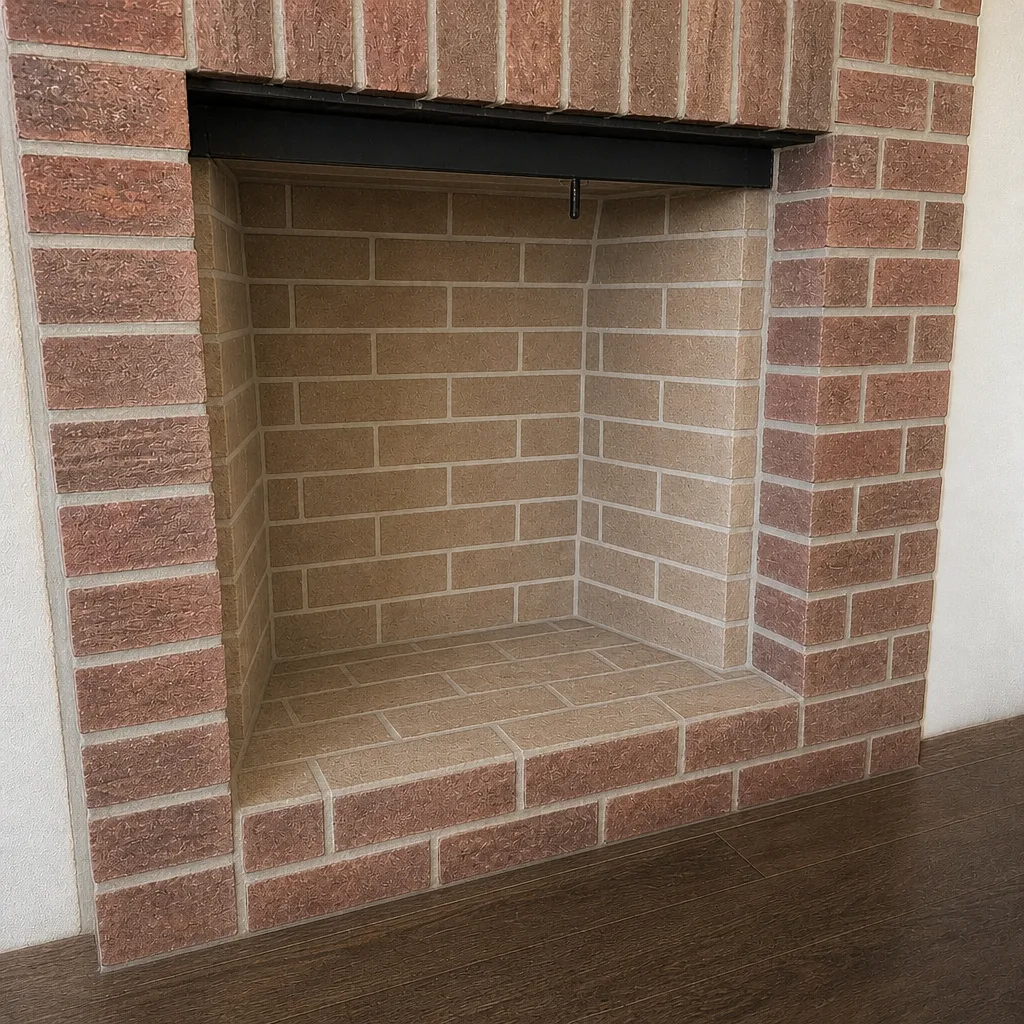 After
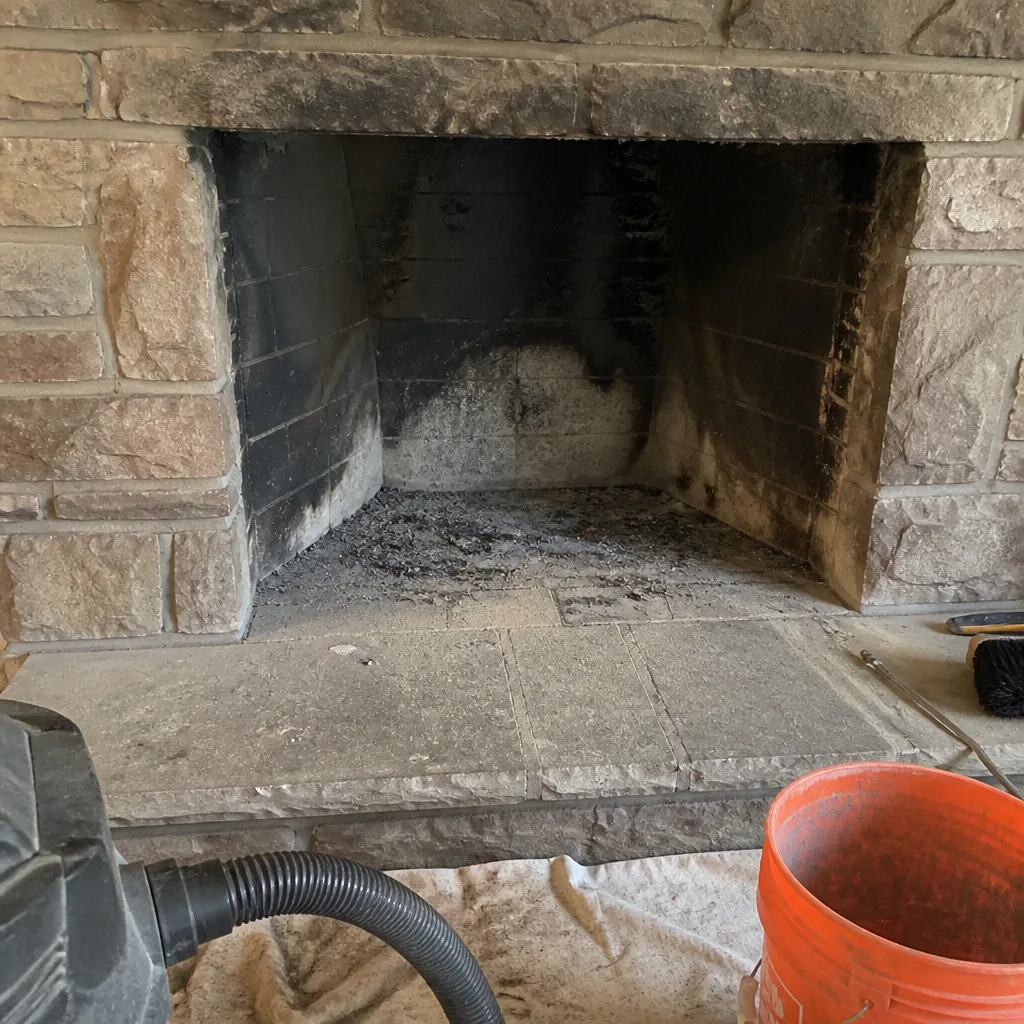 Before
 After
 Before
 After
When to Call a Professional
Any of the following is reason enough to book a professional rather than reaching for the kit. You’ve had a chimney fire, even a small one. You see staining, crumbling, or white mineral deposits on the exterior masonry. Your fire smokes back into the room, or the fireplace smells off when it’s not burning. You have a gas insert in a wood-burning fireplace, or more than one appliance venting to the same flue. Your chimney runs more than one story above the firebox, or has an offset. You haven’t had an inspection in over a year. Or you’re buying or selling a home in Salt Lake City and want a documented inspection on record. Salt Lake City Chimney Sweep offers free estimates in Salt Lake City. Call (866) 947-9124 to get one.
Frequently Asked Questions
You can remove surface soot yourself, but you can’t do the diagnostic work a professional sweep includes. A capable homeowner with a simple single-story flue can keep the firebox clean and brush light deposits between professional visits. What you can’t do is judge creosote stage, verify liner integrity, or measure draft, and those are the parts that prevent chimney fires. If your chimney is taller than one story, has an offset, or hasn’t been inspected in a year, book a professional sweep instead. Call (866) 947-9124 for a free estimate.
An annual inspection is the standard starting point, and the sweep frequency follows what the inspection finds. How often a chimney actually needs sweeping depends on how it’s burned: hot fires with seasoned wood build creosote slowly, while damped-down fires and green wood build it fast. Salt Lake City’s freeze-thaw winters also make the annual inspection worth keeping, because liner cracks from freeze damage are hard to spot from below. Call (866) 947-9124 to book an inspection.
Creosote keeps building, and at the glazed stage it’s a genuine chimney fire risk, not a hypothetical. It also hides other problems: a cracked liner, a failing crown, or moisture working into the masonry will all get worse without anyone noticing. The consequence isn’t an immediate emergency; it’s that the eventual repair is bigger and more expensive than the sweep would have been. Call (866) 947-9124 for a free estimate before the list gets longer.
It can raise questions. Fire claims involving chimneys often come down to whether reasonable maintenance was performed, and a professional sweep record, an inspection report, and a photo set answer that cleanly. A kit in the garage doesn’t. That’s not a guarantee of denial, but it’s a real reason to keep a documented maintenance history on a wood-burning chimney. Call (866) 947-9124 to get an inspection on record.
The sweep itself, plus the diagnostic work: creosote staging, a camera inspection of the flue, draft measurement, and an assessment of the crown, cap, and smoke chamber. A professional sweep also produces a photo report you can see for yourself, so nothing is recommended without camera evidence. If you want to know what your chimney actually looks like inside, that’s what a professional sweep gives you. Call (866) 947-9124 for a free estimate.
You need a new liner when there’s evidence the existing one has failed: cracks, separated joints, spalling, or damage from a chimney fire. That’s a judgment call that should be backed by camera footage you can look at yourself, not a verbal recommendation. In many cases a repair-first approach using HeatShield resurfacing can restore a deteriorating flue without a full liner replacement, and when replacement is the right answer, professional-grade systems like DuraFlex are built for the job. Ask to see the camera evidence before you agree to anything. Call (866) 947-9124 for an inspection.
The Bottom Line
DIY chimney cleaning isn’t dangerous because homeowners can’t hold a brush. It’s risky because the brushing is the simple part, and the diagnostic judgment during a professional sweep is what actually prevents chimney fires. In Salt Lake City, with its tall Wasatch Front flues, common wood-and-gas combinations, and freeze-thaw winters that crack liners invisibly, that judgment matters more than average. A capable homeowner can manage ash, burn dry wood, and keep the hearth clear between visits. Anything that requires seeing inside the flue, staging creosote, or measuring draft belongs with a trained technician. Inspect before you repair, and let the camera evidence lead the decision.
If you’re ready to know what your chimney actually looks like inside, call (866) 947-9124 for a free estimate. We answer 24/7. Fast dispatch from 7am to 7pm, Sunday through Friday. Salt Lake City Chimney Sweep handles the whole system: sweeping, inspection, cap and crown work, fireplace repair, and chimney repair, with professional-grade materials from DuraFlex, HeatShield, Gelco, Olympia Chimney, Famco, and Copperfield. One call covers the whole chimney.
Written by the team at Salt Lake City Chimney Sweep.