
Last updated November 25, 2026
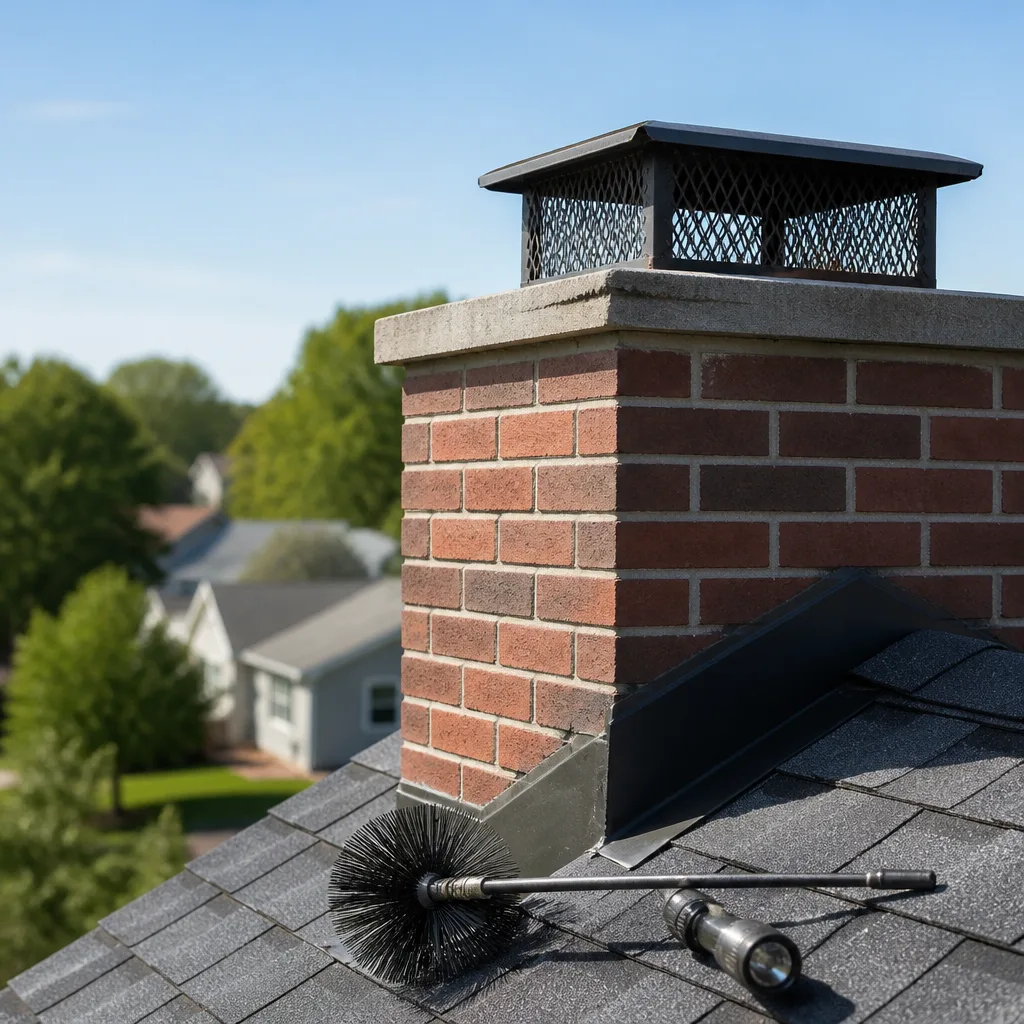 Sweep & inspection
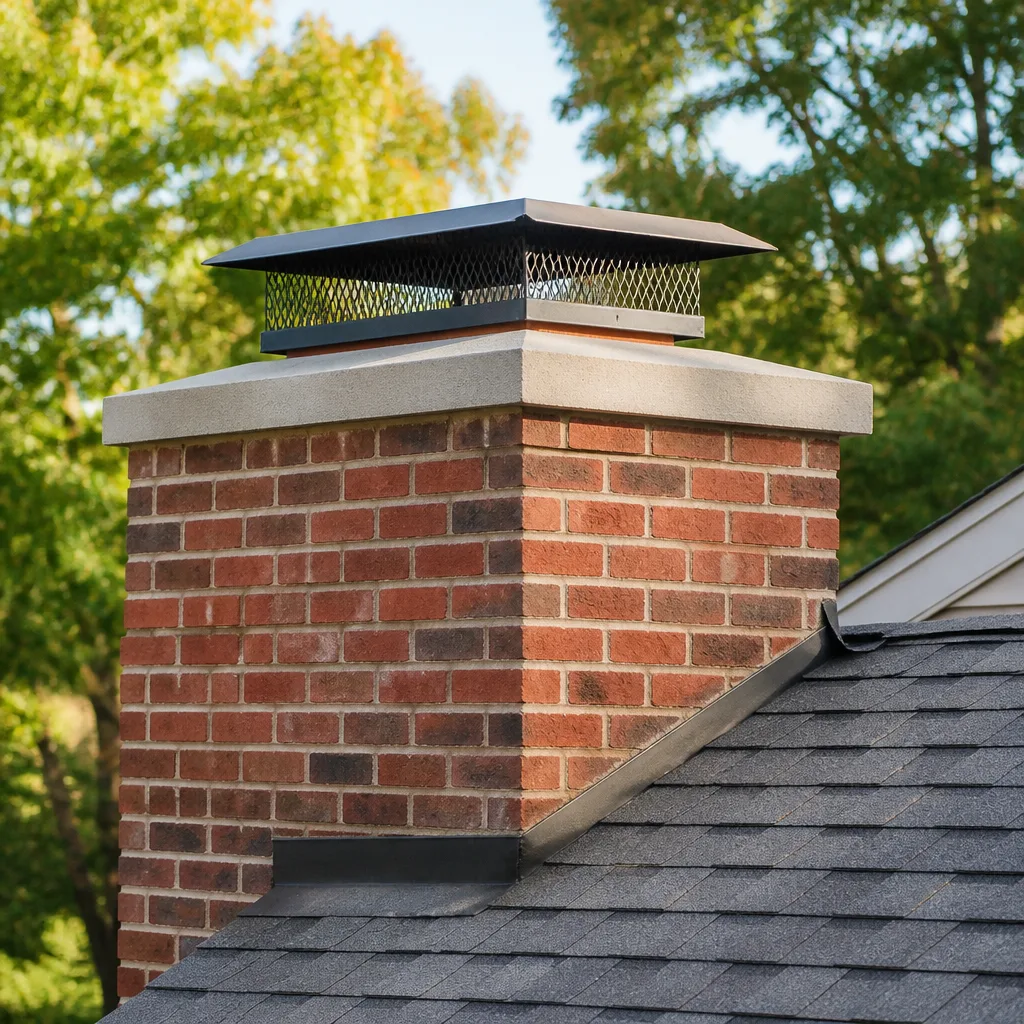 Caps & crowns
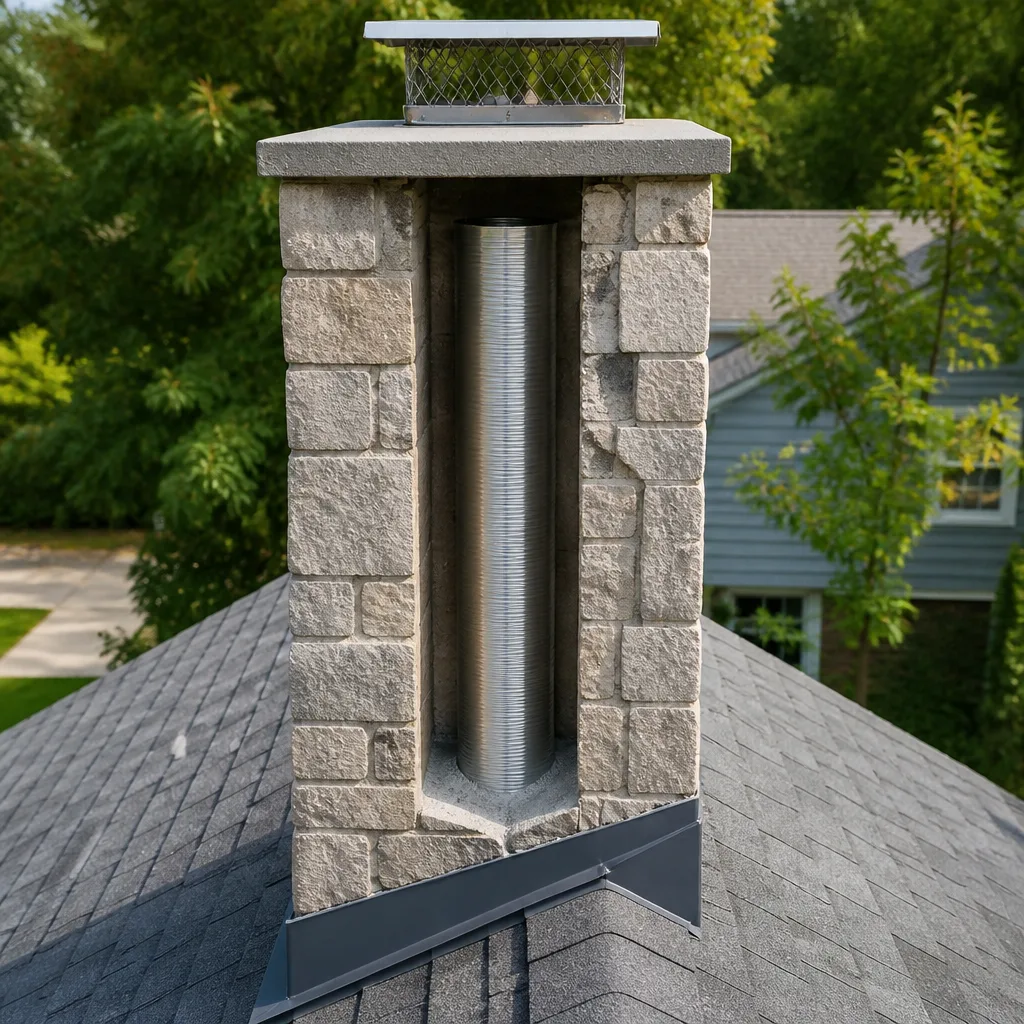 Flue relining
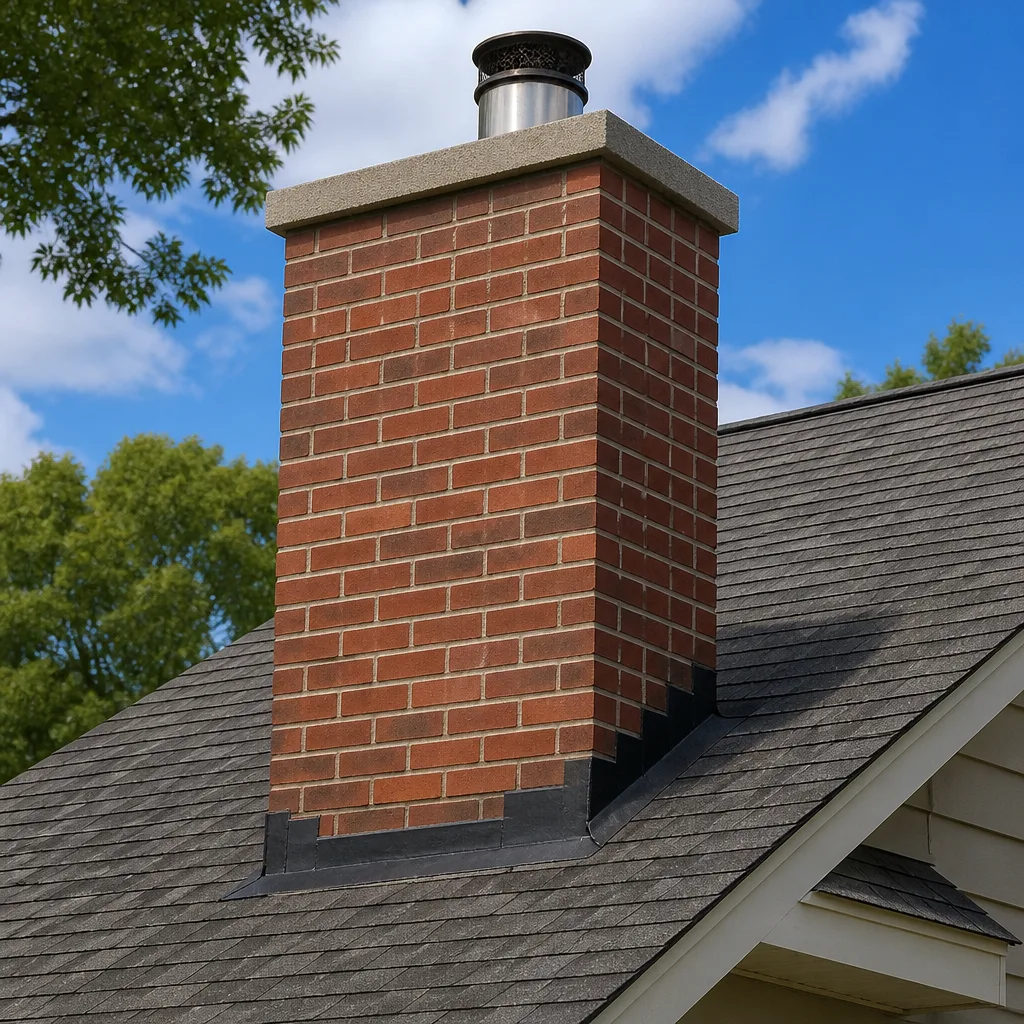 Masonry repair
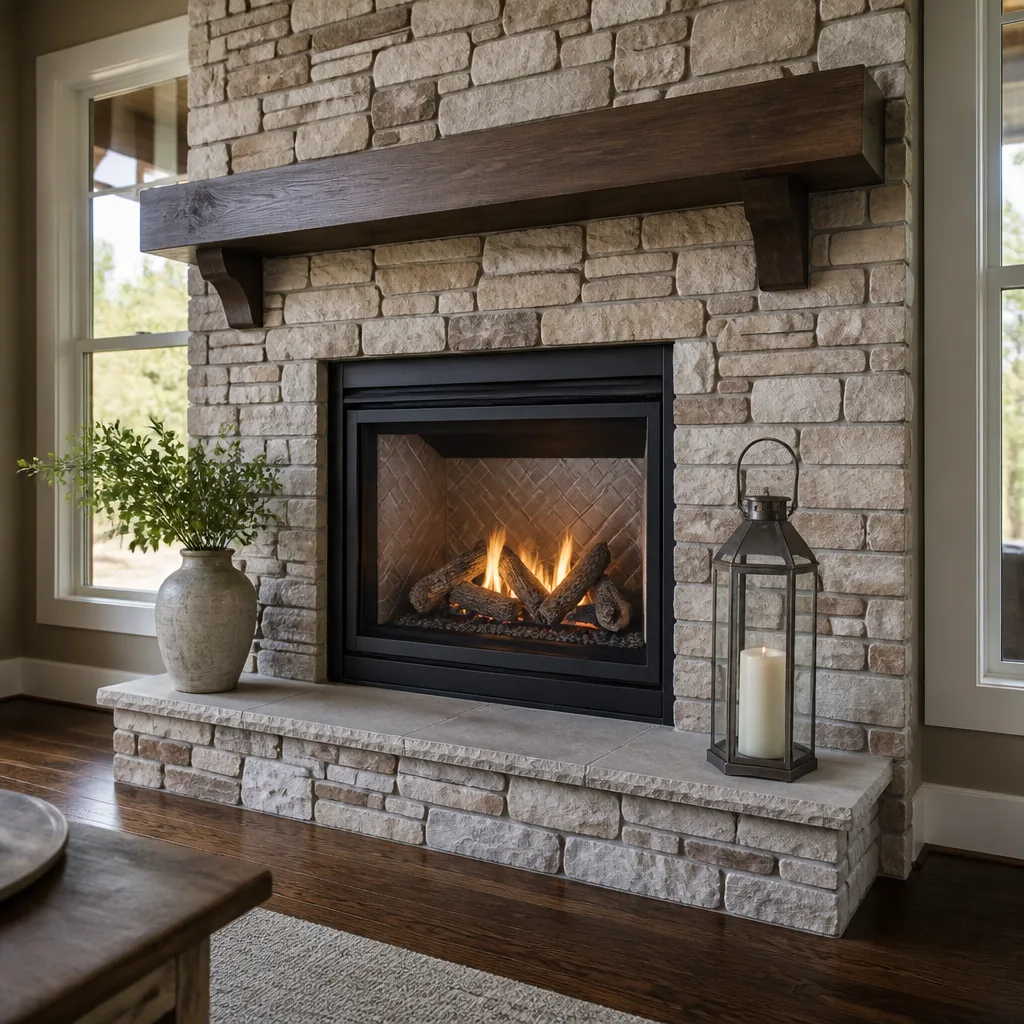 Gas fireplace service
Level 1 sweep and inspection to the NFPA 211 annual standard - flue, crown, cap, and flashing checked and photographed
Chimney sweep logs do not sweep chimneys. They loosen some creosote - which then falls where a brush and vacuum still have to collect it.
The Complete Guide to Chimney Cleaning in Salt Lake City
Most chimney cleaning advice you’ll find online was written for a house at sea level burning dry hardwood in mild winter weather. Salt Lake City isn’t that house. At 4,226 feet, the thinner air changes how a fire draws, how completely wood burns, and how quickly creosote accumulates inside a flue. A cleaning schedule that works fine in Ohio can leave a Salt Lake City chimney under-swept by the end of a cold January. This guide explains what actually happens inside a chimney along the Wasatch Front, why freeze-thaw winters make masonry chimneys deteriorate faster here, what a real inspection looks like, and what a credible cleaning report should contain.
Quick Answer
Chimney cleaning in Salt Lake City should happen once a year for most active wood-burning fireplaces, and more often if you burn heavily or often start fires on wet wood. A professional clean removes soot and creosote, and it doubles as a structural check of a masonry chimney exposed to hard freezes and thaws. A proper job includes a camera inspection and a written photo report showing what was found.
Styles & brands we work with
- Sweep & inspection
- Caps & crowns
- Flue relining
- Masonry repair
- Gas fireplace service
Table of Contents
- Why High-Altitude Combustion Changes Your Cleaning Schedule
- How Winter Inversions and Cold Starts Build Glazed Creosote
- CSIA Inspection Levels Explained: Which One You Need
- Freeze-Thaw Winters and Masonry Chimney Wear
- Flue Sizing for Wasatch Front Homes
- What a Professional Sweep Actually Does
- What Your Post-Cleaning Report Should Contain
- What Chimney Cleaning Costs in Salt Lake City
Why High-Altitude Combustion Changes Your Cleaning Schedule
Salt Lake City sits at 4,226 feet, and the thinner air up here holds less oxygen by volume than air at sea level. That has a direct effect on a fire. Wood needs oxygen to burn cleanly, and a fire that runs slightly oxygen-starved produces more unburned material, which leaves the firebox as smoke and condenses on the cooler walls of the flue as creosote. The national cleaning guides assume a full-oxygen burn. A Salt Lake City fireplace, especially an older masonry unit with a fixed flue size, often doesn’t get one.
The practical result is that creosote accumulates faster here than a generic homestead schedule predicts. There’s a second effect too: higher altitude tends to mean a colder, drier winter air mass and faster temperature swings, so fires get started and stopped more often rather than burning continuously. Every cold start is a creosote-producing event.
What this means for you:
- Annual sweeping is the working minimum for an active wood fireplace in Salt Lake City, not a stretch goal.
- Homes where someone builds a fire most evenings during winter should treat a mid-season check as sensible.
- A flue that seems oversized for its firebox will run cooler and dirty up faster, so sizing matters as much as sweeping.
- A hot fire on dry, well-seasoned wood is the best thing you can do between cleanings.
The mountain west is a different combustion environment from the lowlands, and cleaning schedules borrowed from lowland guidance do Salt Lake City homeowners no favors.
How Winter Inversions and Cold Starts Build Glazed Creosote
The Wasatch Front gets regular winter temperature inversions, when a layer of cold air settles in the valley beneath warmer air above and traps smoke and pollutants near the ground. You can see it as a brown-gray band over the valley. Inversions change how people run their fireplaces. When the air outside is cold and still, and the house already feels cold inside, the fire gets built earlier and banked longer, and sometimes it’s restarted instead of kept going. Those frequent cold starts are exactly the conditions that accelerate glazed, third-degree creosote, the hard, tar-like deposit that a standard brush won’t remove.
Glazed creosote forms when creosote is reheated repeatedly. A fire that’s lit, allowed to smolder low, then rebuilt hot, then left to cool, gives deposits several rounds of heating. In an inversion, the outdoor air is often smoky already, so people sometimes get discouraged and burn low and slow to stretch a fire. That’s the pattern that builds glaze.
What you can do:
- Build hot, bright fires with well-seasoned wood rather than long smoldering burns.
- Don’t damper a fire down to a slow trickle to make it last.
- Watch for shiny, glassy deposits on the flue wall, which a camera inspection will catch.
- Have the flue inspected each season so a glaze problem gets caught early, before it needs chemical removal.
National cleaning advice rarely mentions inversions, but in Salt Lake City they’re the single biggest driver of the more stubborn creosote we see. If deposits have gone glassy, a professional sweep can address them, sometimes with a ceramic resurfacing product like HeatShield, which restores a deteriorating flue interior without a full liner replacement.
CSIA Inspection Levels Explained: Which One You Need
The Chimney Safety Institute of America recognizes three levels of chimney inspection, and knowing which one your situation calls for keeps you from overpaying or under-checking. A Level 1 is a visual check of readily accessible parts of the chimney and firebox with basic tools. A Level 2 adds a video camera inspection of the flue interior and covers accessible parts of attics and crawlspaces. A Level 3 involves opening up parts of the structure to inspect concealed areas, and it’s typically tied to a specific problem or a real estate transaction where a hidden defect is suspected.
After a heavy Salt Lake City heating season, most homeowners need a Level 2. A full winter of inversion-driven, cold-start burning can lay down enough creosote or reveal enough liner wear that a plain visual check isn’t enough. A camera tells you what the flue wall actually looks like. If you’ve had water staining, a smoky fireback, or an animal intrusion, a Level 2 is the sensible starting point.
- Routine annual check, no known problems: Level 1 with the sweep.
- End of a heavy winter, or a recent change in how the fireplace behaves: Level 2 with camera.
- Buying or selling a home: Level 2, often written into the purchase contract.
- Known hidden damage or a failed liner: Level 3, scoped to the specific area.
We do inspections as a standalone service, not only as a tacked-on upsell to a cleaning. That gives you an honest baseline whether or not you buy anything else. Many Salt Lake City homeowners find that the inspection alone tells them what they need to know and that no immediate work is required.
Freeze-Thaw Winters and Masonry Chimney Wear
A masonry chimney in Salt Lake City lives through repeated freeze-thaw cycles every winter. Moisture gets into the brick and mortar, freezes, expands, and pushes the joints apart, then thaws and refreezes. Over a handful of seasons this shows up as crumbling mortar, spalling brick faces, and a cracked crown. The cleaning visit is the natural time to catch it, because the technician is already on the roof and has the flue open. That’s why a cleaning appointment here should always include a structural look at the crown, the cap, and the masonry skin, not just the flue interior.
Salt Lake City’s dry summers and wet, freezing winters are a rougher combination than the steady damp of the Pacific Northwest, because the masonry gets a dry-out period that makes the freeze cycle hit harder when moisture returns. The crown is the first line of defense. A sound, sloped crown sheds water off the top of the chimney. A cracked crown lets water straight down into the masonry. Then there’s the cap: a proper cap keeps out rain, snow, birds, and squirrels, and it’s the most common thing a sweep-only company leaves unresolved. We install chimney cap & crown work as a core service, not a side job.
Check these on your own between visits:
- Cracked or missing mortar joints in the chimney above the roofline.
- Rust streaks or white mineral staining on the exterior brick.
- A crown with visible cracks or that sheds water toward the masonry instead of off it.
- Missing or loose cap or spark arrestor.
If you see any of these, get it looked at before the next freeze, because water intrusion is the most common cause of expensive masonry repairs down the line.
Flue Sizing for Wasatch Front Homes
A flue that’s too large for the firebox pulls too much air up the chimney and cools the smoke before it leaves, which drops creosote on the walls. A flue that’s too small chokes the fire and does the same thing. At altitude in Salt Lake City, the sizing calculation is less forgiving than at sea level, because there’s already less oxygen per cubic foot and less heat available to drive the draft. A flue sized for a sea-level fireplace can underperform on the Wasatch Front, and a fireplace that smokes back even slightly is a warning sign.
Common sizing issues we see in older Salt Lake City homes:
- A firebox that’s been opened up or rebuilt without resizing the flue.
- A gas or wood insert dropped into a masonry flue built for a different heating load.
- A flue shared or tied into an old heating system that no longer exists.
- A chimney that was originally built tall and has settled into a shorter effective run.
Proper sizing is measured, not guessed. A camera inspection with measurements, combined with the fireplace’s firebox dimensions, shows whether the flue is a good match. When it isn’t, a flexible stainless liner system like DuraFlex or an Olympia Chimney liner can bring the flue down to the right size while also giving it a durable inner surface. A professional sweep assesses flue sizing as part of the visit, because getting the size right is the fastest way to slow creosote buildup.
What a Professional Sweep Actually Does
A proper chimney sweep in Salt Lake City is a head-to-toe system check, not a quick brush. Here’s how a professional appointment usually runs, and it’s worth knowing so you can tell the difference between a thorough job and a fast one.
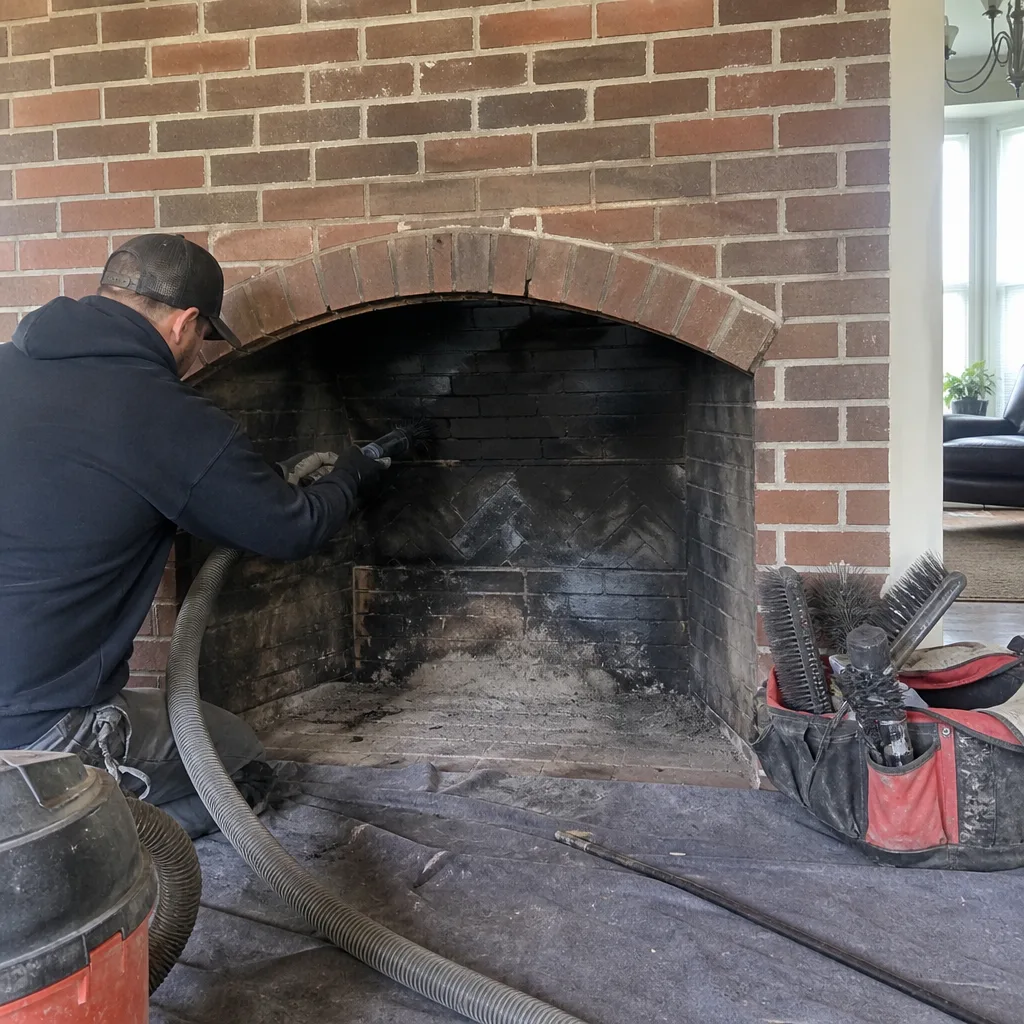
- Ground setup and floor protection: drop cloths, a sealed vacuum, and work area prep so soot stays contained.
- Firebox and smoke chamber inspection: check for cracks, gaps, and the condition of the damper and smoke shelf.
- Flue cleaning: brushes sized to the flue, top-down or bottom-up depending on access, with the vacuum running to capture dust.
- Camera inspection of the flue: a video feed down the liner to look for glazing, cracks, gaps, and offsets.
- Exterior check: crown, cap, flashing, mortar joints, and brick face from the roof.
- Report and photos: a written summary with pictures of what was found and what it means.
We book sweeps with a flat-price agreement before the work starts, and we do not do anything to your chimney without the camera evidence to show you why. Our technicians have up to 14 years of experience, and we work with professional-grade components from trade-specific brands like Copperfield, Gelco, DuraFlex, Olympia Chimney, and Famco, the same lines chimney technicians rely on nationwide.
What Your Post-Cleaning Report Should Contain
A real chimney cleaning ends with a document, not just a bill. The report is how you know what was actually done and what condition the chimney is in for the coming season. If a company can’t or won’t give you one, that tells you something about how seriously it takes the inspection side of the job.
Your report should include:
- Photos of the flue before and after cleaning, so you can see the walls for yourself.
- Creosote stage noted: first, second, or third degree, and whether glazing was found.
- Inspection level performed and the parts of the system that were checked.
- Condition of the crown, cap, flashing, and smoke chamber.
- Any recommended repairs, with photo evidence, and a clear statement of which repairs can wait and which can’t.
- Flue sizing notes if the flue doesn’t match the firebox.
Nothing should be recommended without camera evidence you can see, and a good report will say plainly when work can safely wait. If a report lists thousands of dollars of liner or masonry work with no photos and no explanation, get a second opinion. Our inspections as a standalone service give you exactly that baseline. Full-system chimney care means the sweep, the inspection, the cap and crown, the fireplace repair, and the structural work are all handled by one specialist, so nothing gets handed off to a second contractor who has never seen the system.
What Chimney Cleaning Costs in Salt Lake City
Chimney cleaning in Salt Lake City typically runs in a middle range for a mid-size western metro, with the cost driven by how accessible the flue is and how much creosote has to come out. The written estimate sets the final price, and it’s agreed before the work is booked. Here’s how the line items usually break down:
| Service | Typical Estimated Range |
|---|---|
| Standard chimney sweep | $150 – $280 |
| Level 1 inspection (with sweep) | Often included in the sweep |
| Level 2 inspection with camera | $180 – $320 |
| Glazed (third-degree) creosote removal | $300 – $600 depending on extent |
| Chimney cap installation | $180 – $400 |
| Crown repair or resurfacing | $350 – $900 |
| HeatShield liner resurfacing | Quoted per flue after inspection |
Treat these as typical estimates, not fixed prices. Access issues, a steep roof, a flue that needs a camera run from the top, and the condition of the creosote can all move the final figure. We agree the flat price before booking, give you the camera inspection and a photo report as part of the work, and stand behind the result with a satisfaction guarantee. Repairs are quoted separately with the evidence attached.
Common Mistakes to Avoid
- Waiting until the fire is smoky to book a sweep. By the time a fire smokes back, the flue has likely been under-swept for a season or more. Book the annual clean in late summer or early fall, before the inversion season starts.
- Using a general handyman for a chimney. A chimney is a combustion system, and the person working on it should be able to inspect it properly, size the flue, and read a camera feed. If they can’t show you the inside of the flue on video, they’re guessing.
- Skipping the cap. A missing or loose cap is the most common reason water gets into a Salt Lake City chimney, and it’s also how squirrels and birds get in. Fix it while you’re on the roof, not after the damage.
- Buying liner work without seeing the evidence. Any recommended repair should come with photos of the actual problem. If you’re shown a generic picture or no picture at all, ask for the real ones.
- Burning wet or unseasoned wood. In Salt Lake City’s high-altitude, cold-start winters, wet wood is the fastest way to lay down glazed creosote. Season wood before you burn it.
- Ignoring mortar and crown cracks between cleanings. Freeze-thaw damage doesn’t announce itself. A quick visual check each spring catches most of it.
- Assuming a gas fireplace doesn’t need service. A gas fireplace and its venting still need inspection and cleaning of the vent path. The flue doesn’t clean itself just because it’s gas.
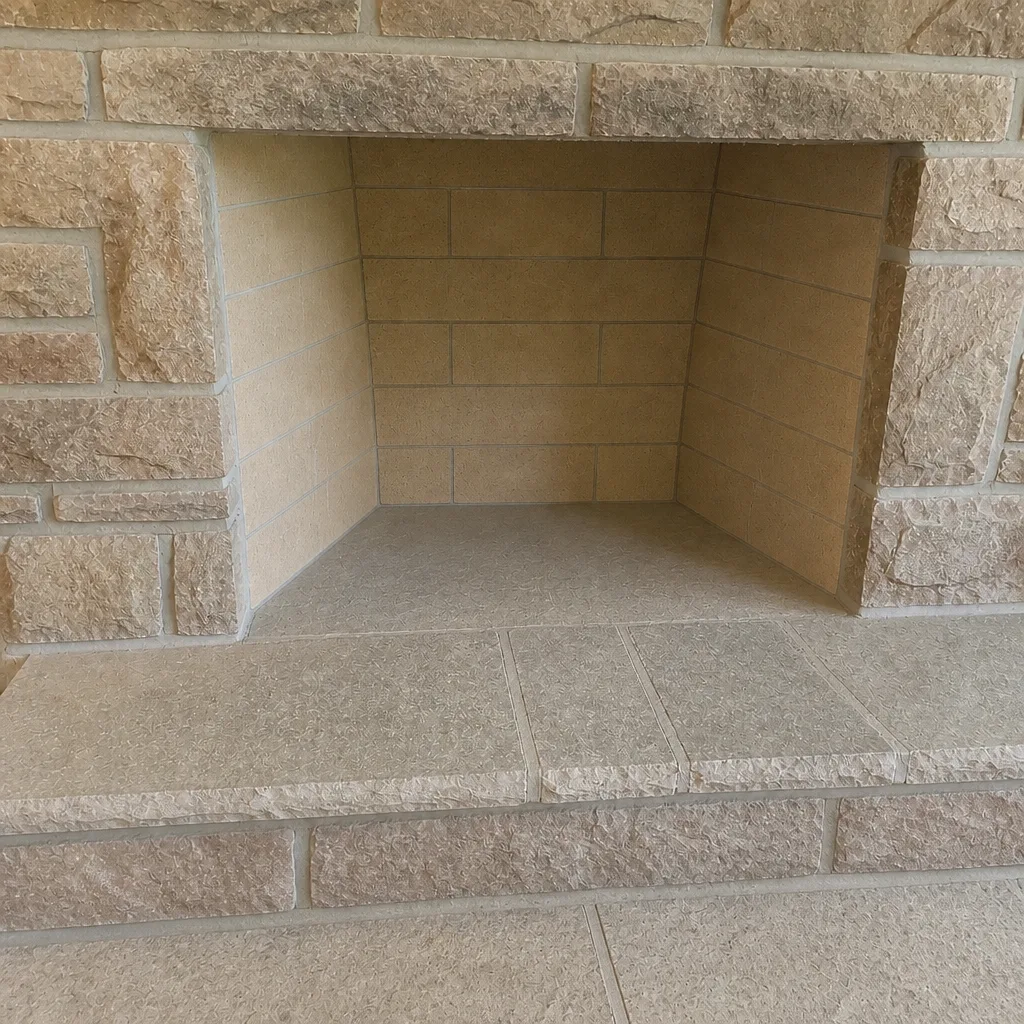
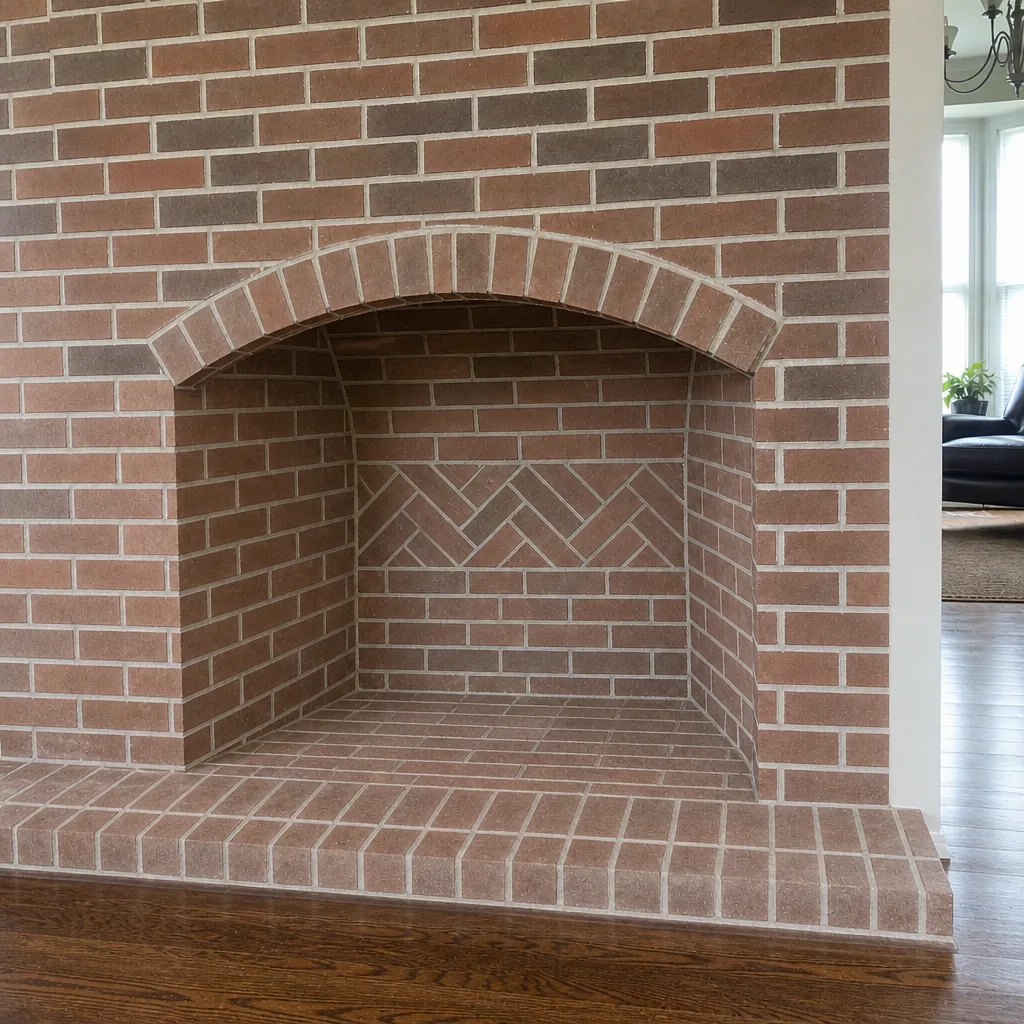
See the difference
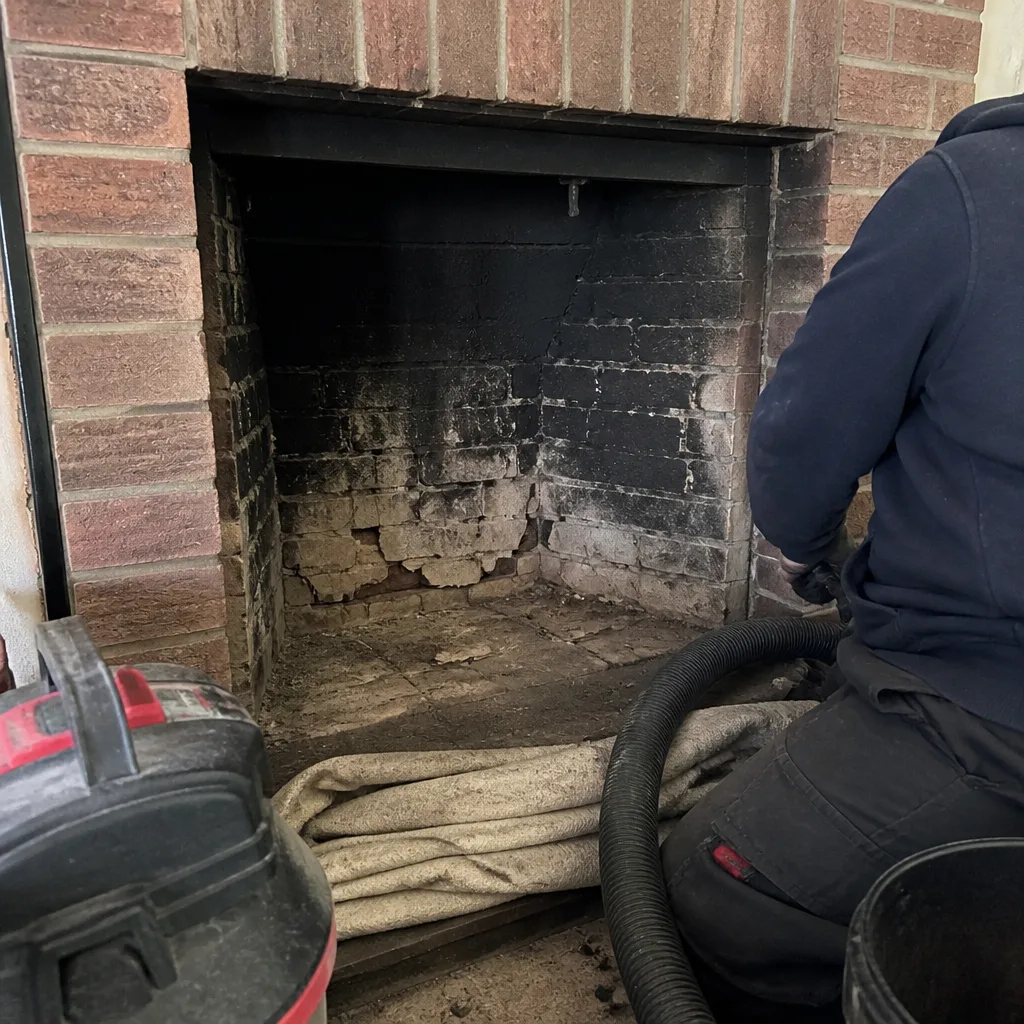 Before
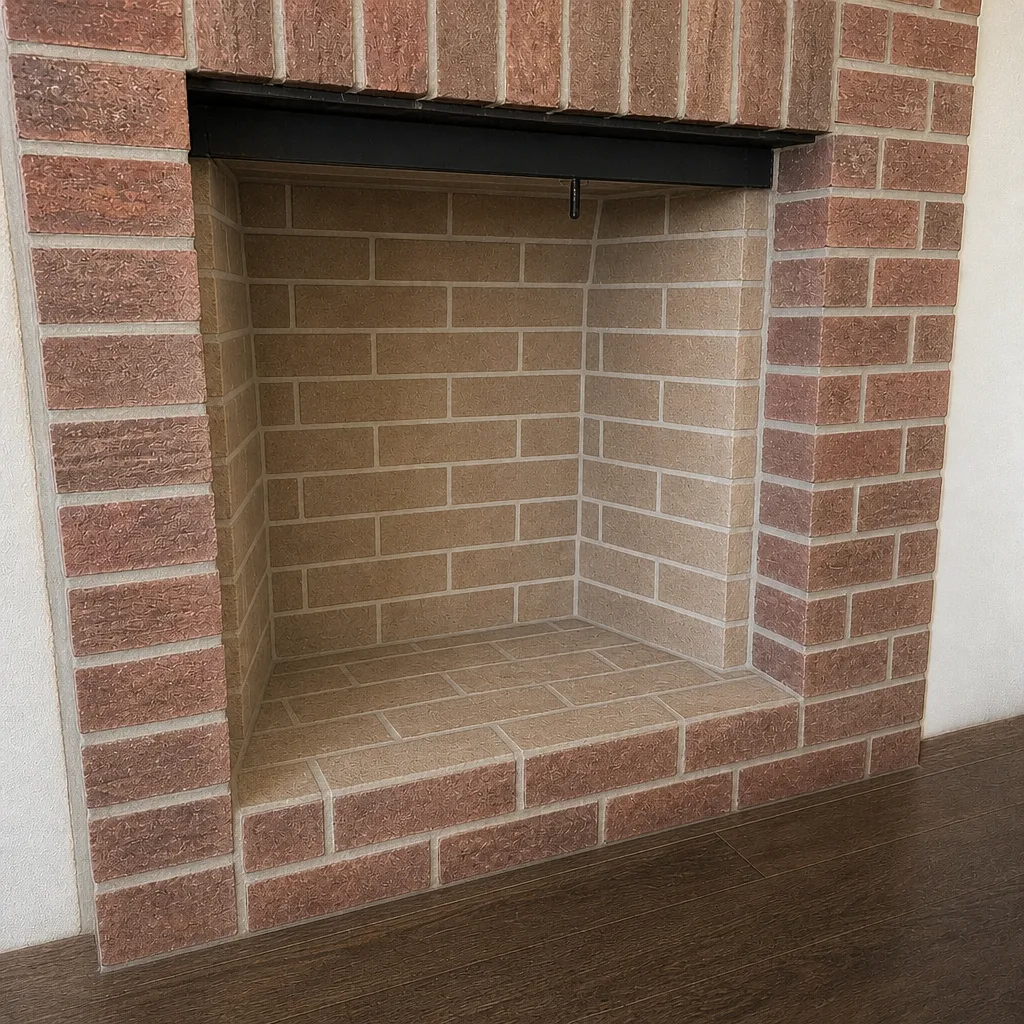 After
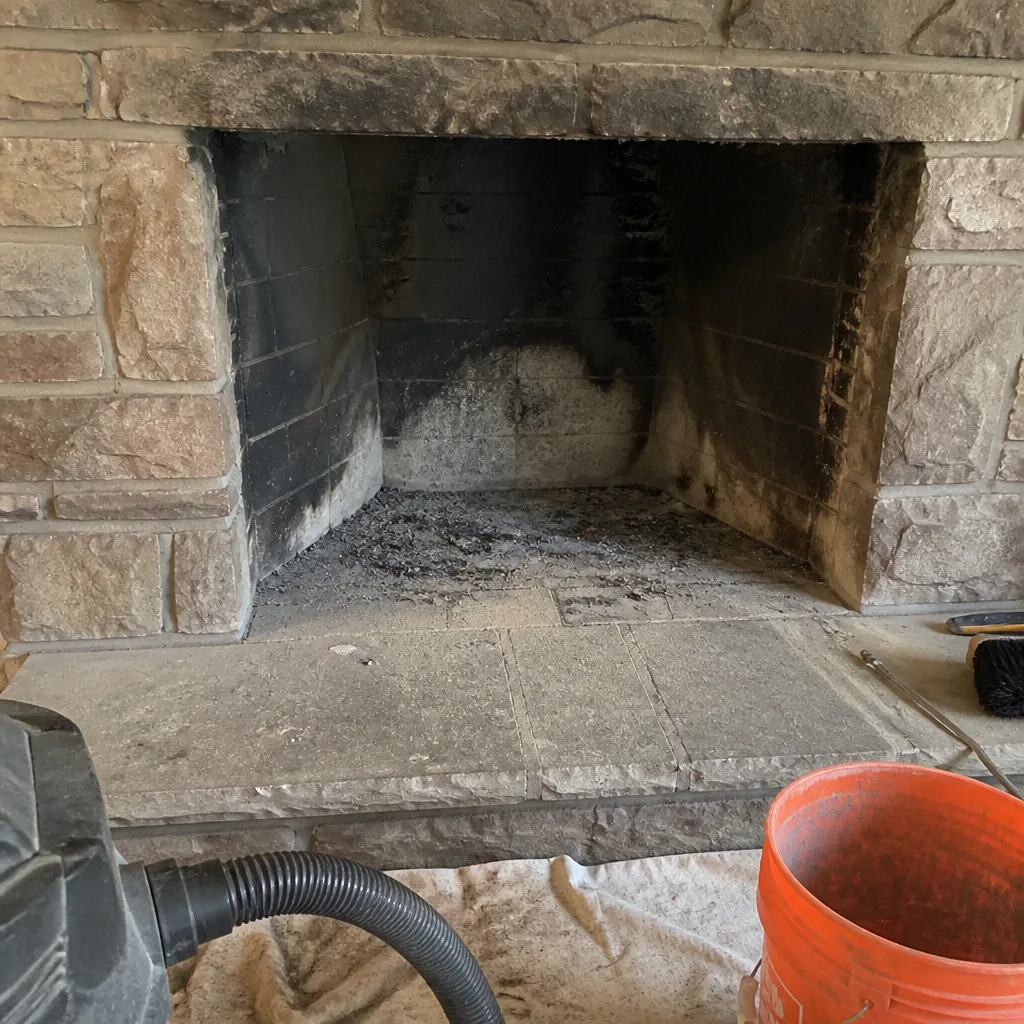 Before
 After
 Before
 After
When to Call a Professional
Call a professional chimney sweep in Salt Lake City when you can’t see the inside of your flue, when a fire smokes back or burns unevenly, or when you’ve had any water staining, animal intrusion, or a recent change in how the fireplace behaves. Book a sweep before the heating season if it’s been a year or more since the last one. Call sooner if you see glassy deposits or crumbling mortar, or if you’re buying or selling a home and need a credible inspection report. If a fire has happened inside the flue, get it checked before you light it again. Salt Lake City Chimney Sweep offers free estimates in Salt Lake City and provides full-system chimney care. Call (866) 947-9124.
Frequently Asked Questions
A standard chimney sweep in Salt Lake City typically runs about $150 – $280, with a Level 2 camera inspection around $180 – $320 and glazed creosote removal higher depending on how much has to come out. The written estimate sets the final price before any work is booked. Call (866) 947-9124 for an exact quote – estimates are free.
Once a year for most active wood-burning fireplaces, and more often if you burn heavily or often start fires on wet wood. Salt Lake City’s altitude and inversion-season burn patterns accelerate creosote buildup, so annual is the working minimum here rather than a stretch goal. Call (866) 947-9124 to book a sweep.
You don’t know until it’s been on camera. A flue can look old from the outside and still be sound, and a liner replacement is a big decision that should only follow photo evidence of actual deterioration. Some flues can be restored with HeatShield ceramic resurfacing instead of a full reline, which saves real cost. Call (866) 947-9124 for a camera inspection – estimates are free.
Soot and creosote keep building on the flue walls, and glazed creosote can ignite inside the chimney, which is a real fire hazard. A blocked or restricted flue can also push carbon monoxide back into the house instead of venting it. Skipping a season in a Salt Lake City winter also means missing a freeze-thaw crack while it’s still cheap to fix. Call (866) 947-9124 to schedule a sweep.
A Level 2 with a camera, for most Salt Lake City homes. A full winter of cold-start burning can lay down glaze or reveal liner wear that a visual-only check will miss. If you’re buying or selling a house, a Level 2 is usually what the transaction calls for. Call (866) 947-9124 to book an inspection.
The whole system. Our chimney sweep service covers cleaning and inspection, and we also install caps and crowns, do fireplace repair, and handle structural chimney repair with professional-grade materials from brands like DuraFlex, Olympia Chimney, Gelco, and Copperfield. One call covers the whole chimney. Call (866) 947-9124 for a free estimate.
The Bottom Line
Chimney cleaning in Salt Lake City is a system diagnosis shaped by 4,226 feet of elevation, inversion-season burn patterns, and cold-start fires that build creosote faster than national schedules assume. Sweep once a year, get a Level 2 camera inspection at the end of a heavy winter, and treat the cleaning visit as your structural check on the freeze-thaw wear a masonry chimney takes. Insist on a written photo report, and don’t authorize liner or masonry work without camera evidence you can see. Leave the system to a full-service specialist who handles the sweep, the inspection, the Salt Lake City Chimney Sweep full-system care, the cap, the crown, and the repair under one roof. Call (866) 947-9124 for a free estimate. We answer 24/7, and fast dispatch runs from 7am to 7pm, Sunday through Friday.
Written by the team at Salt Lake City Chimney Sweep.